Sahuayo
"I came for a hat, stayed three hours watching herons in the Ciénega, and left with the best purchase I made in all of Michoacán."
I came for a hat. That sounds like a thin premise for a detour off the highway to Guadalajara, but the man in Jacona who pointed me here had been specific — not any hat, a Sahuayo hat, he insisted, the kind ranchers from Jalisco and Colima still cross state lines to buy. The town receives you without ceremony: a central plaza with laureles casting decent afternoon shade, a cathedral that’s substantial without being showy, carnitas stands opening around nine. Then you find the talleres on the streets behind the mercado, and Sahuayo becomes something worth the drive.
The Sombreros
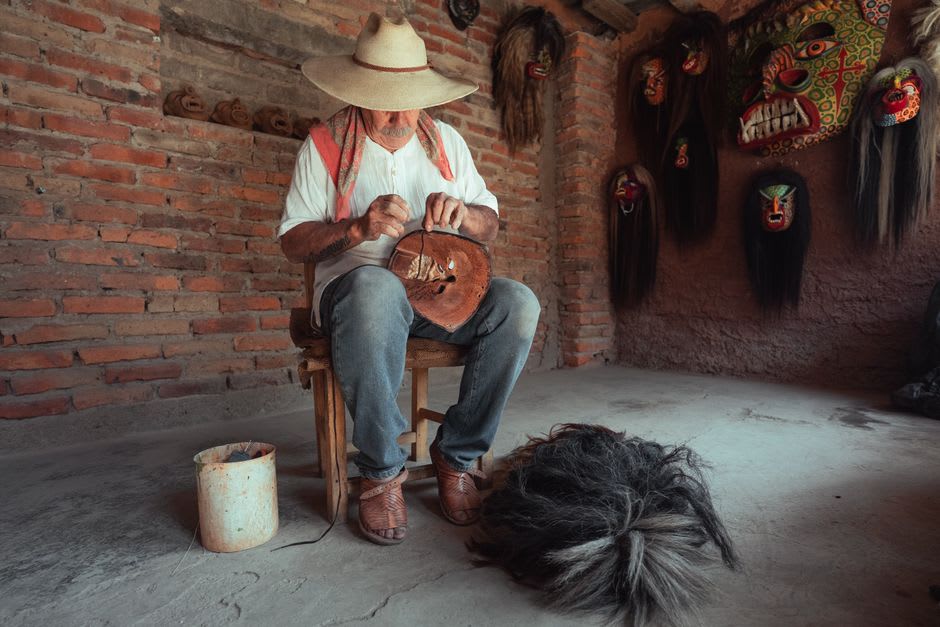
What Sahuayo makes are not the theatrical sombreros sold in tourist markets — those wide gold-sequined things draped over bar walls in Cancún. These are working hats: palm fiber and wool, tightly woven, shaped on wooden forms that families have passed down across generations. The palma fino versions take days to complete. A good one sheds rain, holds its shape after years of use, and is wider in the brim than anything you’d find in a department store — because that width exists for a reason: shade at noon in July, somewhere in the Bajío.
The talleres cluster on Calle Degollado and the surrounding blocks. Most are open-front workshops where you can watch the weaving in progress without anyone pressuring you to buy. The prices are honest: a mid-range working sombrero runs 400 to 800 pesos, less than you’d pay for a mediocre reproduction elsewhere. I spent forty minutes in one taller talking to a woman whose grandmother had learned the technique in the same room. I bought two hats and negotiated for a cardboard hatbox. The man at the counter seemed mildly amused that I needed a box to protect hats designed to survive fieldwork.
The Ciénega de Chapala
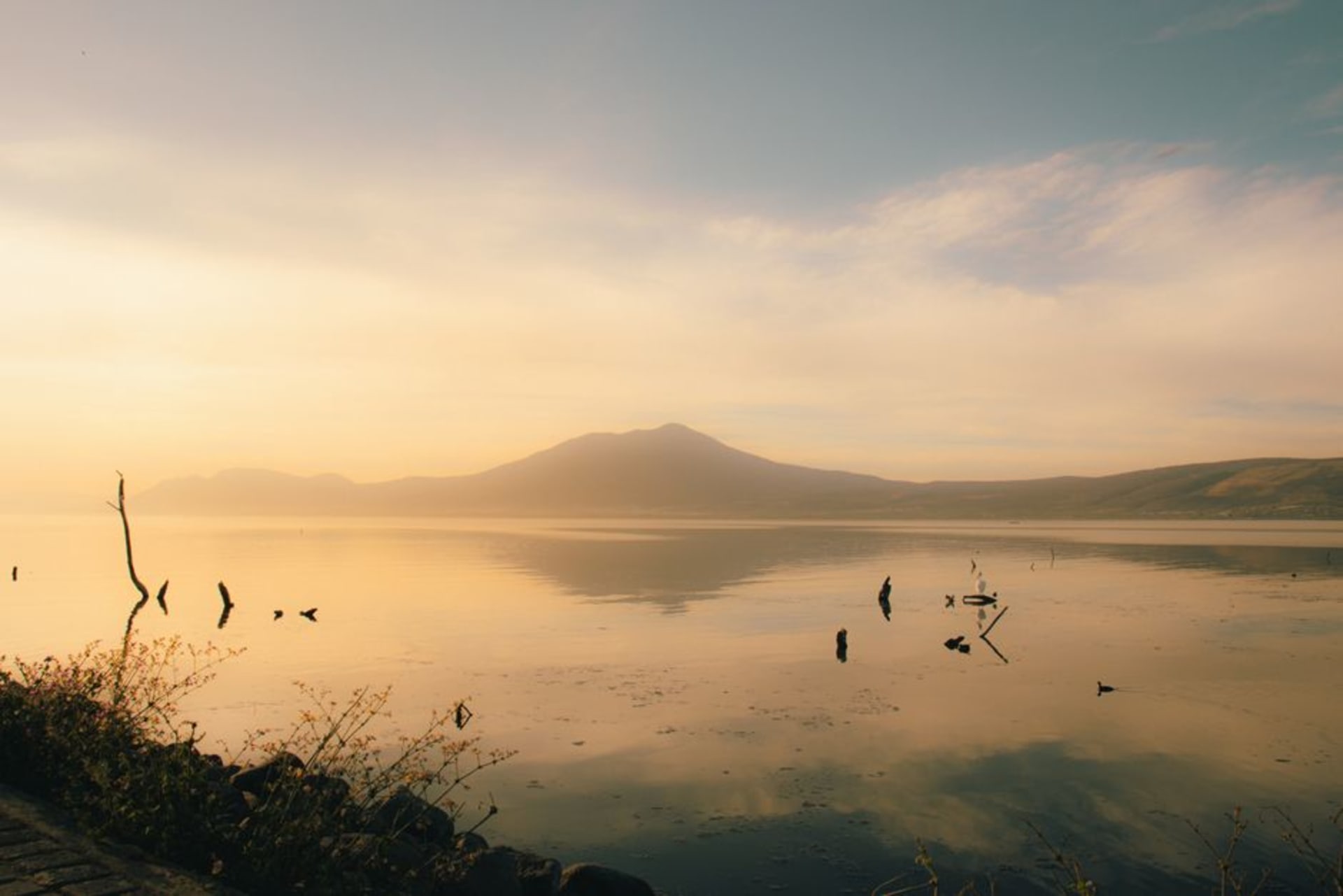
The Ciénega de Chapala was almost entirely drained across the twentieth century — converted to farmland, the water redirected by a series of projects that nobody describes proudly now. What exists today is a partial recovery, perhaps a third of the original wetland, but what’s recovered is alive in a way that stops you cold. I went at six-thirty in the morning, before the heat settled, and the light across the water was that low amber color that makes everything look more important than it is.
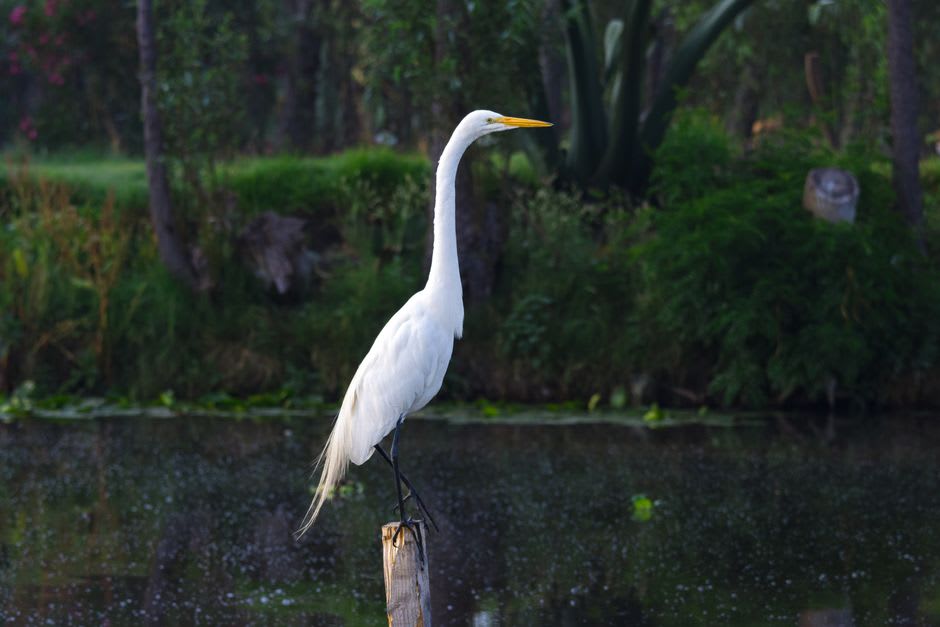
I stayed three hours. There were great blue herons working the shallows methodically, great egrets in clusters near the reed beds, white-faced ibis arriving in small arcing flocks, and a species of dark diving duck I couldn’t identify from memory. The access road off the libre toward Jiquilpan brings you to an unpaved embankment where you can park and walk the edge. No infrastructure, no signage, no entrance fee. Twice, a rancher on horseback passed behind me without comment, which somehow completed the scene.
The Thursday Tianguis
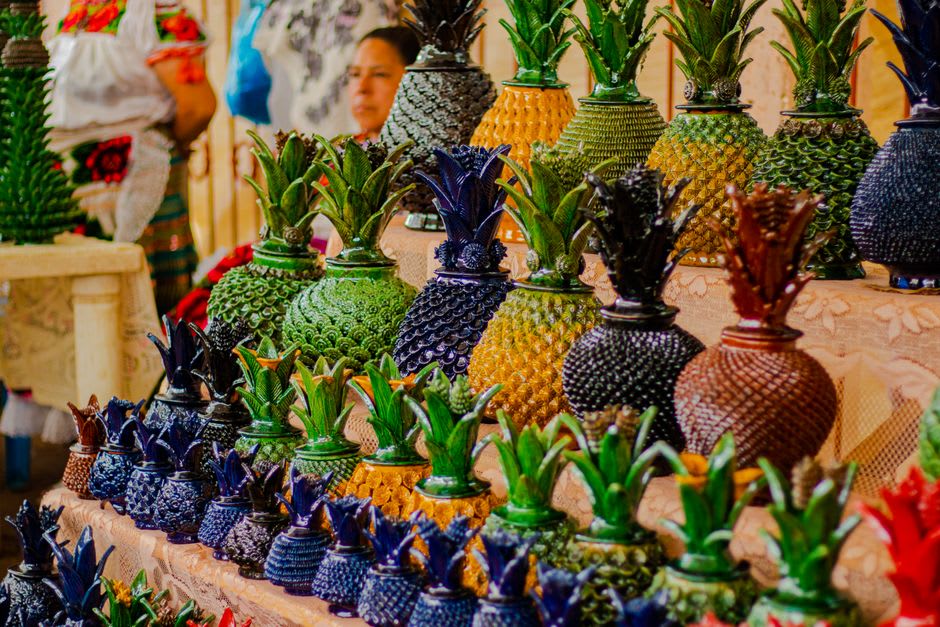
The Thursday market is the reason half the surrounding municipalities have quiet streets that day — everyone is in Sahuayo. It spreads outward from the mercado municipal onto adjacent streets and parking lots, and by eight in the morning it’s already dense. The food section is the honest draw: birria de res from vendors who set up before dawn, atole de guayaba served in ceramic cups, fresh cheese from lake-country ranches, gorditas stuffed with requéson. I made the mistake of sitting down for lunch at a restaurant near the plaza — competent, forgettable pozole — then corrected course at five pesos a piece from a comal near the cheese stalls. Thursday is the only day to be in Sahuayo.
Getting There
Sahuayo sits on Federal Highway 35, about forty minutes west of Zamora and ninety minutes southeast of Guadalajara. From Morelia, allow roughly two and a half hours on the cuota. Second-class buses connect regularly from Zamora’s central terminal and from Guadalajara’s Nueva Central Camionera. There is no ADO presence — this is ETN and Autovías territory, or local combis from Jiquilpan if you are already in that corner of Michoacán.