Erongaricuaro
"I sat on the dock for two hours and nobody tried to sell me anything — which, in Mexico, is its own kind of luxury."
The combi from Patzcuaro drops you at the plaza without ceremony — ten pesos, forty minutes, a driver who doesn’t look at you twice. I arrived on a Tuesday morning in November, when the lake mist was still burning off and the zócalo had exactly three people in it: an old woman selling flowers near the church steps, a dog asleep against the fountain base, and a man moving very slowly with a broom. I stood there for a moment wondering if I had mistimed things. I had not. This is simply what Erongaricuaro is, and once you accept that, it becomes something close to perfect.
The Dock Where Time Loses Interest
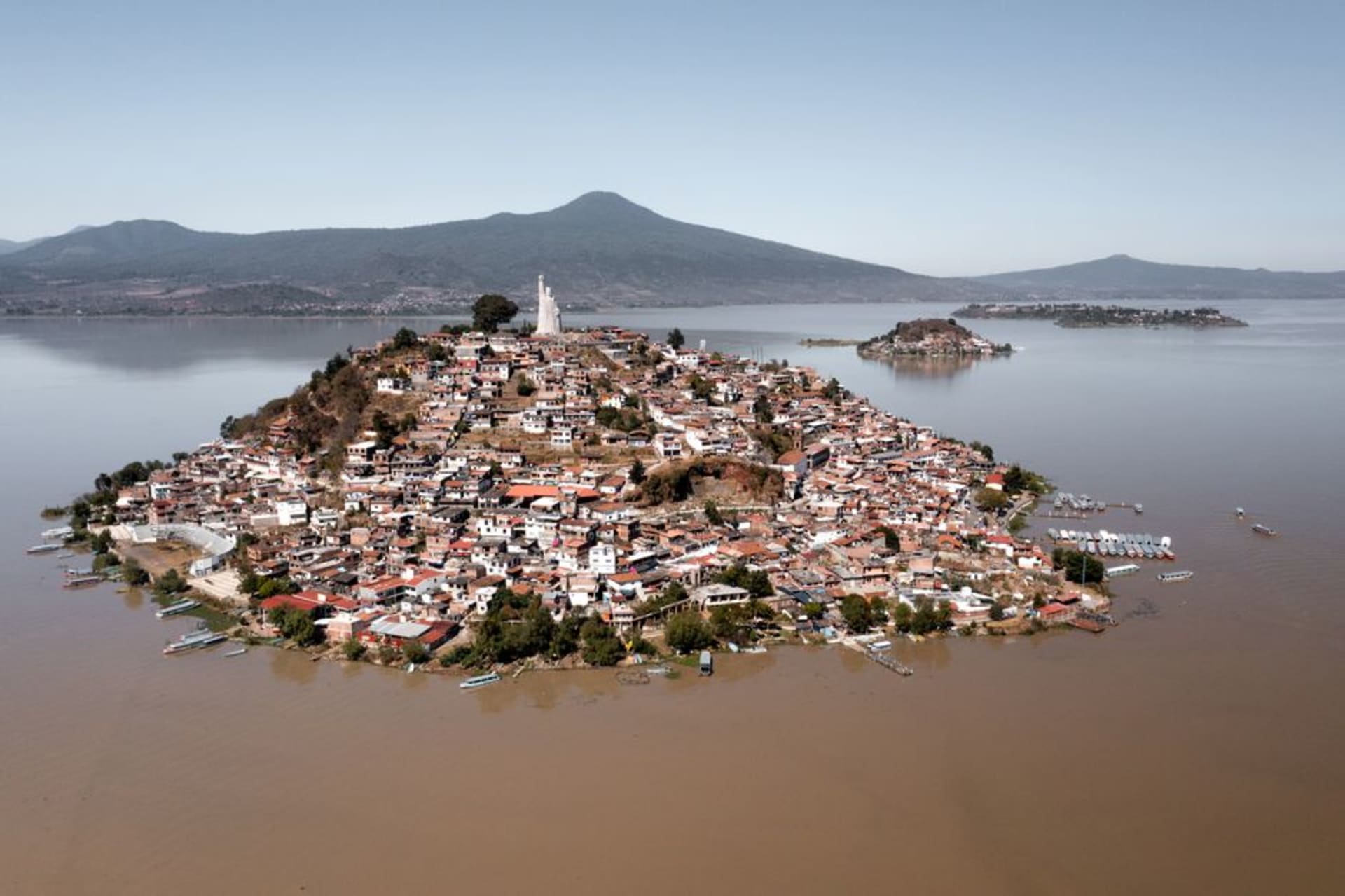
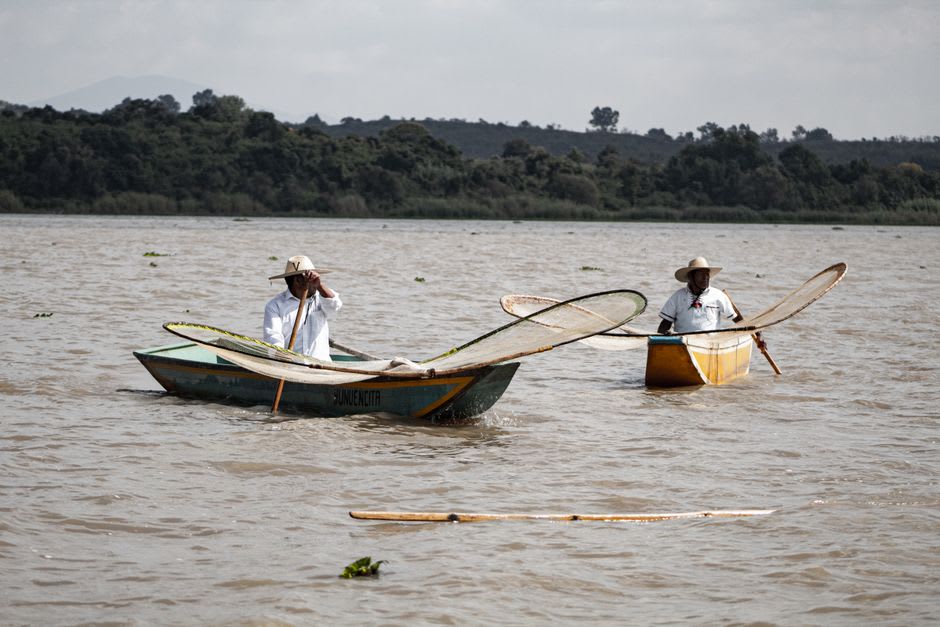
The muelle — really just a stone walkway pushed out into the lake — is about a hundred meters from the plaza, down a slope that passes a painted concrete wall and a tienda advertising Boing. I walked it without seeing another person. The water on Lake Patzcuaro in November is the color of old tin, and from the end of the dock you can see Janitzio island on the far side, but it’s so far it looks like a smudge, not a destination. No one came to charge me a viewing fee. No one set up a stall at my elbow. A pelican — possibly the most self-possessed bird I have ever seen — landed four meters away and regarded me without the slightest commercial interest. I stayed two hours. I watched a pair of fishermen work butterfly nets in the slow, practiced way those nets have always been worked here, standing in their wooden canoes with a patience I genuinely envied. There is almost nowhere in Mexico where a waterfront will simply leave you alone like that.
The Work on the Looms
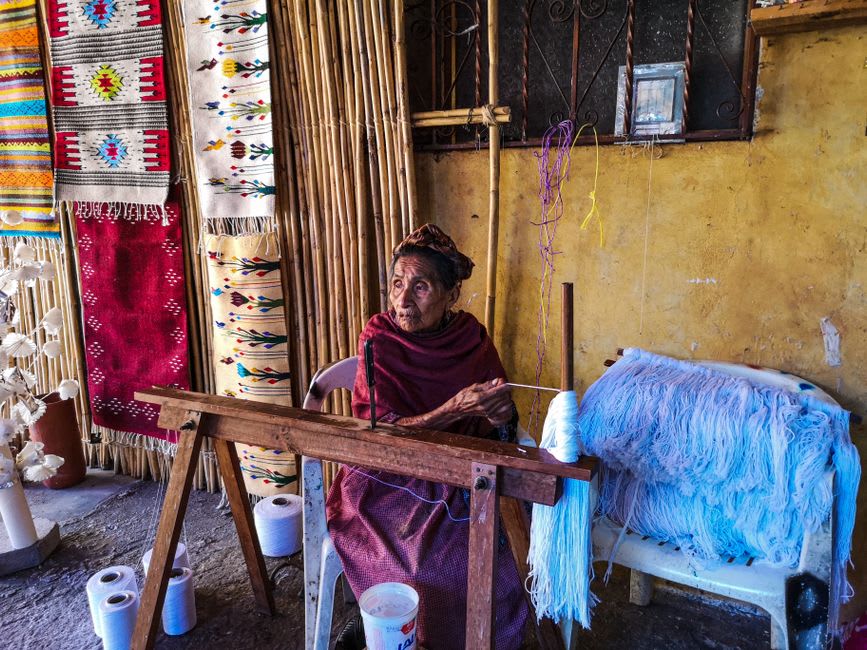
Erongaricuaro has been a weaving village for longer than anyone currently alive can remember. The Purepecha tradition here runs toward serapes and wool blankets — geometric patterns in rust, black, and cream — and a few workshops sit just off the streets that branch behind the church, identifiable by the sound of the looms before you see them. I found one run by a woman named Guadalupe and her daughter, working on opposite sides of a room that was part workshop, part living space. A television was on in the corner. The blanket they were making would take another week. I bought a small table runner — 180 pesos, not haggled — and asked Guadalupe about the patterns. She explained one in particular: a diamond motif connected to the lake, though the exact meaning she kept a little private. I thought that was fair.
The People Who Stayed
There is a loose community of foreign painters in Erongaricuaro — mostly Americans, a German I heard about but didn’t meet — who arrived at various points between the 1980s and the early 2000s and simply never reassessed the decision. Their presence gives the village a particular texture: decent coffee in two places you have to ask about, the occasional exhibition notice pinned to a telephone pole, and a cosmopolitan ease that doesn’t announce itself. I had lunch at a comedor near the main road — sopa tarasca first, then uchepos with crema and salsa verde, café de olla to finish — and the woman at the next table was reading a Patricia Highsmith novel in English with the focus of someone on her third read. Nobody found this remarkable.
Getting There
Patzcuaro is the hub — two hours by bus from Morelia, which connects to Mexico City. Combis to Erongaricuaro leave from near Mercado Donato Guerra and run through mid-afternoon; the road is paved and the ride takes about forty minutes. October through February is the best window: the lake is high, the light is serious, and the Day of the Dead atmosphere around Patzcuaro adds something to the whole region. There is one small posada in the village; most visitors day-trip from Patzcuaro.