Zapopan
"October in Zapopan means watching hundreds of thousands of people escort a tiny Virgin statue through streets so packed you can barely breathe — pure overwhelming Mexico."
I had come to Guadalajara for a food market and ended up staying two extra days because of Zapopan. That seems about right. The city — and I insist on calling it a city regardless of what the municipal boundaries say — sits northwest of the centro histórico, connected by the Línea 1 metro but spiritually operating on its own frequency. I arrived on a Tuesday in late September, when the air had that particular dusty warmth that precedes the October rains, and found the plaza in front of the basilica full of people who looked utterly satisfied to be exactly there.
The October Return of the Virgin
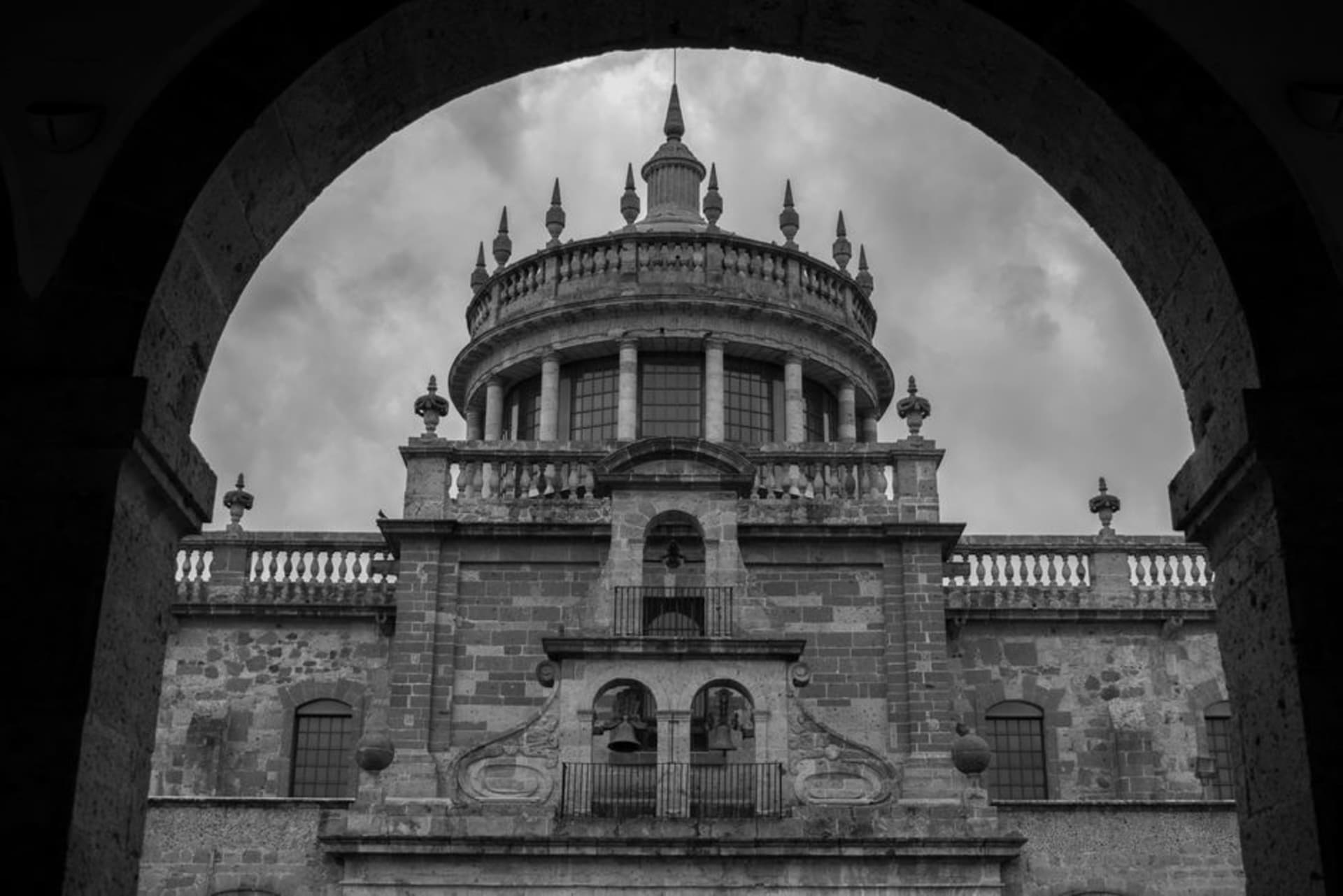
The Basilica of Our Lady of Zapopan is not subtle architecture. Its churrigueresque facade — all volcanic stone and stacked ornament — has announced itself across the plaza since 1690. But the building is almost secondary to what happens each 12th of October, when a ceramic statue of the Virgin, barely forty centimeters tall, completes a circuit of Guadalajara’s major churches and returns home in the company of several hundred thousand people.
I was there for it once. The procession moves at the pace of the crowd, which is to say it barely moves at all, and the noise — mariachis, brass bands, conchero dancers, pilgrims calling out prayers — produces something closer to physical pressure than sound. The Virgin rides in a flower-covered float and periodically disappears entirely under cascades of confetti. The whole thing takes the better part of a day and makes no concessions to observers. You are either part of it or you are not.
The Museum That Will Rearrange Your Eyes
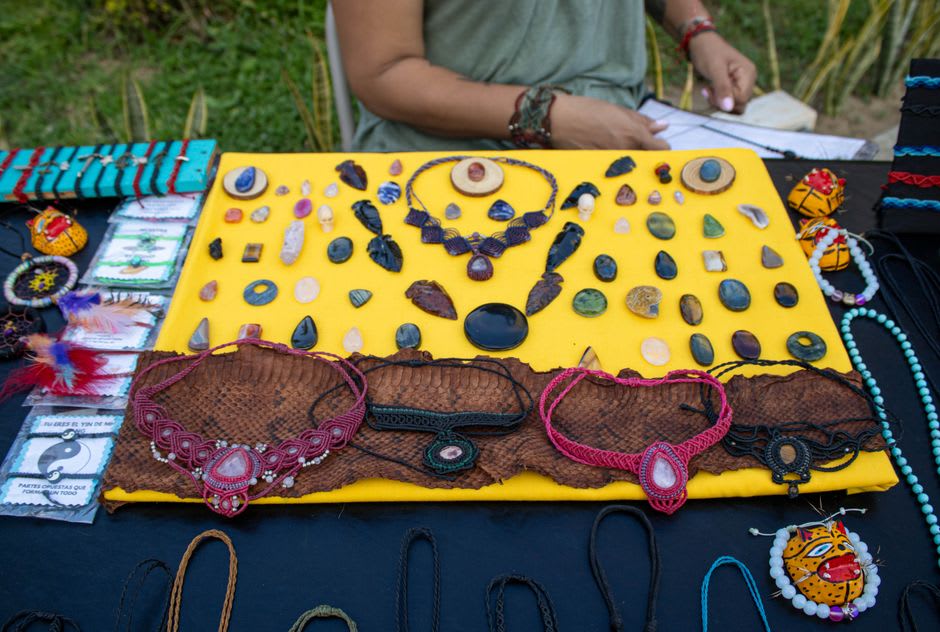
The Museo de Arte Huichol Wixárika de Zapopan occupies a modest building immediately adjacent to the basilica, and I cannot overstate the tonal whiplash of walking from the colonial plaza directly into rooms of Wixáritari yarn paintings. The Huichol people produce artwork of a chromatic intensity that photographs simply do not prepare you for — detailed cosmological narratives rendered entirely in yarn pressed into beeswax, the colors interacting in ways that produce a mild visual vertigo, and not the unpleasant kind.
I spent nearly two hours there on my first visit, considerably longer than planned. The museum sells authentic pieces directly from Wixáritari artisans, which matters both ethically and practically — the market for imitation Huichol work in tourist districts is substantial and often indistinguishable at a glance. A beaded gourd purchased here costs more than a similar object in a Guadalajara souvenir shop and is the actual thing.
Where to Eat and What to Listen For
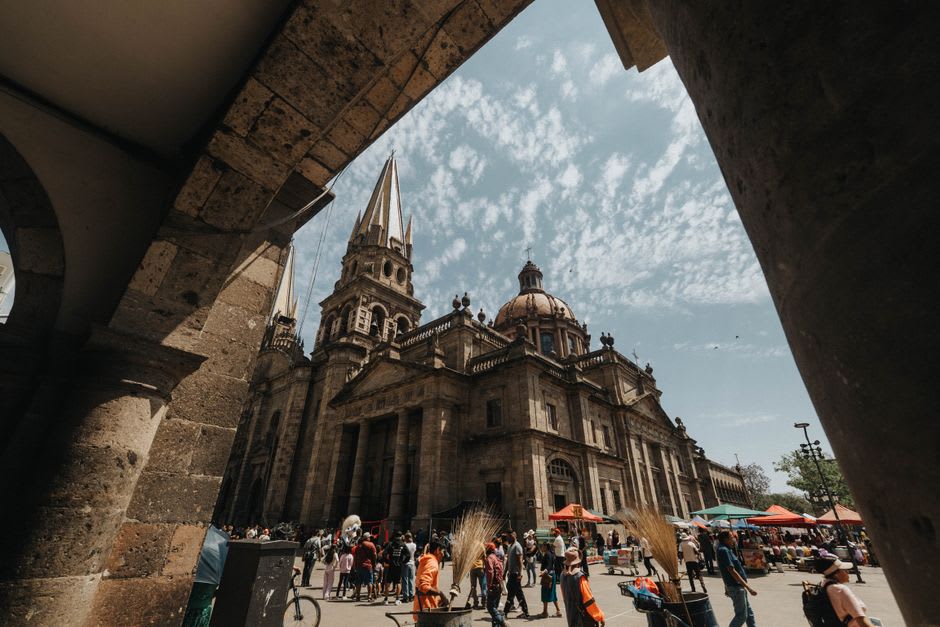
Zapopan Centro has restaurants that assume proximity to a famous basilica entitles them to tourist prices for mediocre food. The move is to walk three or four blocks from the main plaza. Calle Eva Briseño and the surrounding streets have small lunch places — comidas corridas around ninety pesos — where the birria arrives in clay bowls and the agua de jamaica gets refilled without being asked. In the evenings, the area near Jardín de los Mariachis runs on its own logic: musicians waiting for bookings, playing quietly for each other, occasionally breaking into full performance for no reason at all. You can sit on a bench and listen without spending anything.
Getting There
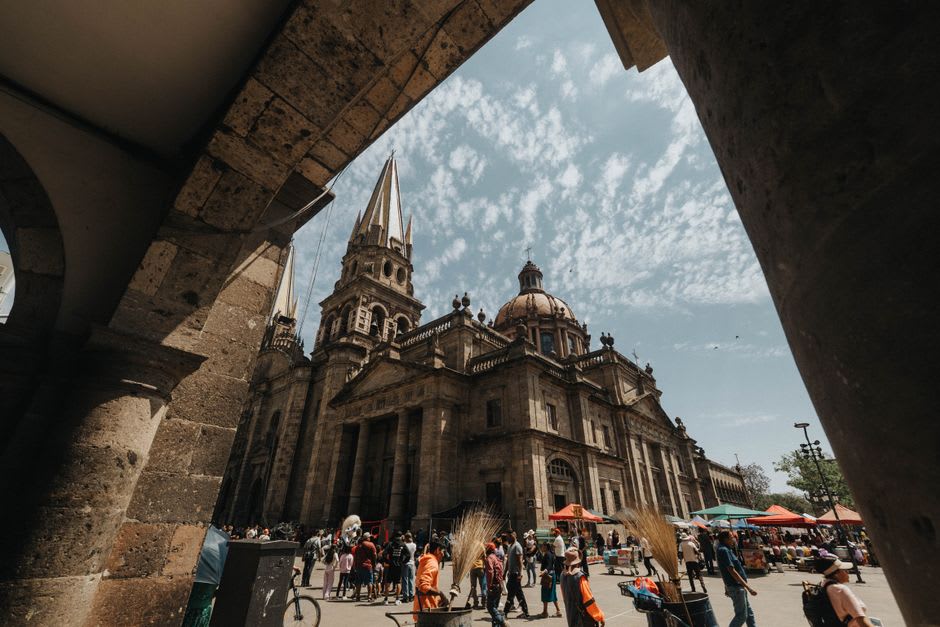
From Guadalajara’s centro histórico, take the Línea 1 metro westbound to the Zapopan station — roughly twenty minutes and nine pesos. From the station, the basilica is a ten-minute walk north. From the airport, a taxi or Uber runs around 180 to 220 pesos depending on traffic. The streets around the basilica and museum are entirely walkable once you arrive.