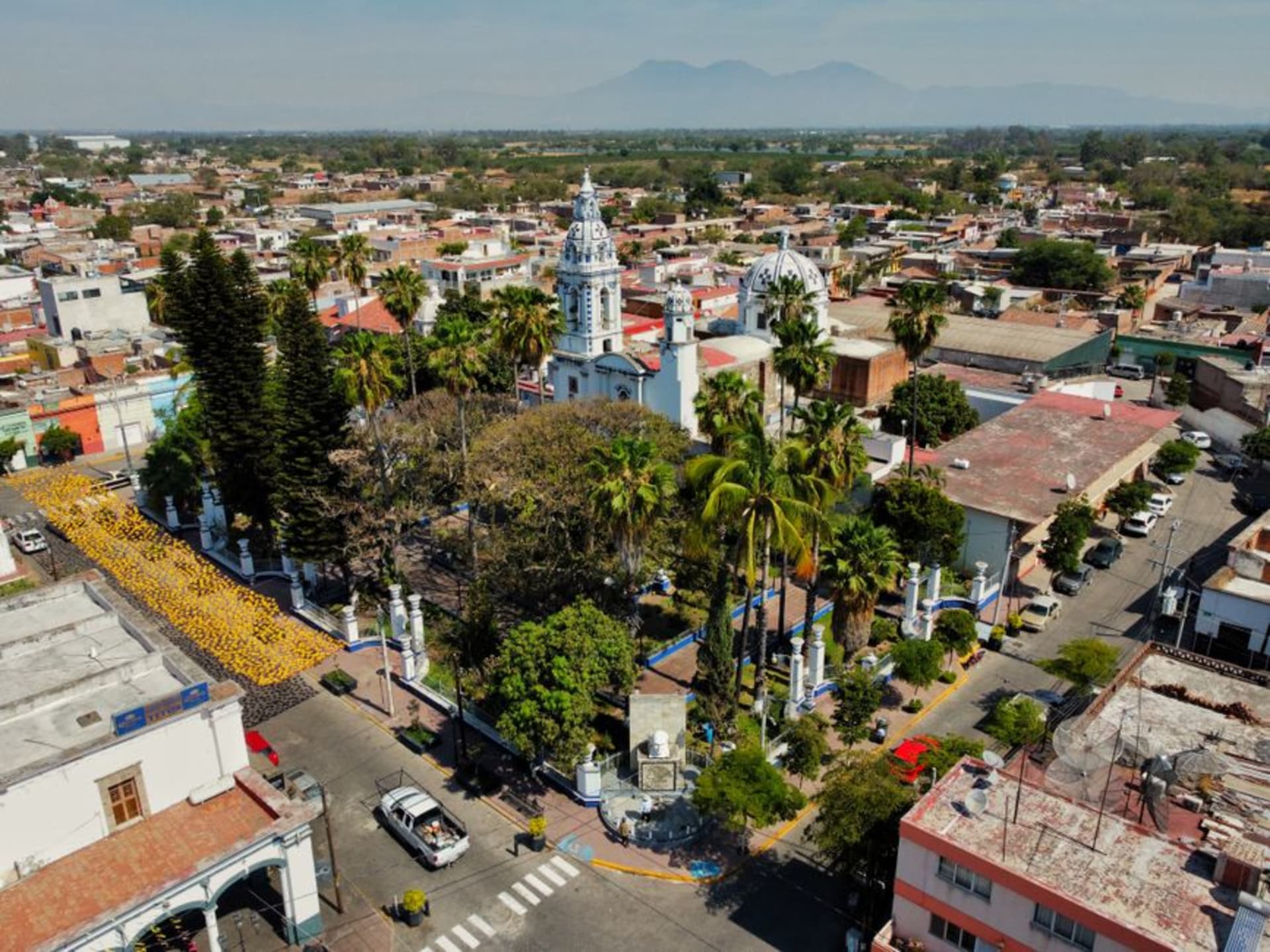
Talpa de Allende
"Talpa is three things at once — pilgrimage site, food town, and the Sierra Madre at its most hospitable."
The road from Puerto Vallarta to Talpa climbs for most of its two and a half hours — pine forests replacing palms somewhere past Mascota, the coast disappearing behind a ridge I couldn’t name. By the time the town appeared below me, I’d already adjusted to the altitude and to a different register of Mexico entirely. I parked near the plaza, stepped out into air that felt almost northern, and stood there a moment longer than necessary. That’s the Sierra Occidental’s particular trick: it makes the coast feel like something you invented.
The Virgin Who Fits in Your Palm
The Virgen de Talpa is one of Jalisco’s three sacred Marian images — alongside Zapopan and San Juan de los Lagos — and she is astonishingly small. The original figure, housed in the Basílica de Nuestra Señora de Talpa on the main square, stands around 34 centimeters tall. Pilgrims walk hundreds of kilometers to see her, arriving in caravans from Guadalajara, Colima, and beyond during the great feast days in March and September. I was there on an ordinary Wednesday in November and even then the basilica held a quiet electricity. Families knelt on the stone floor. A woman pressed a laminated photograph against the glass near the altar — a son, I thought, or a husband. Outside, the plaza ran at its usual pace, pigeons and old men occupying the same benches in roughly equal numbers. I sat for a while and watched pilgrims emerge blinking into the afternoon light, looking simultaneously exhausted and lighter than they’d arrived.
What You Actually Eat Here
The food conversation in Talpa begins and ends with gorditas de maíz cacahuazintle. The cacahuazintle is a thick-kerneled heirloom corn variety, white, faintly sweet — its ground masa is unlike anything you’d find at sea level. The gorditas are pressed thick, cooked on a comal until they blister, then split and filled. On Calle Hidalgo I found a woman selling them from a folding table: mine came with chicharrón prensado and a salsa verde so acidic it nearly burned. I ate two. Then a third. The town also produces biznaga candy and jamoncillo de leche — a firm milk sweet sold in paper-wrapped rounds from stalls ringing the basilica. The whole food economy of Talpa runs within about three blocks of the main square, which is exactly the right radius for a town that wants you to eat again, sit down, and stay a little longer.
Walking the Elevation
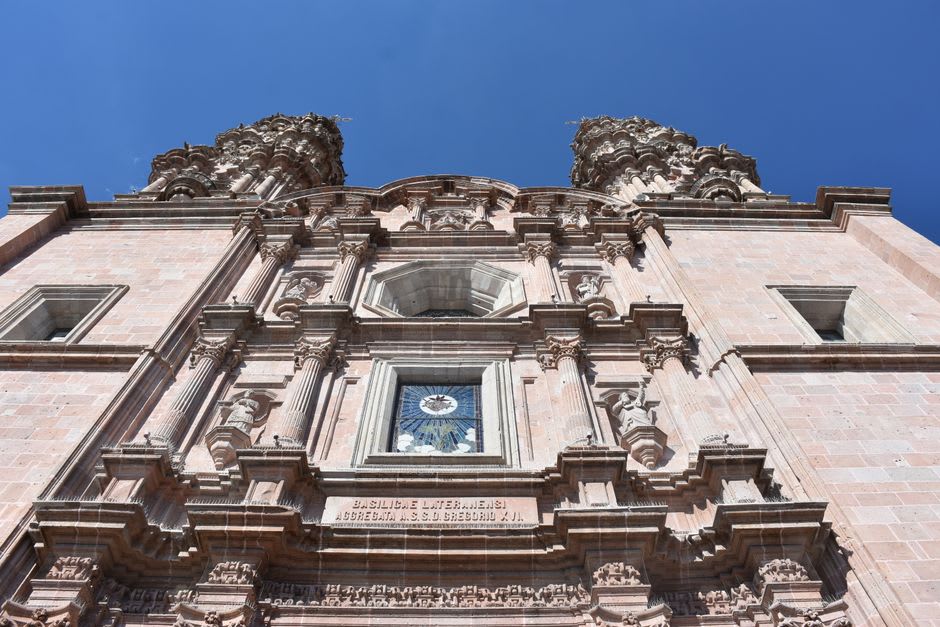
The streets are cobblestone and the incline is real — Talpa sits at around 1,300 meters — and the afternoon light at this altitude has a quality I don’t get in Puerto Escondido: softer, more horizontal, angling through doorways at a slant that makes everything look considered. I walked out toward the cemetery on the eastern edge of town before sunset, then back through residential streets where women were watering potted plants outside doorways painted in the specific yellows and blues that seem to exist only in Jalisco highland towns. No agenda helps here. You walk, you eat another gordita, you sit in the basilica one more time. The Sierra Madre takes care of the rest.
Getting There
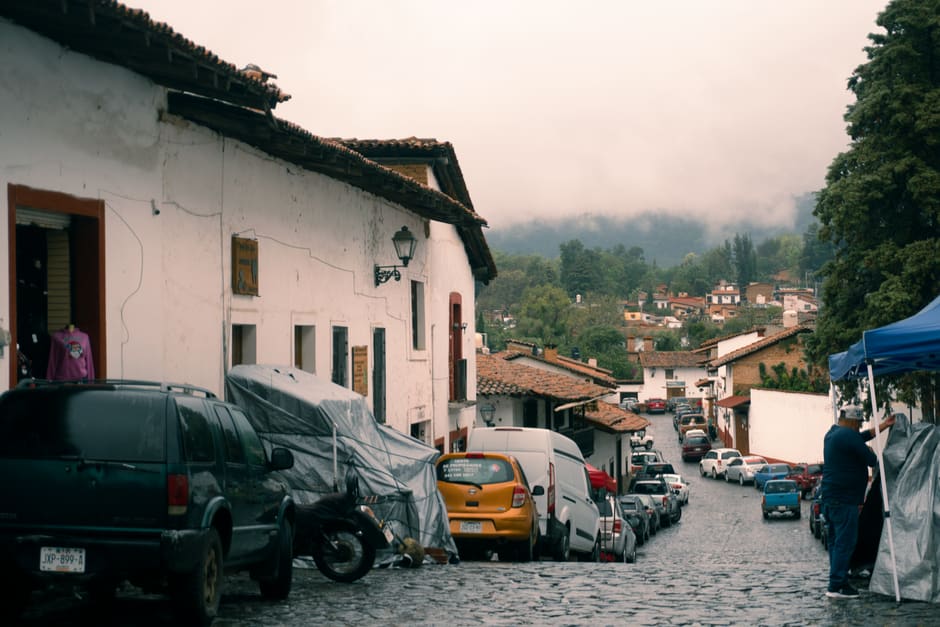
Talpa de Allende is roughly 135 kilometers from Puerto Vallarta — about two and a half hours by car via MEX-70 through Mascota. There’s no reliable bus connection worth planning around; renting a car or joining an organized day trip from Vallarta is the practical option. The mountain road past Mascota is paved but narrow in places. Take it slowly after rain and in the last hour before dark.