San Marcos
"I had never understood the charro until I watched one ride in San Marcos — after that, I understood completely."
I arrived in San Marcos on a Thursday in mid-April, having taken a colectivo from Aguascalientes without any particular plan. Someone at my guesthouse had mentioned the feria the way you mention weather — as a fact of the season, not a recommendation. The plaza was already filling by the time I dropped my bag. Church bells, the smell of gorditas frying on a comal somewhere to the left, and in the distance a sound I couldn’t place at first: hooves on packed earth. I figured I’d stay two nights. I stayed five.
La Feria de San Marcos Jalisco
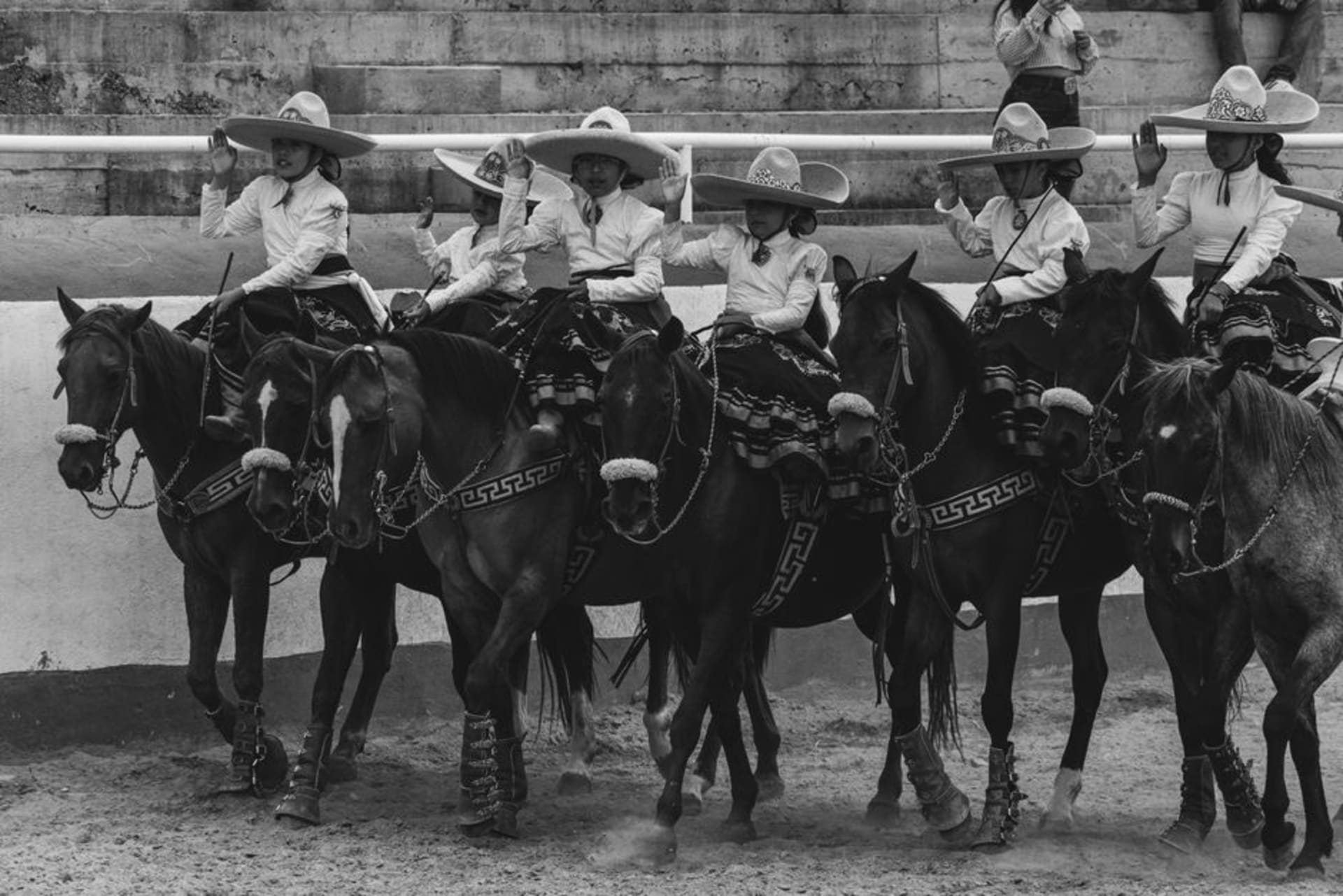
The fair that takes over this town each April is not the watered-down version that the name San Marcos sometimes conjures from its famous cousin in Aguascalientes. This is older and quieter — a regional horse fair in the strict sense, organized around the charreada, Mexico’s traditional equestrian discipline. The lienzo charro fills in the afternoons with riders who look like they’ve been assembled from a 19th-century illustration: silver buttons running the length of their jackets, wide-brimmed sombreros angled just so, horses moving with a precision that looks effortless until you think about it for a moment and realize it isn’t. I watched a coleada — the roper twisting a bull by the tail at full gallop — from a wooden bleacher bench with a cup of tejuino in my hand, surrounded by families who had driven in from ranches across the Altos de Jalisco. Nobody was performing for tourists. That’s what made it worth watching.
The Town Around the Fair
The mistake is to think San Marcos is only the lienzo. The plaza around the old parish church — Parroquia de San Marcos Evangelista, squat and pale-painted and older than most things nearby — fills with food stalls from mid-morning. I ate birria three days in a row from a woman who set up her pot at the corner of the jardín by eight each morning and was sold out by noon. There was also a stand selling aguamiel straight from the maguey, which I had never tried cold before and which tastes, approximately, like sweet grass and patience. At night the plaza runs with norteño bands and couples who have been dancing together long enough that they no longer need to look at each other’s feet. I sat at a metal table with a beer until the lights went off, which was later than I expected.
Outside of April
I’ve spoken to people who passed through San Marcos in November and found the streets almost empty, the jardín quiet except for schoolchildren at lunch. That town — the one waiting between ferias — is not without its appeal. The surrounding Altos de Jalisco landscape is rolling and green in the rainy season, cattle country, the kind of place that explains why the charro tradition took hold here at all.
Getting There
San Marcos sits close to the Aguascalientes state border, about 40 minutes by colectivo from the Aguascalientes bus terminal. From Guadalajara, expect roughly two and a half hours by bus via Lagos de Moreno or direct connections to Aguascalientes. During the April feria, book accommodation well in advance — the town fills quickly and nearby Aguascalientes tends to absorb the overflow.