Jocotepec
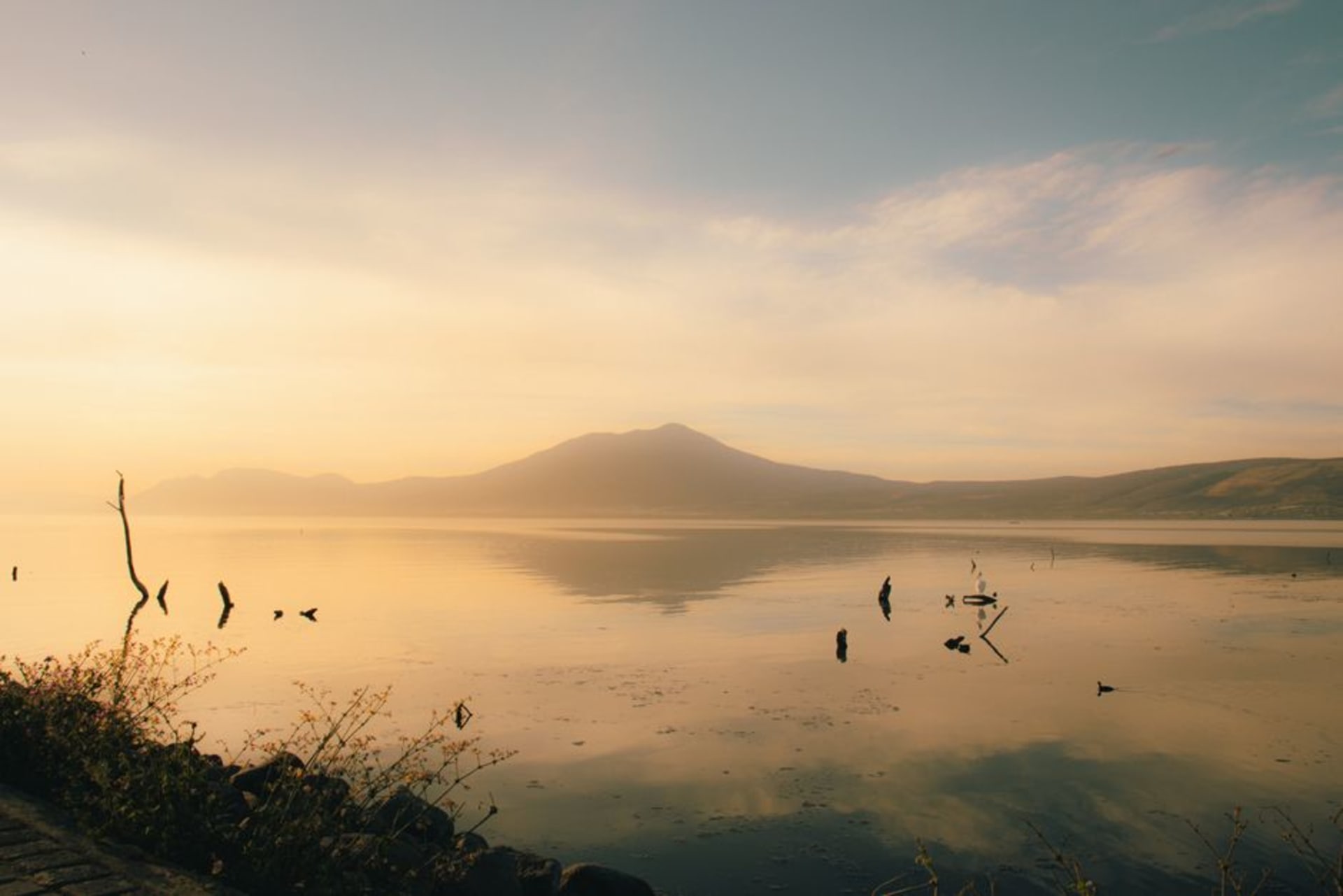
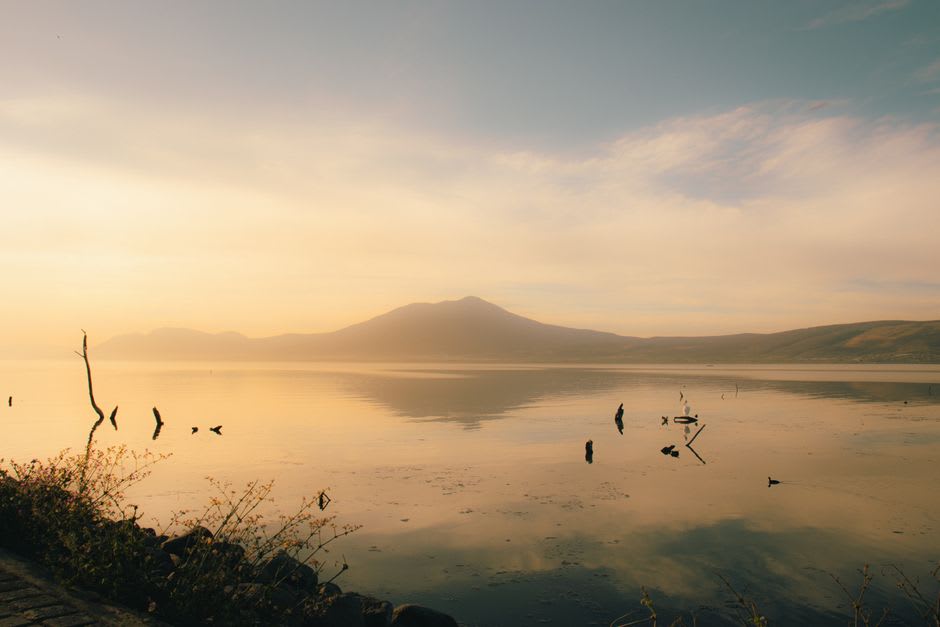
"Lake Chapala at dusk from the Jocotepec shore is the kind of view that makes you reconsider your plans."
I came to Jocotepec by accident, the way you come to most places worth going. I was heading west from Ajijic along the lake road in the late afternoon, the light already doing its particular thing over Chapala, and I stopped because the water through the passenger window looked like something I needed to be closer to. Jocotepec was where I stopped. That was eighteen months ago and I have been back four times since — which, for a town of 25,000 people at the end of a lake road in Jalisco, says something.
The Lake at the End of the Day
The western end of Chapala gets the sunset head-on. Ajijic, further east along the north shore, catches it at an angle; Jocotepec faces directly into it, and on clear evenings the water does things with color that feel implausible — deep rose, then copper, then a grey-violet that lingers longer than you expect before the dark comes in from the mountains. The malecón here is a plain thing: a wide concrete walkway, some benches, a few trees. No restaurants trying to capture your attention, no vendors targeting the camera-carrying crowd. The people on it are walking their dogs and calling their kids back from the water’s edge.
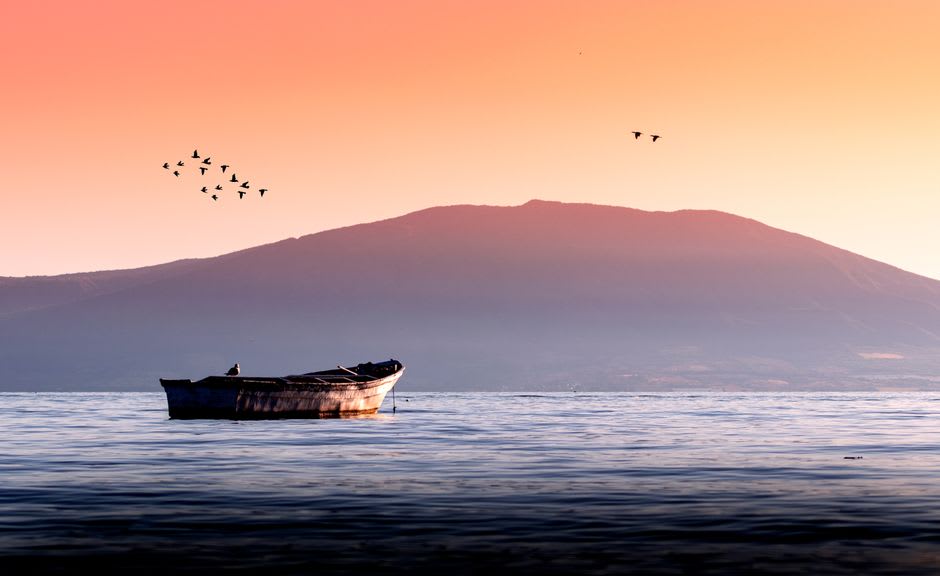
Fishermen launch at first light in wooden lanchas — the flat-bottomed boats that have worked this lake for generations — heading out for charal, the small silvery fish that are dried, fried, and eaten whole, and which appear in Jocotepec’s market in quantities that tell you the lake is still producing. I arrived at the dock at six on my second visit and watched four men sort their nets in silence while the lake behind them went through five shades of early morning. Nobody performed for the presence of a stranger with a notebook. That quality of not being watched-back is getting rarer in Mexican lakeside towns.
The Sarapes and the Mercado
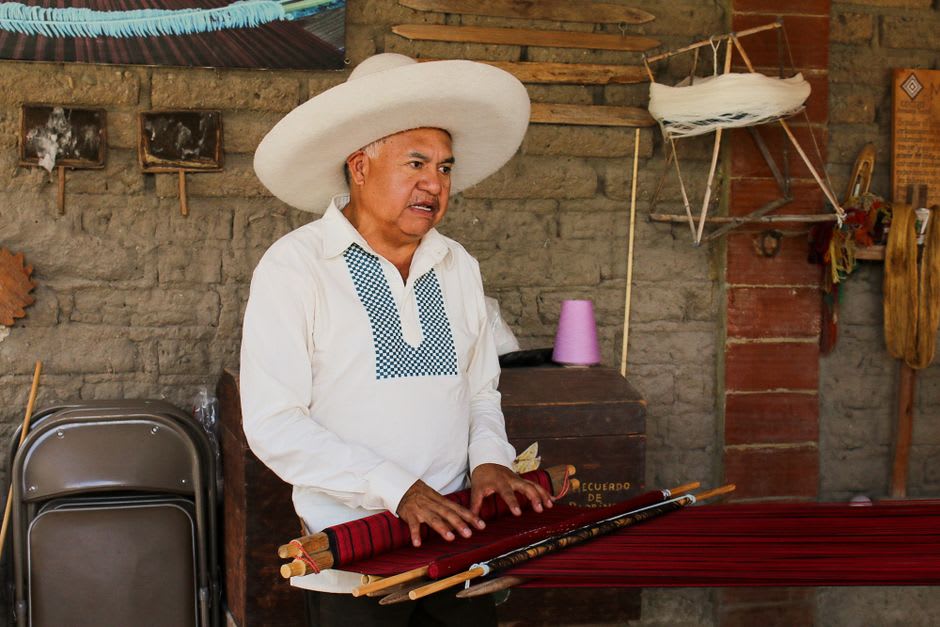
Jocotepec is one of the few towns in Jalisco where hand-loomed sarapes are still made on backstrap and floor looms, not printed or machine-woven. The sarape workshops are not difficult to find — ask at the market, or simply walk the streets north of the plaza and listen for the rhythm of a treadle loom, a sound like a slow mechanical heartbeat. I spent an hour in a workshop on Calle 5 de Febrero watching a woman named Consuelo weave a zarape in natural wool dyed with cochineal and indigo. The piece she was working on would take three more days to finish. She had been making them for thirty years. The prices for finished work are not tourist prices; they are what the labor costs.
The Mercado Municipal runs daily and peaks on Sundays, when producers come in from the surrounding villages with chiles secos, fresh chayotes, piloncillo in cones, and the dried charal from the lake in loose mounds. I bought a bag of dried lake fish and ate them with lime and chile de árbol at a stall inside the market that also sells pozole rojo on weekend mornings — the broth deeply pigmented, the hominy soft, the garnishes brought to the table in a small tray to add in whatever order suits you.
The Town Itself
The plaza in Jocotepec is a working plaza: it has a church, a clock, some shade trees, and people using it. The Parroquia de Santiago Apóstol on the north side is a colonial building of some age and no great architectural drama, which is precisely what makes it comfortable. The secondary streets that run toward the lake — Calle Constitución, the callejón behind the presidencia — are cobblestoned and quiet and lined with houses whose paint colors are the muted terracottas and ochres that appear throughout highland Jalisco: chosen by taste, not by a tourist board.
The town has a particular quality at midday, when the market has wound down and the streets are mostly empty and the heat off the lake hangs in the air. It is the quality of a place that does not perform. Jocotepec has no boutique hotels, no restaurants with English menus, no organized tours. It has good birria on Sunday mornings at a fondita two blocks from the market, a farmacia, a hardware store, a school. If that sounds like a deflating description, spend an evening on the malecón watching the light on the water and reconsider.
Getting There
Jocotepec is 65 kilometers southeast of Guadalajara, about 90 minutes by car. Local buses run from Guadalajara’s Antigua Central Camionera on Periférico and from Chapala town, with frequent departures through the day. From Ajijic, the lake road west takes roughly 25 minutes by car; a local bus covers the same route. There are no taxis circulating — arrange a ride back in advance or ask at the market. Go on a Sunday for the full market, and stay until after six.