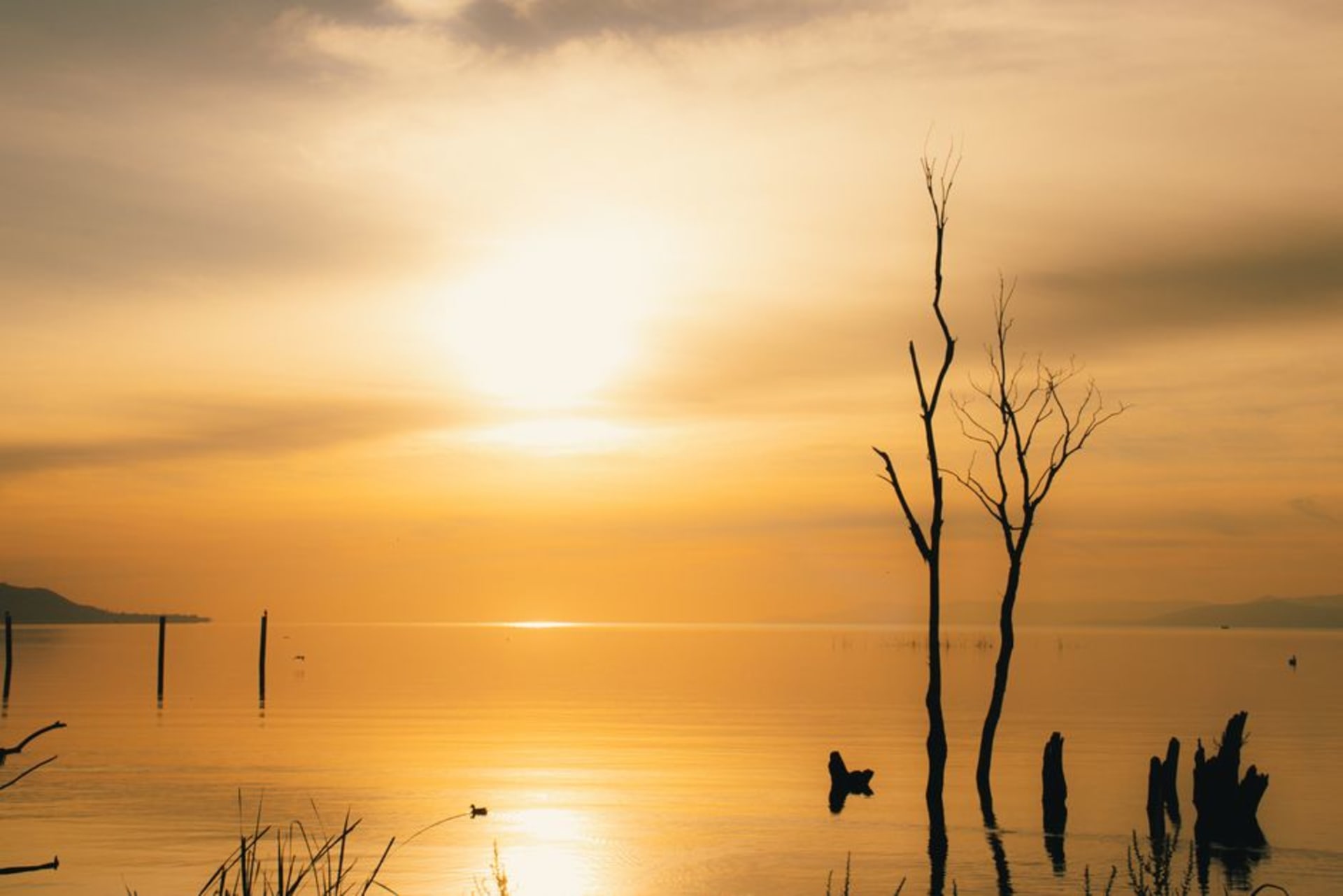
Etzatlán
"Etzatlán is the kind of Pueblo Mágico where the magic is still genuinely incidental."
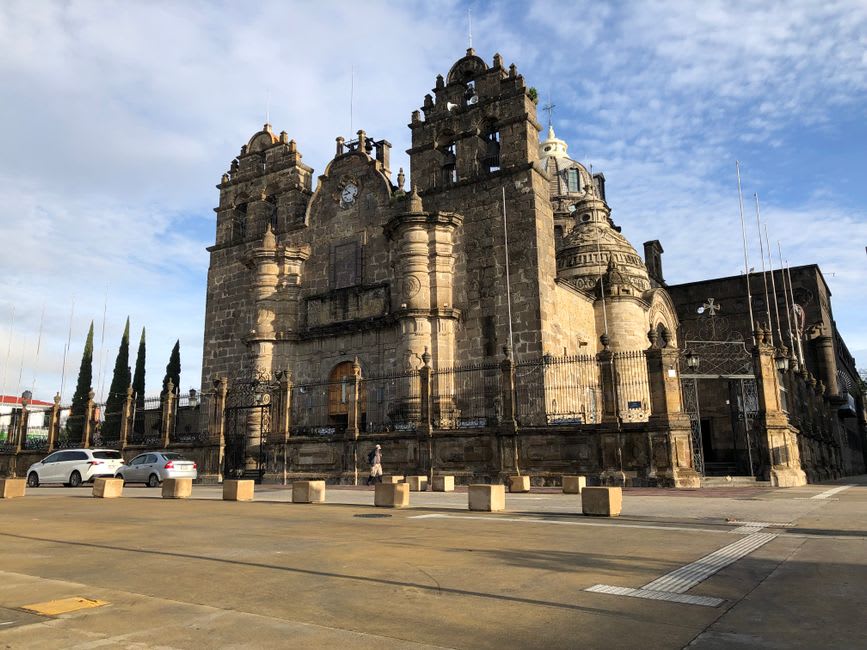
I got to Etzatlán on a Saturday morning in March, having taken the bus from Guadalajara’s old central terminal and then a local combi from Tala. The ride from the city takes about ninety minutes if everything connects, which it did that day. The town announced itself with the bell tower of the Parroquia de Santiago Apóstol before anything else — the kind of proportional colonial church that still surprises you when you’re used to Oaxaca’s more restrained architecture. I had planned to spend a morning. I stayed two nights.
The Laguna de Magdalena
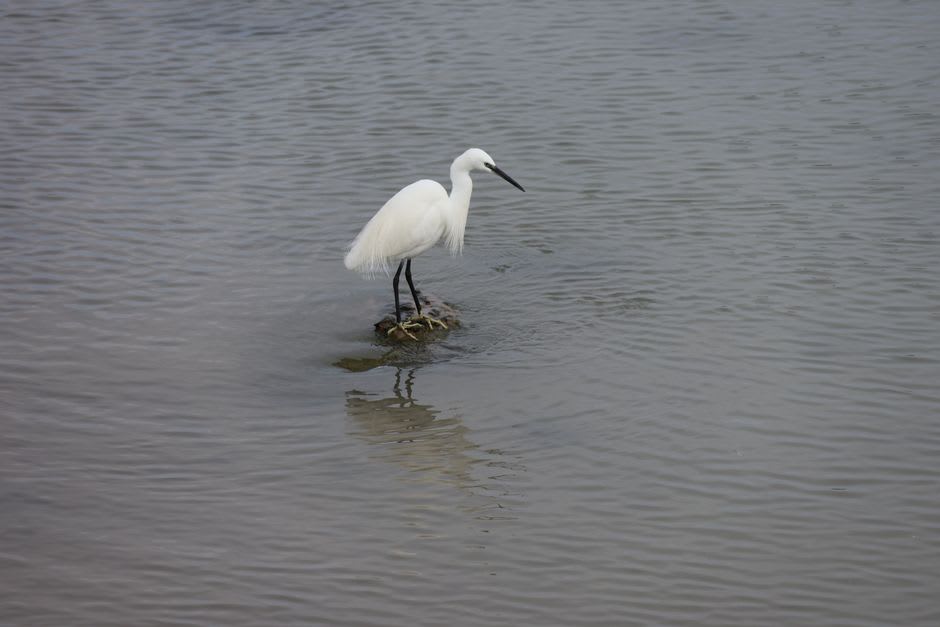
The Laguna de Magdalena sits about eight kilometers north of the town center, and I walked out there early the second morning because the combi does not run before seven and I wanted the light. What I found was one of those bodies of water that serious birders know about and everyone else has not yet discovered. Herons stood motionless in the shallows. A pair of roseate spoonbills — I had to check the field guide I had downloaded — worked the far edge of the reed beds. A man with a battered spotting scope told me that in winter the lagoon fills with waterfowl from as far north as Canada, and that the best position is the southeast bank just after dawn. He was right about the position. By eight the light had gone flat and the best birds had moved on, but I stayed another hour watching white pelicans drift across the surface like slow thoughts. There is no entrance fee, no interpretive signage, no concession stand. Just the water and what lives in it.
The Saturday Market
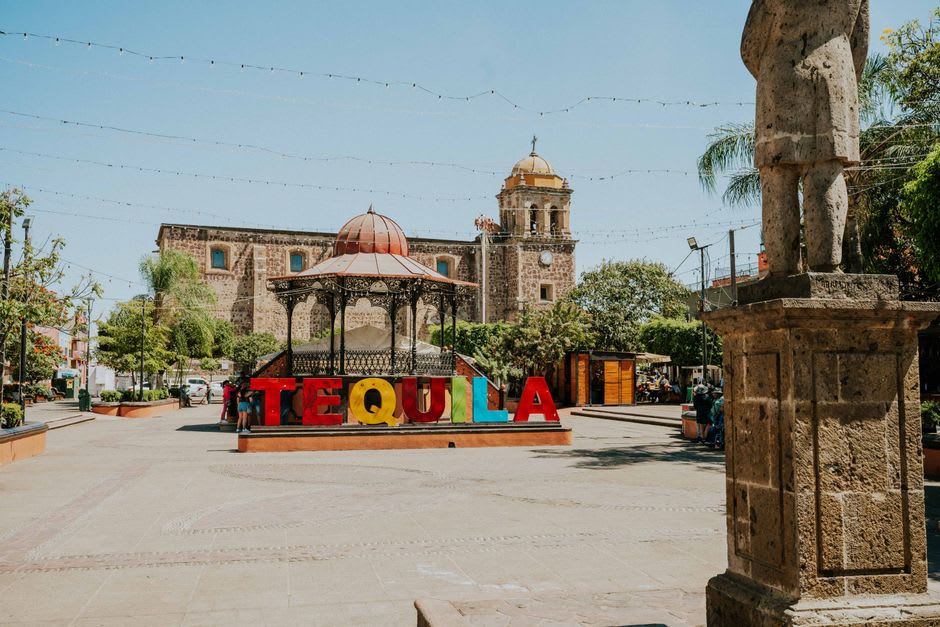
The market that sets up around the main plaza on Saturdays is not arranged for visitors. This sounds like a neutral observation but it is actually the highest compliment I can give a market. There are no artisan stalls selling hand-painted ceramic tiles. There are vendors selling work gloves, replacement gas burners, and plastic bins in seven colors — and in the corner near the farmacia, a woman who makes birria de chivo that she ladles into bolillos from a clay pot the size of a small cauldron. I had two of those sandwiches standing at the corner of Hidalgo and Morelos, both for under forty pesos, and they were the kind of thing you think about on the bus home. The colonial arcade that frames the plaza’s north side keeps the whole scene in agreeable shade by nine in the morning.
The Church and the Long Afternoon
The Parroquia de Santiago Apóstol is worth more than the glance you give it while crossing the plaza. The interior has the quality of late-afternoon light that only old stone churches seem to generate — something to do with thick walls and small clerestory windows. I sat in there for twenty minutes on Sunday before the five o’clock mass, which is how I found myself staying for the service itself, surrounded by women in their sixties and a few bored teenagers. Afterward, the restaurant on the south side of the plaza — I never caught its name — makes a serviceable caldo tlalpeño and serves it with rice and a basket of tostadas. Eat there if it is open. The hours are approximate.
Getting There
From Guadalajara’s old central terminal, take a bus toward Ameca and ask to be let off in Tala, then catch a combi to Etzatlán — about ninety minutes total and very cheap. A few first-class buses also run directly from Guadalajara. A taxi from the city runs around 450 to 500 pesos. There is no train.