Chapala
"Mexico's largest lake deserves more than a day trip — Chapala is where you come to sit with the water and forget what you were rushing toward."
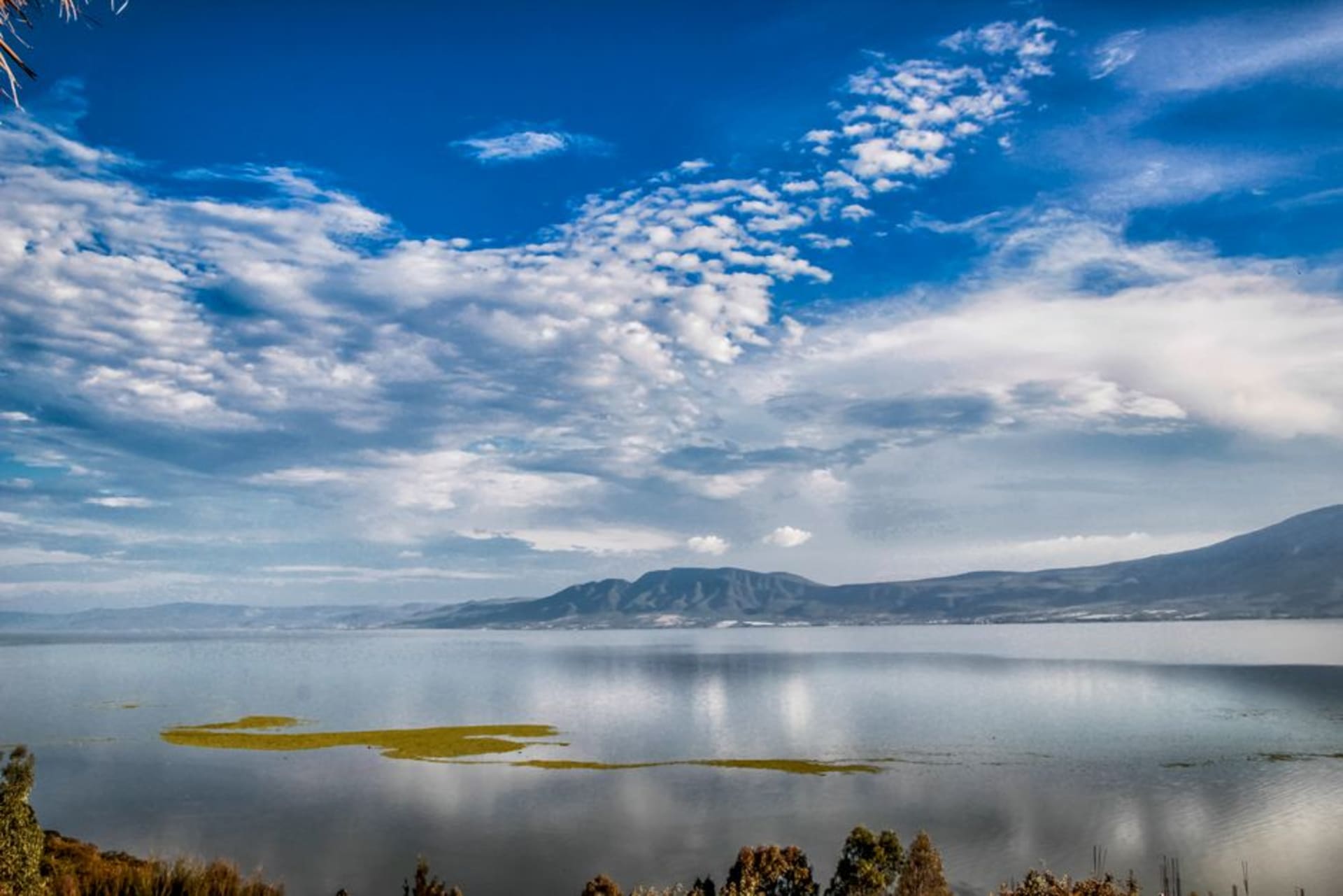
I arrived on a Thursday afternoon when the tourist infrastructure was still at rest. The malecón was almost entirely local — an older man selling charales from a plastic bag, two fishermen in a wooden lancha pushing off from the dock near the Restaurante Cazadores pier, a pair of teenagers watching the water like they had nowhere better to be. Lake Chapala from this angle is enormous: 80 kilometers of still water disappearing into haze, and the reeds along the shoreline moving in that slow, meditative way that only very large bodies of water can produce. I had told myself two days. That was optimistic in the wrong direction.
The Lake That Swallowed Schedules
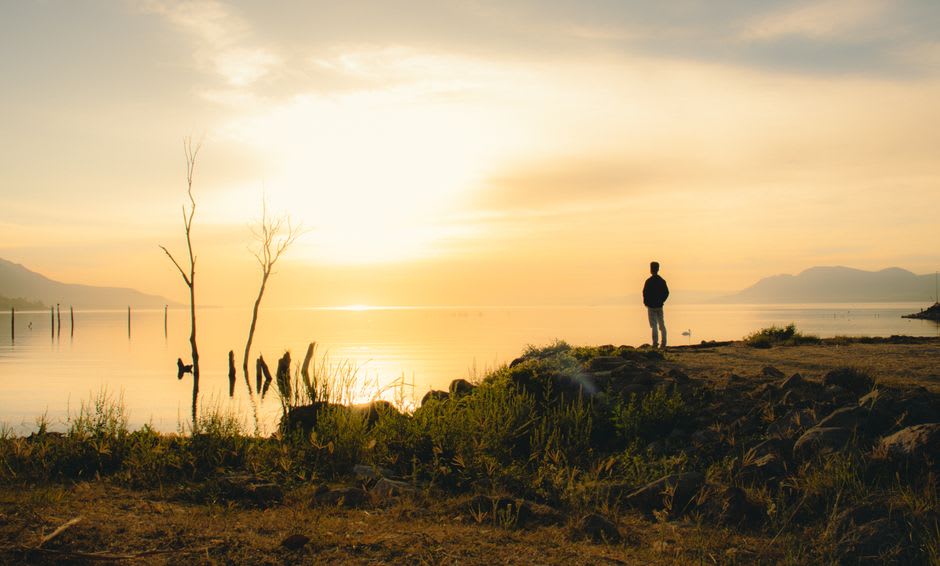
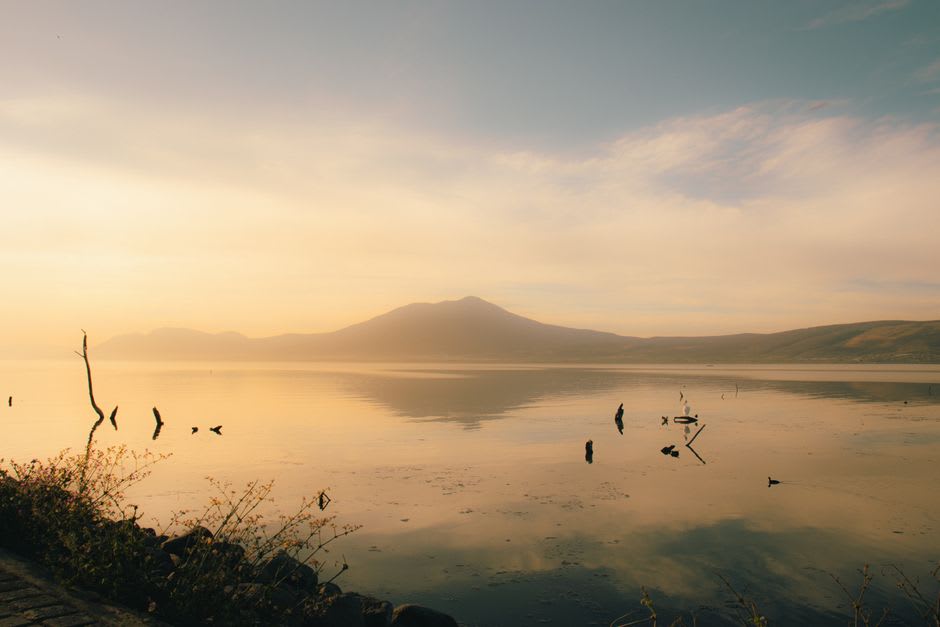
The thing about Lake Chapala — Mexico’s largest natural lake — is that it doesn’t perform for you. There’s no dramatic cliff or obvious postcard angle forcing itself on a camera. What there is instead is sheer scale and a quality of light in the late afternoon that turns the water somewhere between silver and pale copper. I walked the malecón from the main plaza all the way past the boat launches twice without really intending to. Pelicans work the shallows in groups of four or five, and the fishing lanchas come and go from the public dock with a regularity that makes you feel like an observer of actual life rather than a tourist attraction. The old wooden pylons standing partially exposed near Punta Chapala are a quiet record of how much the lake has shrunk and partially recovered over the decades. Nobody explains this to you. You notice it on your second lap of the malecón and start asking around.
Charales on a Thursday
The weekend seafood stalls set up along the malecón between the plaza and the old pier, and they serve pescado a la talla — whole fish rubbed with chile paste and grilled over charcoal — without any theatrical presentation. You eat at a plastic table with a view of the dock. On weekdays the food situation requires more effort. The Mercado Municipal on Madero has a row of comedores in the back that do a respectable caldo de pescado for thirty pesos, and the vendors along the lake road sell charales — tiny dried fish from the lake itself, eaten with lime and salsa, which sounds like a novelty until you’ve eaten most of a bag without noticing. I had lunch at one of the market comedores three days in a row. The cook remembered what I ordered after the first visit and had it waiting before I reached her stall.
The Honest Version of the Lakeshore
Chapala is not Ajijic. Ajijic, six kilometers west along the lake road, has the art galleries and the organic cafés and the international bookshop; it has been polished to a high expat finish over decades. Chapala has the ferry terminal and the fishermen’s cooperative and the old Casona hotel on the plaza with ceiling fans turning slowly over the dining room. This is not a criticism of either town — they serve different purposes. If you’re spending a few days on the lake, staying in Chapala and taking a taxi to Ajijic for a meal or an afternoon makes more sense than the reverse. The malecón at six in the morning, before the weekend visitors arrive from Guadalajara, belongs almost entirely to the people who actually live there.
Getting There
Chapala is 45 kilometers south of Guadalajara, roughly 50 minutes by car on the autopista. From Guadalajara’s Central Vieja bus station on Dr. R. Michel, shared shuttles run throughout the day for around 60 pesos. There is no direct service from most other cities — connect through Guadalajara. Within the lakeside corridor, taxis between Chapala and Ajijic run flat-rate at around 80 pesos and take about ten minutes.