Zacualtipán
"You smell Zacualtipán before you see it — sawdust and pine resin and woodsmoke, the perfume of a town that makes things."
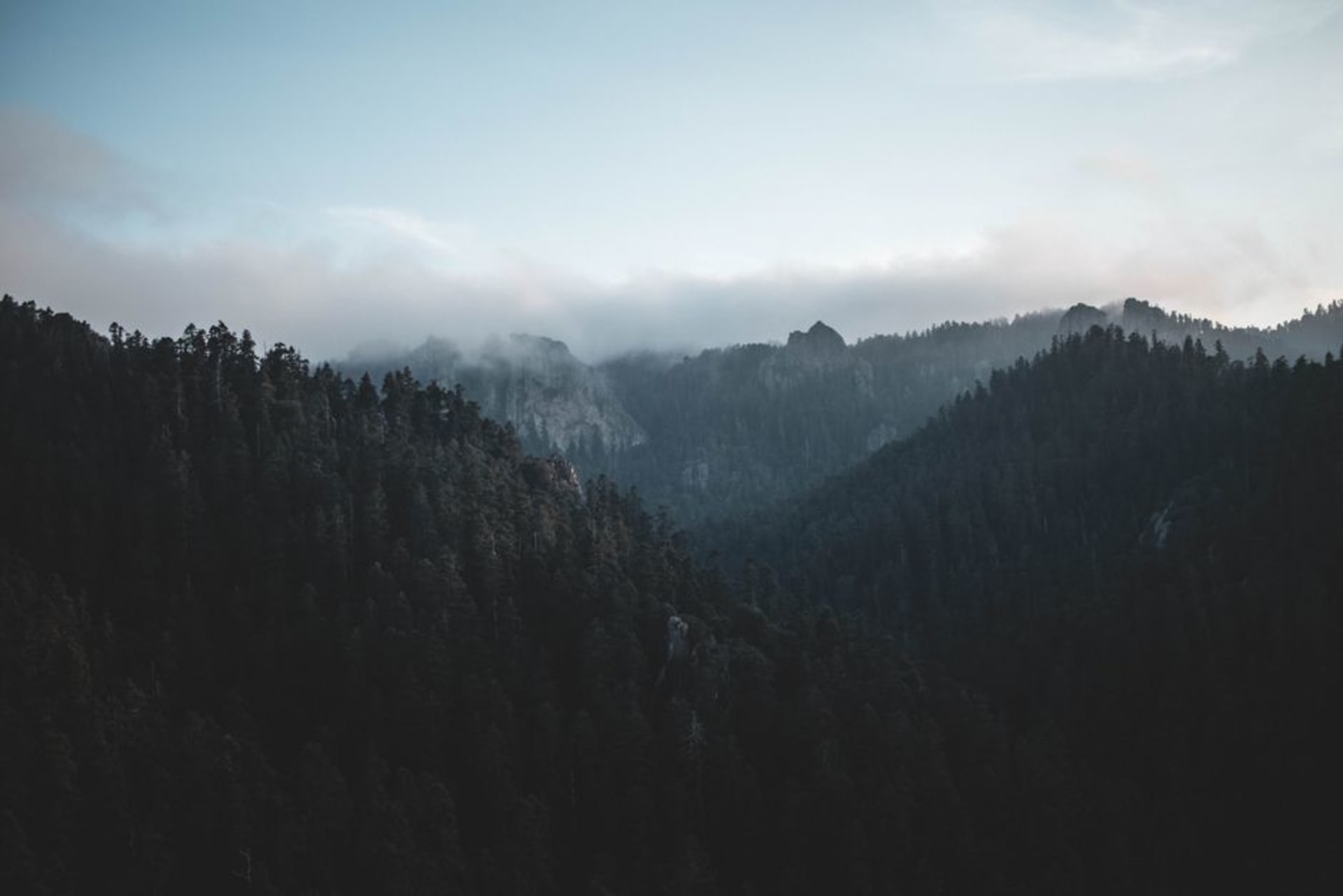
I came to Zacualtipán the first time by accident, really — I was driving north out of Pachuca toward the Huasteca and the road climbed into cloud and I decided to stop for coffee before the descent. What I found was a town that smelled like a carpenter’s workshop the size of a valley. Sawdust and pine resin and woodsmoke, all of it hanging in the cool damp air at fourteen hundred-something meters. I never made it to the Huasteca that day. I stayed, walked the streets until my jacket was beaded with mist, and drove home with a small pine table I hadn’t known I needed.
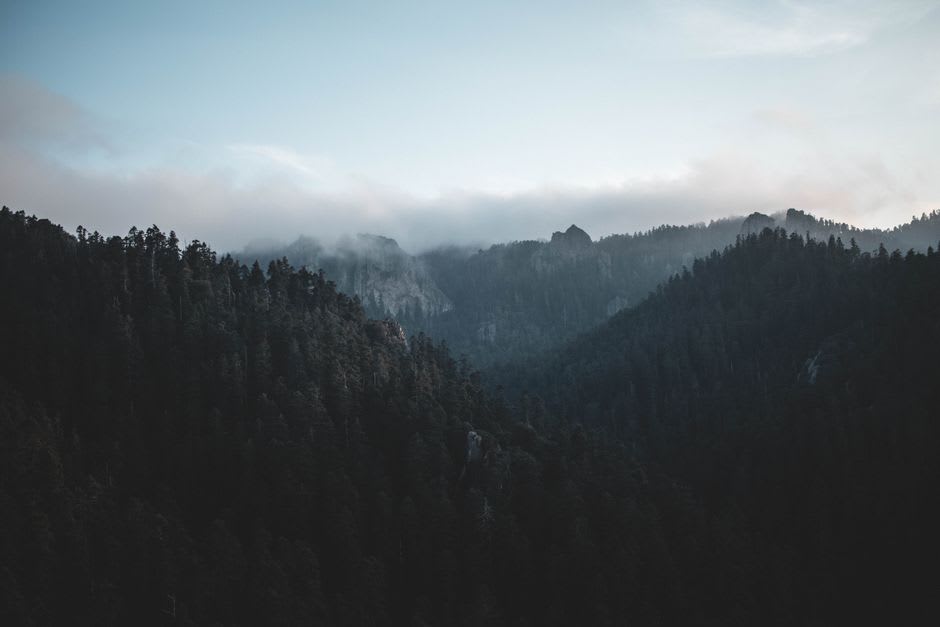
Zacualtipán de Ángeles sits on the ridgelines of the Sierra Alta de Hidalgo, that high cool country of pine and cloud forest before the mountains break and tumble down into the humid green of the Huasteca. It is not a town that performs for visitors. It works. And that, for me, is exactly the appeal.
The Furniture Town
Half of Mexico’s living rooms, I sometimes think, were born in Zacualtipán. The town is known across the country for its furniture — the workshops line the approach roads and spill through the neighborhoods, and on any given morning you’ll hear the whine of saws and the tap of hammers before you’ve had your first coffee.
I like to walk the carpentry streets slowly. The doors are open, the sawdust drifts out onto the pavement, and inside men are planing pine boards that were standing in the sierra a few weeks earlier. There’s no showroom polish to most of it — it’s headboards and dining tables and armoires stacked to the ceiling, the smell of fresh-cut wood and varnish so thick you can taste it. I’ve never once been shooed away for looking. More than once I’ve been handed a stool and a story.
The Ex-Convent and the Plaza
At the heart of town stands the old Augustinian ex-convent, one of those massive sixteenth-century stone foundations the friars planted all across this part of Hidalgo. It has the thick walls and severe arches of its age, and on a cold morning with the mist pressing against the stone it feels genuinely old — not restored-for-photos old, but weathered by four centuries of sierra weather.
I like the plaza in the late afternoon, when the workshops quiet and people come out to sit. There’s a particular pleasure to a highland Mexican square at that hour: the cold coming down off the pines, someone selling tamales and atole from a cart, the church bells rolling across the rooftops. I usually buy a cup of atole, wrap both hands around it, and just watch. Nobody is in a hurry here, and after a while neither am I.
Where the Sierra Falls Away
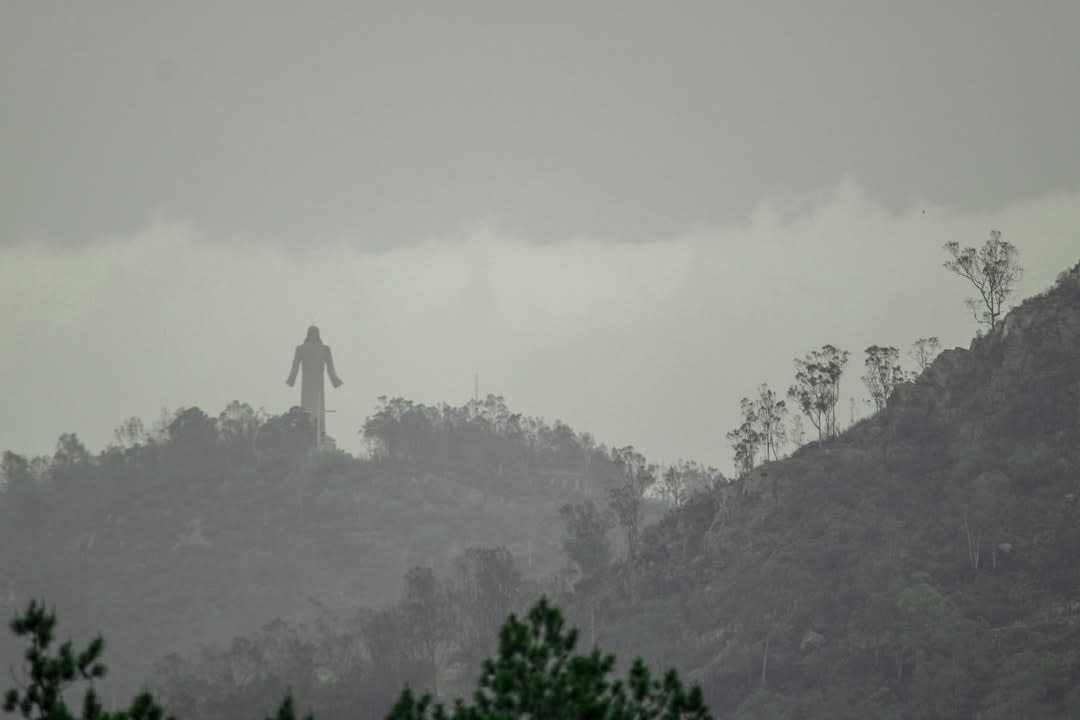
What keeps pulling me back to Zacualtipán is its geography — it’s a threshold town. Behind it, to the south and west, is the cold pine country of the high sierra. Ahead, the land drops. Drive a little past the edge of town toward the miradores and you can stand where the pine forest ends and watch the ridgelines march down into the Huasteca, green upon green, half-swallowed in cloud.
I’ve stood at those edges on mornings when the whole valley below was a sea of white, only the highest ridges breaking through like islands. It is the kind of view that makes you understand why the old road-builders and the friars and the carpenters all settled up here in the cool. Zacualtipán is the last cold breath before the tropics — and knowing that, standing on that line, is worth the drive by itself.
Getting There
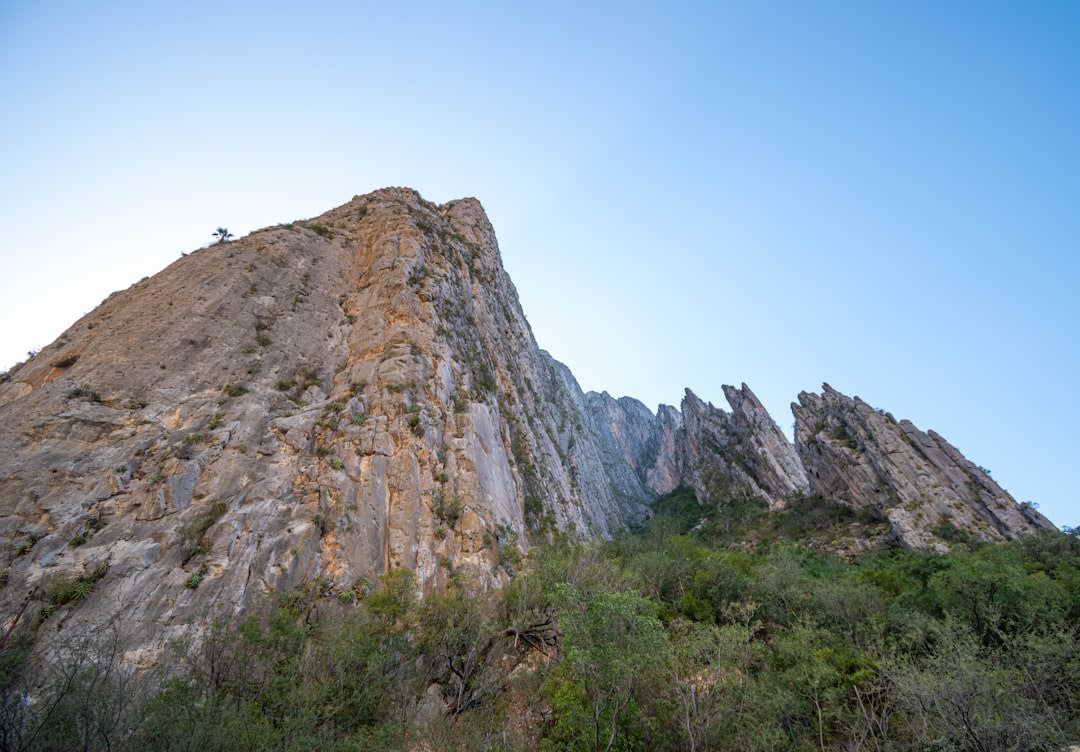
Zacualtipán is about two and a half hours north of Pachuca by the mountain highway, and roughly four hours from Mexico City if the traffic out of the capital is kind. Buses run from Pachuca’s main terminal several times a day; if you’re driving, the road is paved but winds hard through the sierra, so give yourself time and don’t plan on speed. Bring a jacket regardless of season — the town sits high and the mist keeps it cool and damp much of the year. October through April brings the clearest ridgeline views; the rainy months turn the whole sierra a deep dripping green, which has its own quiet appeal. Most travelers pass through on the way to the Huasteca, but I’d argue Zacualtipán earns an unhurried afternoon of its own.