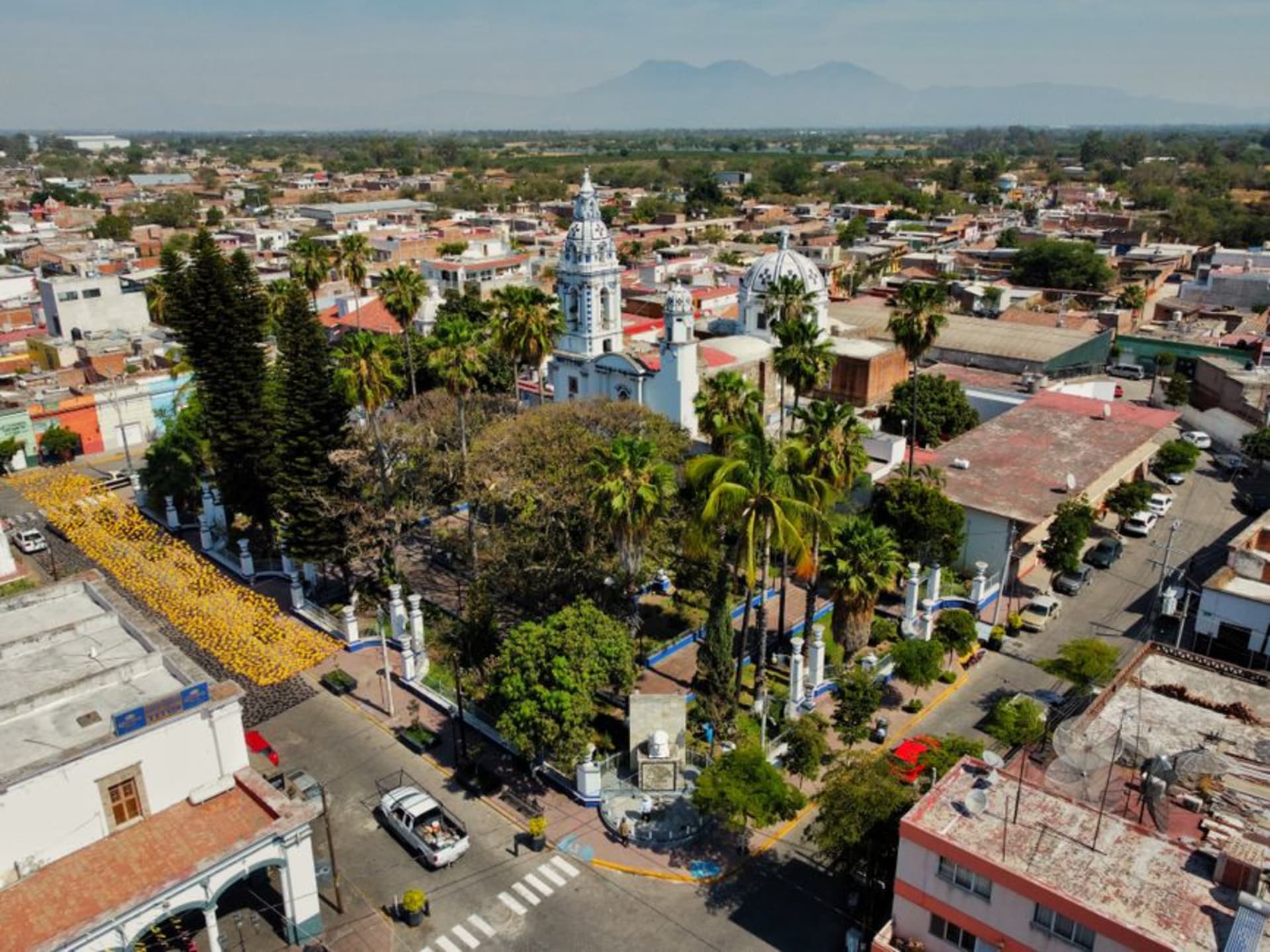
I came to Tulancingo on a Saturday by accident, which turned out to be the correct way to arrive. I had a bus connection to make and a few hours to fill in Pachuca’s shadow — or so I thought. Three hours became an afternoon, the afternoon became dinner, and by the time I found my way back to the terminal I had a bag of dried chiles I didn’t need and a very clear sense that Tulancingo is one of those Mexican cities that rewards the person who stops treating it as a stop.
The Market That Explains Everything
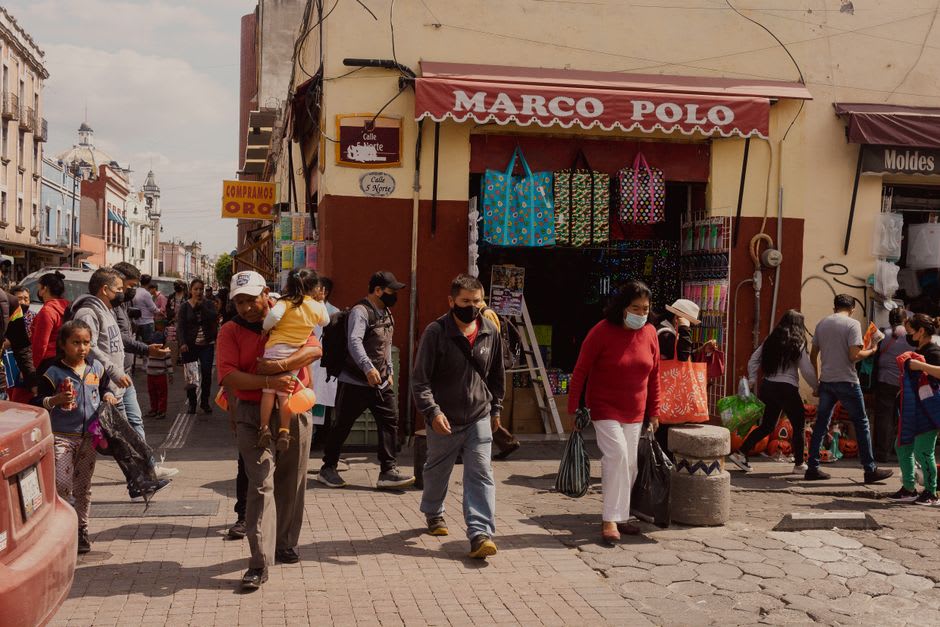
The Mercado Municipal on a Saturday morning is organized chaos of the best kind. Vendors from the surrounding valley arrive early with produce that hasn’t traveled far — quelites still dusty from the milpa, chiles anchos stacked like dark leather, avocados from the lower sierra that are ripe to the point of urgency. In the back section, past the textile stalls where women sell woven rebozos in indigo and ochre, the food corridor runs loud and warm from about seven. I ate my first meal standing at a narrow counter run by a woman whose name, according to the hand-lettered sign behind her, was Señora Carmen: a plate of barbacoa de borrego pulled from an underground oven, served with consomé poured from a clay pot, and three tortillas pressed on the comal to my left. There is nothing complicated about this. It is simply very good, in the way that things cooked by someone who has been at it since four in the morning tend to be.
A Valley That Remembers the Toltecs
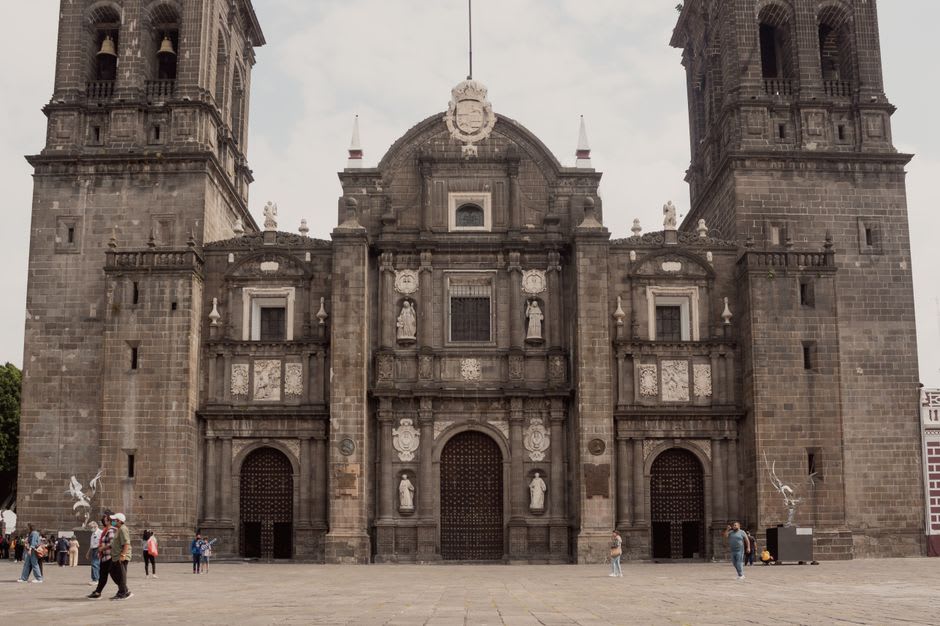
Tulancingo — from the Nahuatl Tollantzinco, meaning something like “near Tollan” — predates the Spanish colonial project by several centuries. The Toltecs established a significant presence in this valley before Tula became their principal city, and the archaeology, while not as dramatic as Tula’s famous warrior columns, gives the place a layered weight you feel even walking the zócalo. The Catedral de la Asunción de María is an imposing thing — late colonial, its pale stone facade reading like a declaration of intention rather than an invitation. I spent an hour inside on a weekday afternoon when I had it nearly to myself, the light coming through the side windows at a low angle that made the gilded altarpieces look genuinely beautiful rather than simply old. Tulancingo has none of Pachuca’s recent renovation money, which means the historic center still has the slightly frayed, inhabited quality of a city that belongs to the people living in it rather than to any tourism board. That is not a complaint.
What to Eat, and Where to Drink It
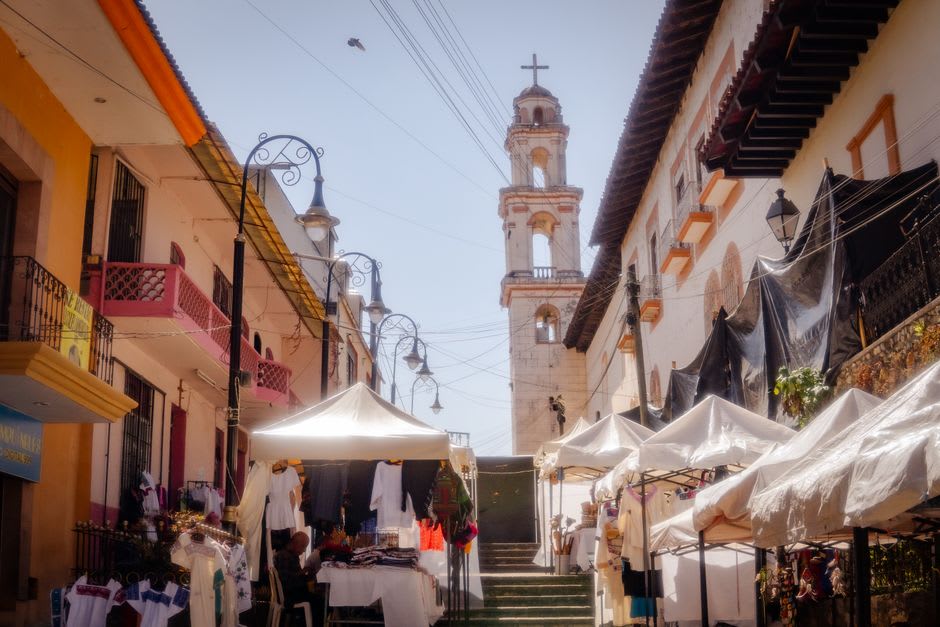
Beyond Saturday’s barbacoa, the thing to find in Tulancingo is mixiotes — lamb or chicken steamed in maguey paper with guajillo and epazote until the meat falls apart at a look. Several fondas along Calle Juárez do them on weekends; ask for the consomé on the side. For pulque, the Hidalgo valleys grow some of the finest maguey in the country, and you will find curados — fermented and flavored with guayaba or apio — at the market and at a handful of pulquerías in the streets north of the cathedral. I had a glass of apio pulque at a place with no sign and three plastic chairs that remains, without question, one of the stranger and more enjoyable drinks I have had anywhere in Mexico.
Getting There
Tulancingo is roughly two hours northeast of Mexico City by ADO or Estrella Blanca from the Terminal de Autobuses del Norte. From Pachuca — Hidalgo’s capital — it is about forty minutes by combi or second-class bus, departing regularly from the central market area. The city is compact enough to walk once you arrive; the market, the cathedral, and most of the fondas sit within ten minutes of the zócalo.