Tecozautla
"The whole valley smells faintly of minerals and hot stone. You soak, you eat, you soak again."
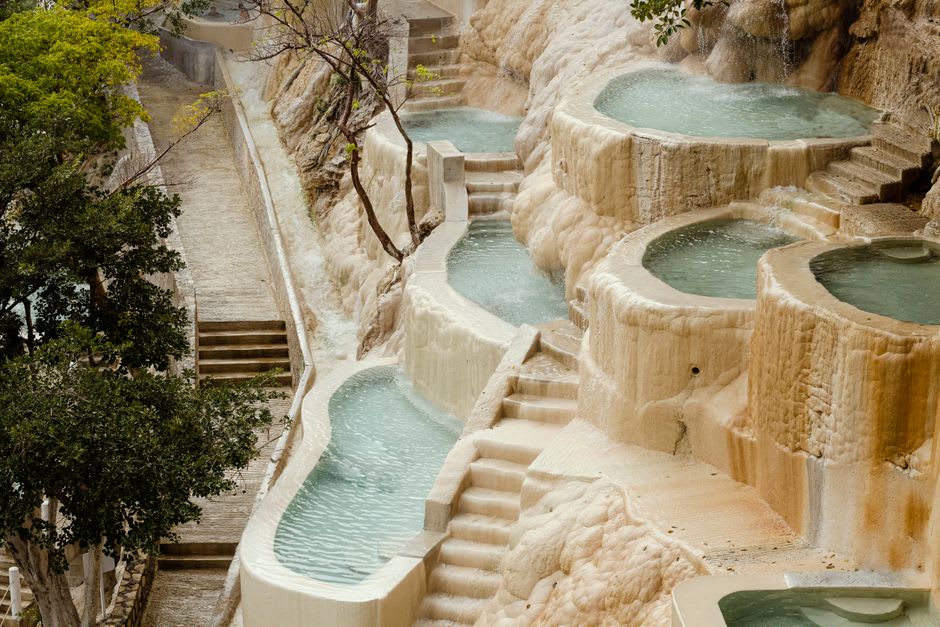
Some weekends I don’t want a revelation. I want warm water, a slow lunch, and a plaza where nothing is required of me. Tecozautla is where I go for exactly that. I drove up from Querétaro on a Friday with no plan beyond soaking, dropped down into the dry northwest of Hidalgo where the land goes the color of a lion and the agaves stand in rows, and by early afternoon I was shoulder-deep in mineral water that came out of the ground hot. I stayed two nights and accomplished, gloriously, almost nothing.
The Geyser and the Steaming Ground
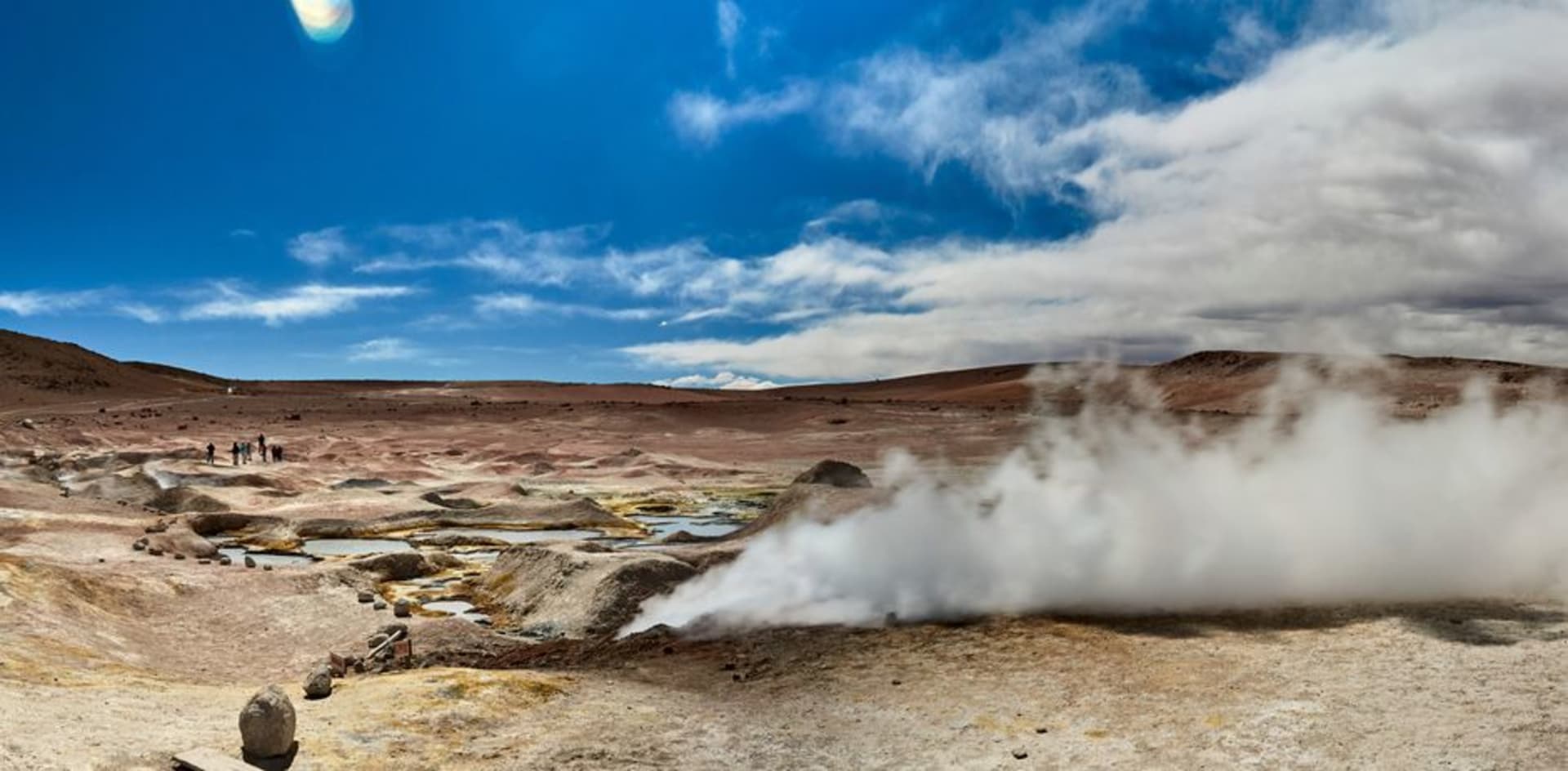
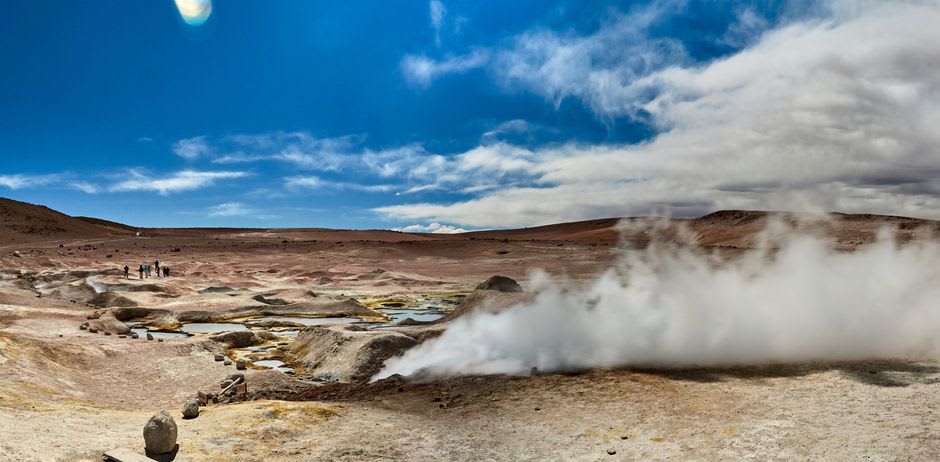
Tecozautla’s strangest asset is its geyser — El Geiser — out in a geothermal field where the earth vents steam and hot water into a landscape that is otherwise bone dry. I went in the cool of morning, when the plume shows best against the sky, and stood there a while just watching the ground breathe. It reorders your sense of a place: this dusty valley of agave and mesquite turns out to be sitting on a kettle. The balnearios all draw from the same underground heat, which is why half the region seems to be plumbed for soaking. I filled a bottle at a spring, too hot to hold, and understood why people have been coming to this water for a very long time.
Agave, Pulque, and a Surprising Glass of Wine
This is pulque country, and I mean that in the old sense — the maguey stands in the fields aren’t decorative, they’re worked. I stopped at a roadside spot where a man drew fresh pulque from a barrel, thick and faintly sour and alive, and watched me take my first sip with the patience of someone who has watched many outsiders make many faces. But the surprise of the region is what’s coming up alongside the agave: young vineyards, warm dry days and cool nights, a handful of small producers making wine that has no business being as good as it is this far from anywhere famous. I bought two bottles from a family operation and drank one that night on my hotel roof, watching the dry hills go purple.
The Plaza and the Art of Doing Nothing
Tecozautla earned its Pueblo Mágico label without trying too hard to look the part, and I mean that as praise. The plaza is unhurried, shaded, arcaded on one side, with a clock tower and the ordinary commerce of a small Hidalgo town going on around it. I ate barbacoa on a Saturday morning that was among the best I’ve had in Mexico — pit-cooked, pulled, wrapped in tortillas made by hand three feet away — and then I sat on a bench and let the whole thing digest for an hour while old men argued about something and children chased a dog. There is a specific pleasure in a town that gives you permission to be idle. Tecozautla is generous with that permission.
Getting There
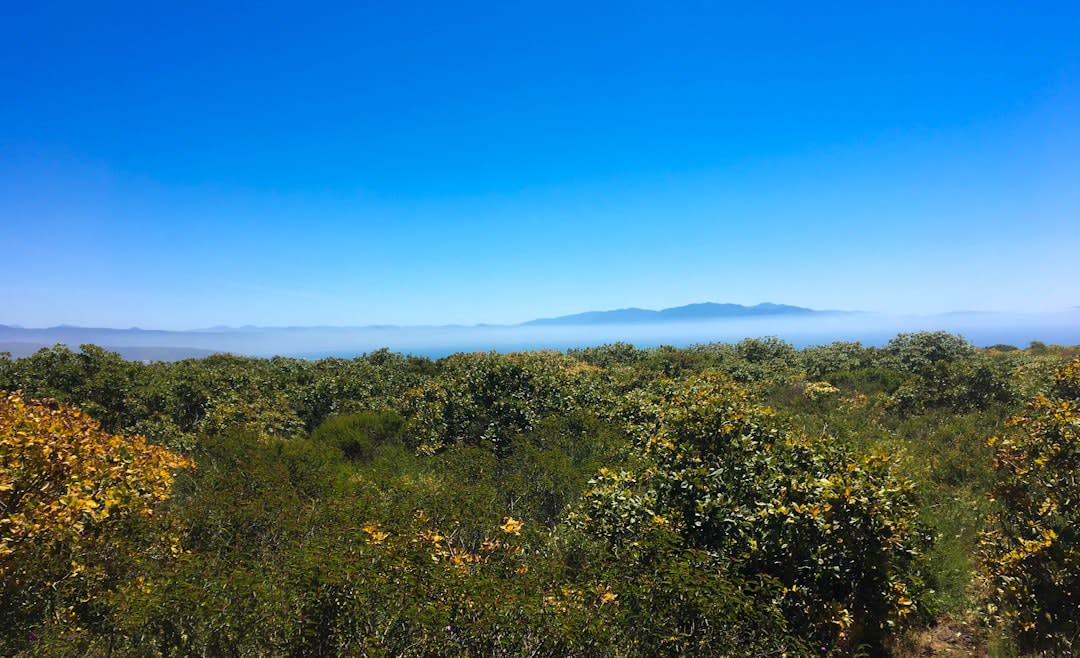
Tecozautla sits in the semi-arid northwest of Hidalgo, well placed as a weekend from either Querétaro (about two hours) or Mexico City (roughly three to four by toll road via Pachuca or Ixmiquilpan). Buses reach the town, but a car lets you drift between the geyser, the balnearios, and the vineyards on your own clock, which is the entire point. Come in the drier, warmer months for the full soak-and-sun effect; bring a swimsuit, cash, and no ambition whatsoever. The whole region runs on warm water and slow lunches, and the only mistake you can make is trying to see it quickly.