Singuilucan
"Up here the sky does most of the work. The land is flat and open and the maguey goes on forever, and above it all is that huge, cold Altiplano blue."
The first time a friend poured me pulque straight from the tinacal near Singuilucan, I made a face I’m not proud of. It’s a strange drink for the uninitiated — thick, sour, faintly alive, nothing like the sweet stuff sold in the city. But my friend just laughed and told me to have a second cup, because the first is only your tongue arguing and the second is when you actually taste it. He was right. By the third I understood why this cold high country has been drinking it for a couple of thousand years.
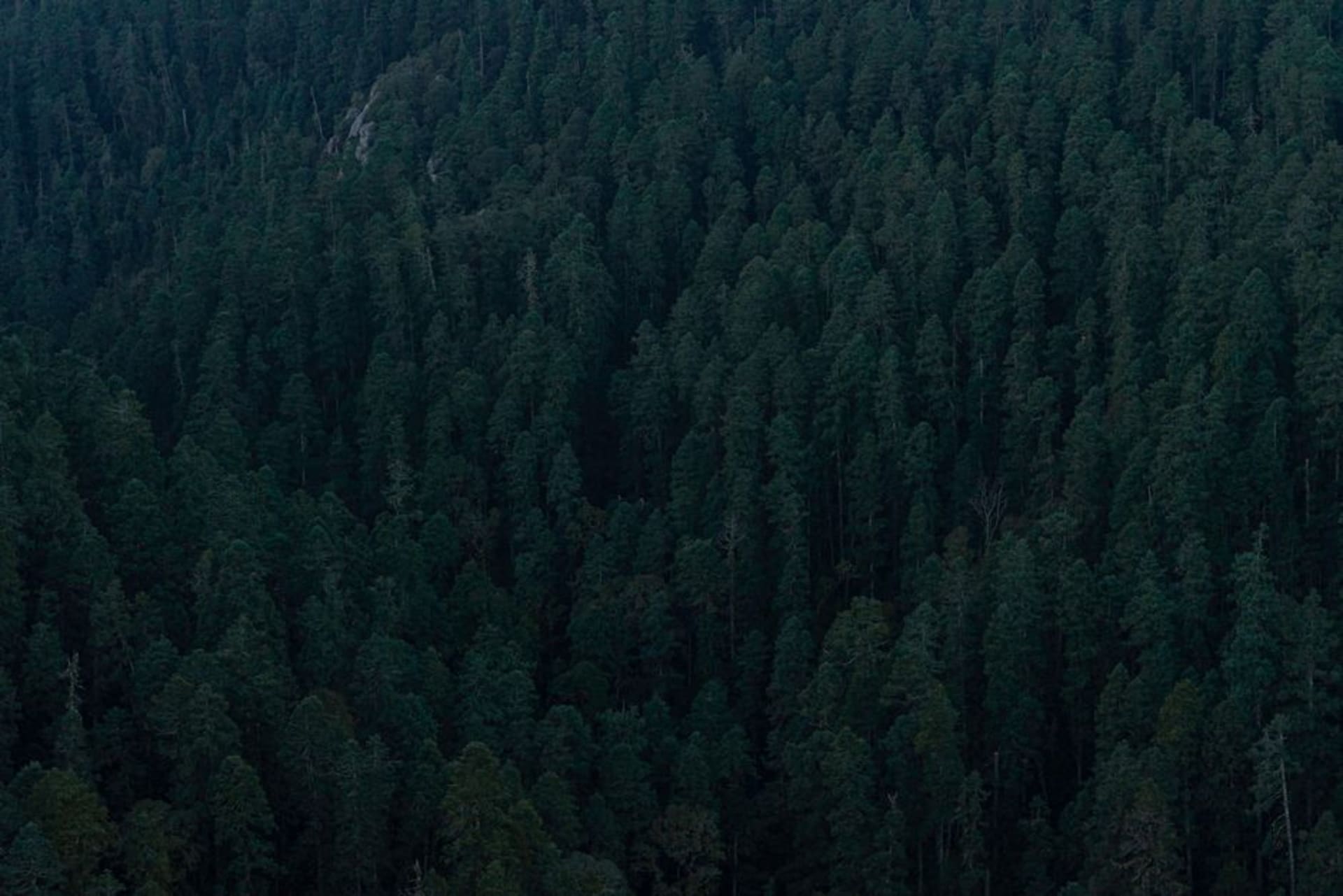
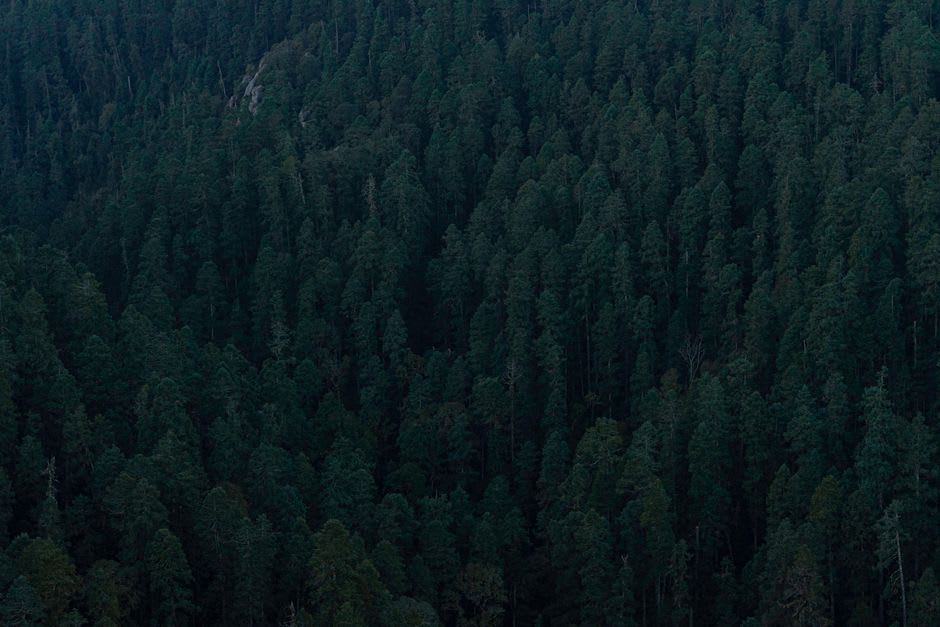
Singuilucan sits on the southeastern edge of Hidalgo’s Altiplano, high and cold and open, where pine forests fringe the hills and maguey marches across the plains in blue-grey rows. This is pulque country in the old, deep sense — the landscape and the drink are the same story — and it’s one of my favorite corners of Hidalgo precisely because so few people think to stop here.
The Altiplano Sky
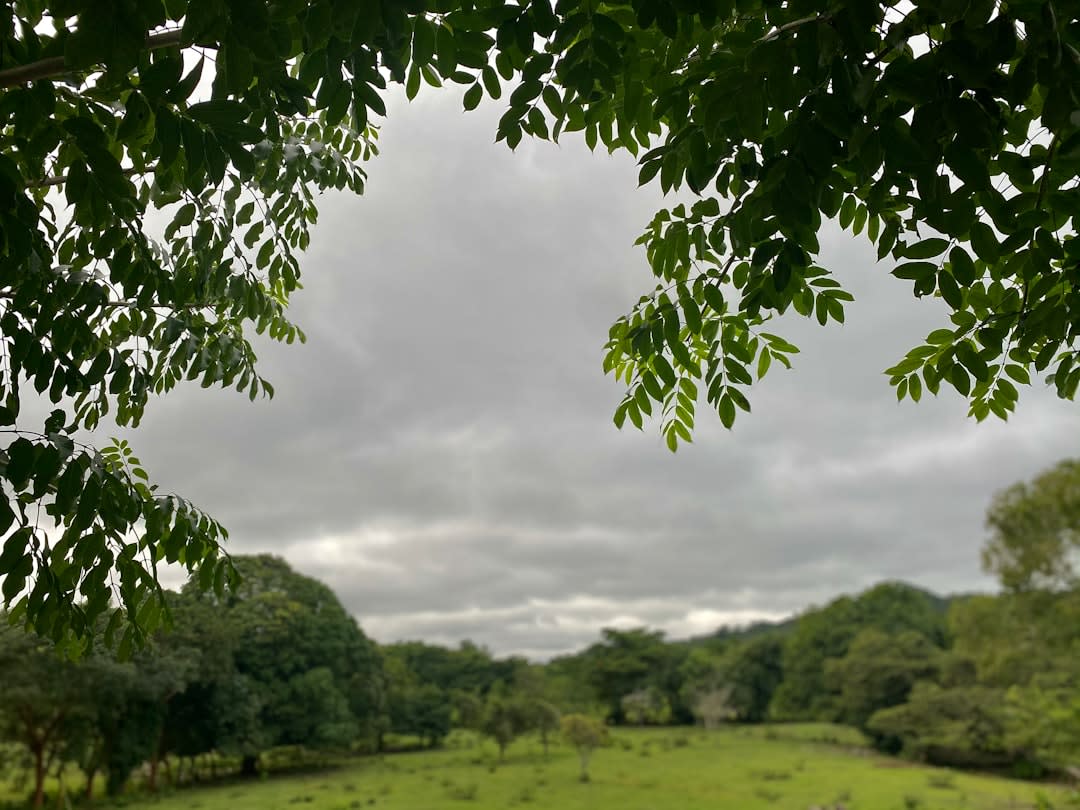
What I remember most about Singuilucan is the sky. Up on the Altiplano the land is flat and the horizons run out forever, so the sky becomes the main event — enormous, clear, a cold hard blue by day and an absolute riot of stars by night. The air is thin and clean and it bites a little, and everything feels scoured and bright.
I’ve driven the plains around here at that golden hour before sunset, when the low light turns the maguey silver and throws long blue shadows across the fields, and I’ve had to pull over more than once just to stand in it. Bring a warm layer — this is high country and the temperature drops the moment the sun goes — but come for the light. On the Altiplano, the sky does most of the work, and the work it does is spectacular.
Maguey and Pulque
The maguey — the great agave whose sap becomes pulque — is everything here. It stands in patient rows across the plains, and where you find maguey on the Altiplano you find the old pulque haciendas, some crumbling, some still working, all of them tied to a way of life that predates almost everything else in the valley.
I love watching a tlachiquero work — the man who scrapes the heart of the maguey and draws off the sweet aguamiel with a long gourd, the way it’s been done for generations. The aguamiel ferments into pulque within a day, which is why you can only really drink the good stuff near where it’s made. Sit in a tinacal on the plains near Singuilucan with a cup of it and some fresh cheese and tortillas, and you’re tasting something the Altiplano has been making since long before the Spanish arrived. It’s an acquired taste. Acquire it.
The Ex-Convent
At the center of town stands Singuilucan’s colonial ex-convent and church — a substantial stone foundation from the great sixteenth-century wave of monastery-building that swept across this part of central Mexico, later dressed with baroque flourishes. It’s a handsome, weighty thing, the kind of building that anchors a highland town, and against the enormous Altiplano sky its towers stand out for miles.
I like to step inside out of the wind — these old convents hold a particular cold, thick-walled silence — and then come back out to the plaza and let the big sky swallow me again. There’s a nice contrast to Singuilucan: the enclosed hush of centuries-old stone, and then the vast open plains and the pulque and the light. Most travelers barrel straight past on the highway toward somewhere else. Their loss. This quiet baroque town, planted in the maguey and the cold, has always struck me as one of Hidalgo’s honest pleasures.
Getting There
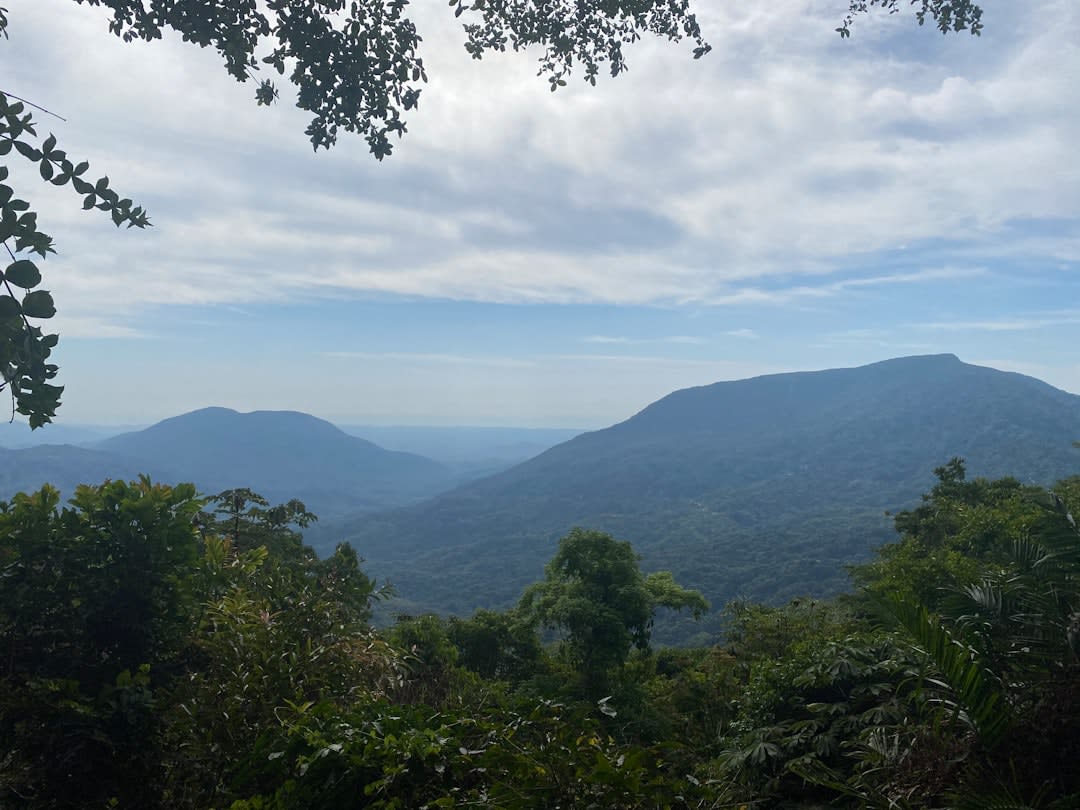
Singuilucan sits just off the highway that runs southeast from Pachuca, an easy forty-five minutes to an hour from the Hidalgo capital and roughly two hours from Mexico City by toll road. Buses toward Tulancingo and the eastern part of the state pass close by; driving gives you the freedom to wander the maguey plains and seek out a working hacienda, which is really the point. Dress warmly whatever the season — the Altiplano is high and cold, especially once the sun drops — and try to time an afternoon so you catch the low golden light across the fields. And if someone offers you pulque straight from the vat, take it, make your face, and then have the second cup. That’s when Singuilucan starts to make sense.