Metztitlán
"The canyon walls fell away so sharply I half-expected the monastery below to be a mirage. It wasn't, and nobody else was there to see it either."
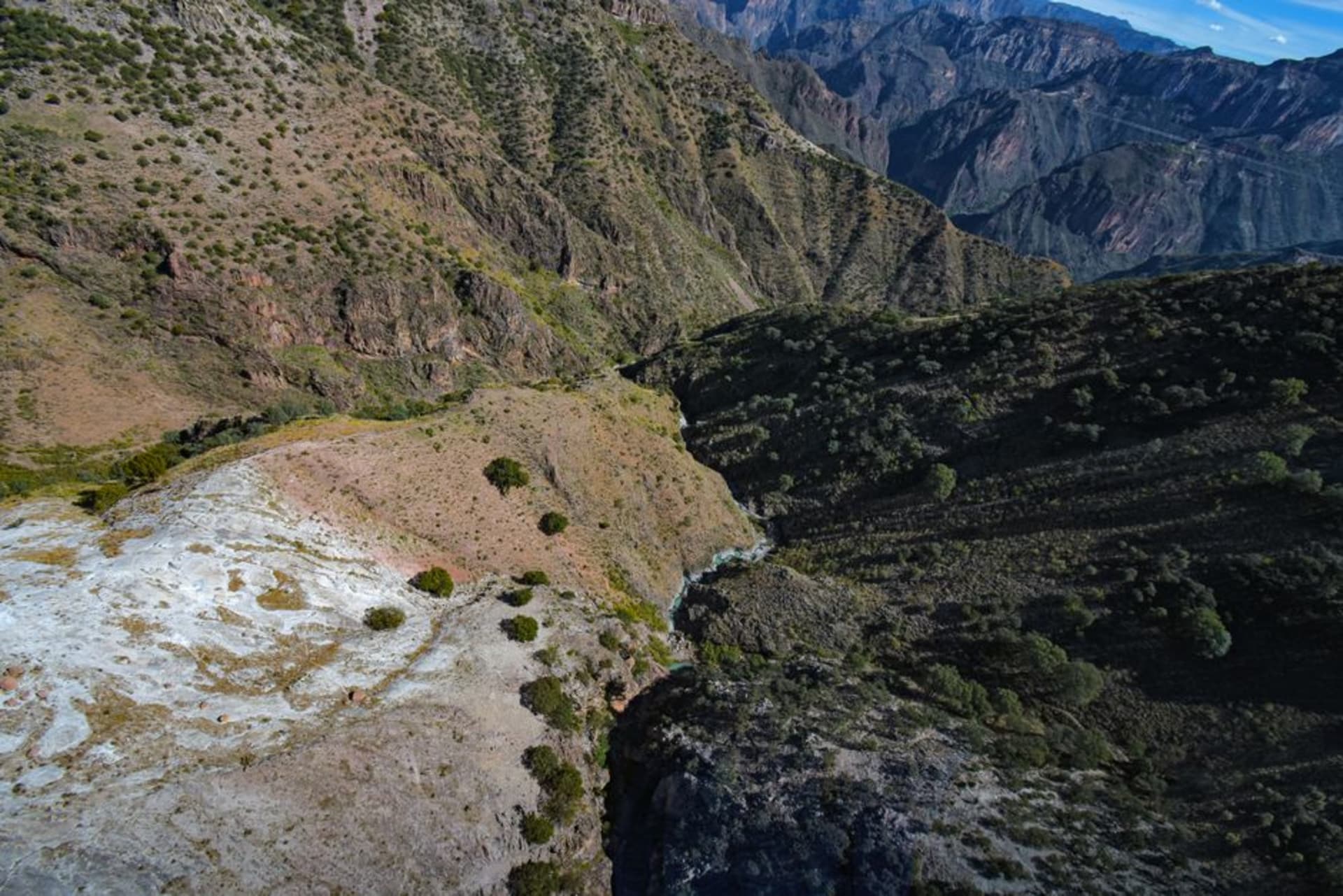
The road into Metztitlán announces itself gradually, then all at once. There are switchbacks somewhere past Zacualtipán where the road bends back on itself and the canyon opens below: a pale convent impossibly placed at the floor, ringed by rock walls that lean over the valley like something geological and unmoved. I pulled over. A truck passed going the other direction. Otherwise nothing moved — no other tourists, no signage pointing at anything, just the wind climbing the Barranca and the monastery sitting in four hundred metres of silence below me.
The Convent That Shouldn’t Be There
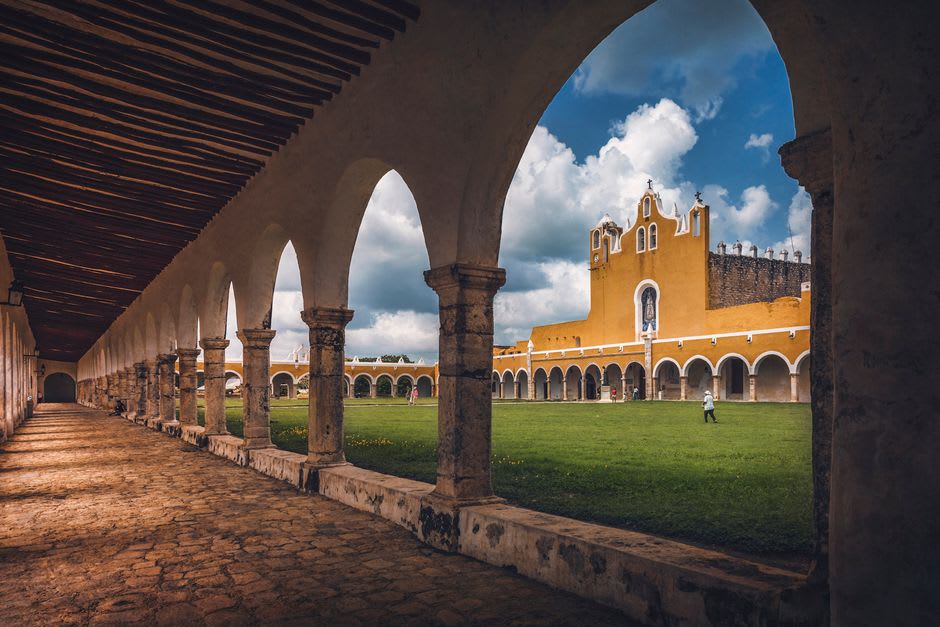
The Ex-Convento Agustino de San Juan Bautista was built in the 1540s, which means the Augustinians looked at this canyon — severe, remote, difficult to reach by any reasonable standard — and decided it was exactly right. The name Metztitlán means “place of the moon” in Nahuatl, and the town had been an important pre-Hispanic settlement precisely because the Barranca created a defensible, climatically distinct pocket in the middle of an arid plateau. The friars, as was their habit, built directly over that significance.
What surprises you, walking through the atrium, is the scale. The portería arch is enormous, the kind of proportioning that reads as confidence or as a statement made to an audience that wasn’t entirely convinced. Inside, the nave holds cool air and quiet in equal measure. The retablo is heavily restored but the bones of the place carry weight. I was there on a Tuesday morning in April and I had the entire complex to myself for close to two hours.
The Biosphere Below the Rim
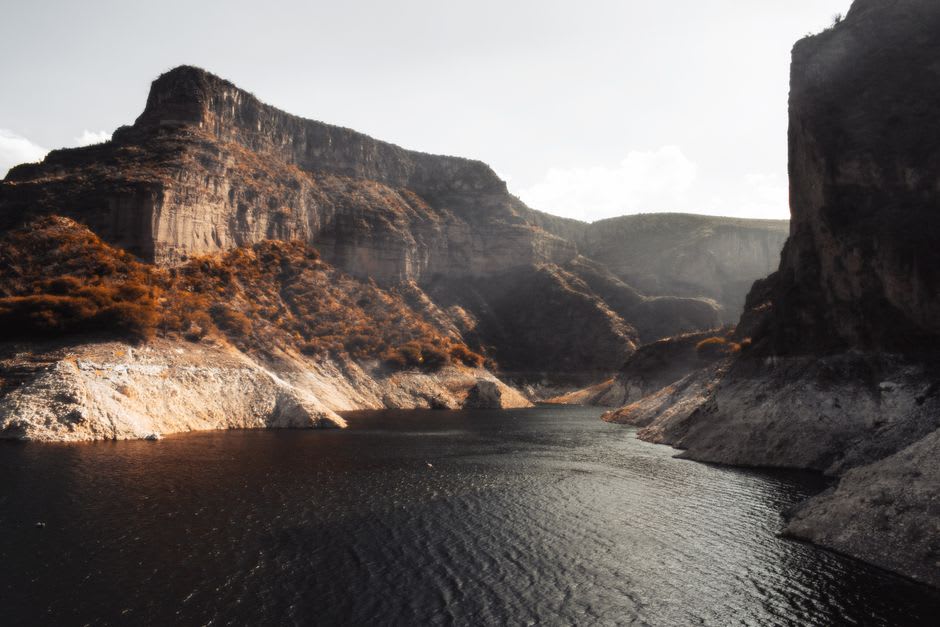
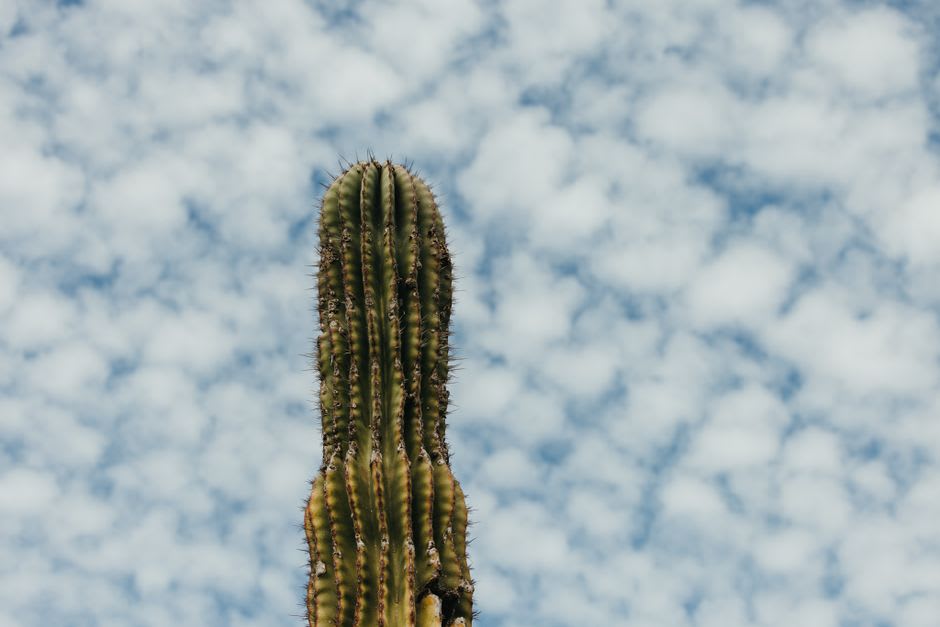
The Reserva de la Biosfera Barranca de Metztitlán covers roughly 96,000 hectares and protects one of the densest concentrations of cactus species in central Mexico. Walking the trails that drop toward the reservoir — a turquoise-green wedge of flat water filling the lowest section of the canyon — you pass columns of cardon, spreading nopal, and biznagas the size of small cars. It is extravagant in a very dry, unshowy way.
The reservoir earns its strangeness: a proper lake at canyon bottom, bordered by cliff face and cactus forest, with almost no infrastructure around it. I swam from a flat rock while a pair of hawks worked thermals above the rim. Nobody else was there to see either of us.
A Comedor Behind the Church
Metztitlán the town is small and runs on its own schedule. The market near the main plaza — more substantial on weekends — is where to find xoconostle salsa, the sour cactus fruit that Hidalgo cooks use the way Oaxacans use chapulines: reflexively, on almost everything. There is a comedor on the lane behind the church where a woman makes barbacoa de borrego on weekend mornings. The broth comes with dried chiles floating in it. Order the consommé before the tacos; eat both slowly. Pulque is available if you know to ask. This is Hidalgo, after all.
Getting There
Metztitlán is roughly three hours from Pachuca by car via Federal Highway 105, passing through Zacualtipán. Buses from Pachuca exist but connections are infrequent and require a transfer. A car matters here: the canyon overlook before the descent is not something you want to rush past. Best months are October through March — summer rains make the canyon roads unpredictable and the heat inside the Barranca punishing.