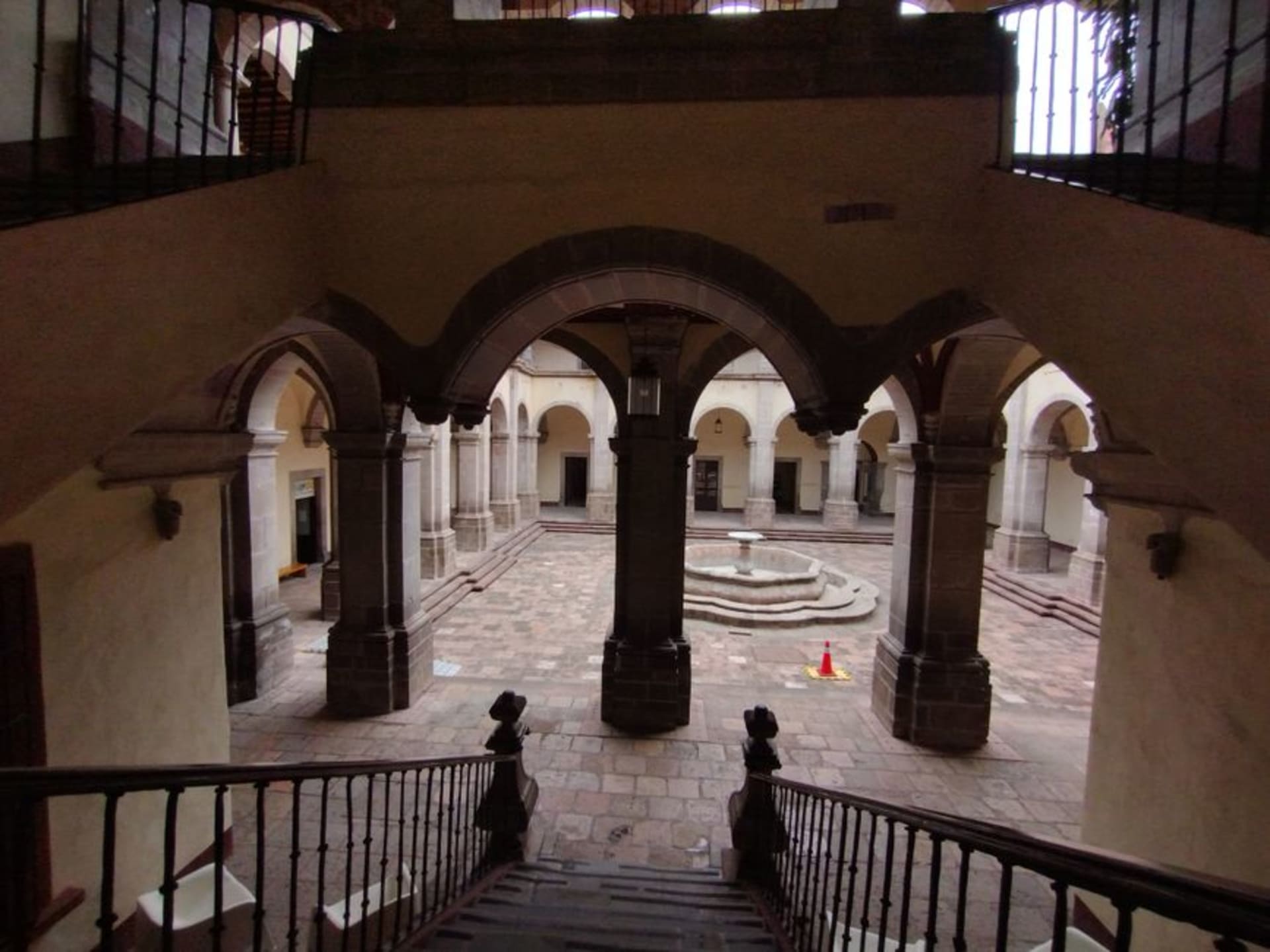
Epazoyucan
"The frescoes in Epazoyucan are faded and uneven and more beautiful for it — some things are better without the restoration budget."
I had read exactly one line about Epazoyucan before I went: “Dominican monastery, 16th century, near Pachuca.” That was enough to justify the combi ride. What the line did not prepare me for was the pace of the place — the way the town square operates at a frequency that makes Pachuca, sixteen kilometers away, feel like Mexico City. I arrived at half past ten on a Tuesday, found a woman selling elotes near the atrium gate, bought one without knowing why I’d need it, and then stood in front of that monastery facade for considerably longer than I’d planned.
The Ex-Convento and Its Frescoes
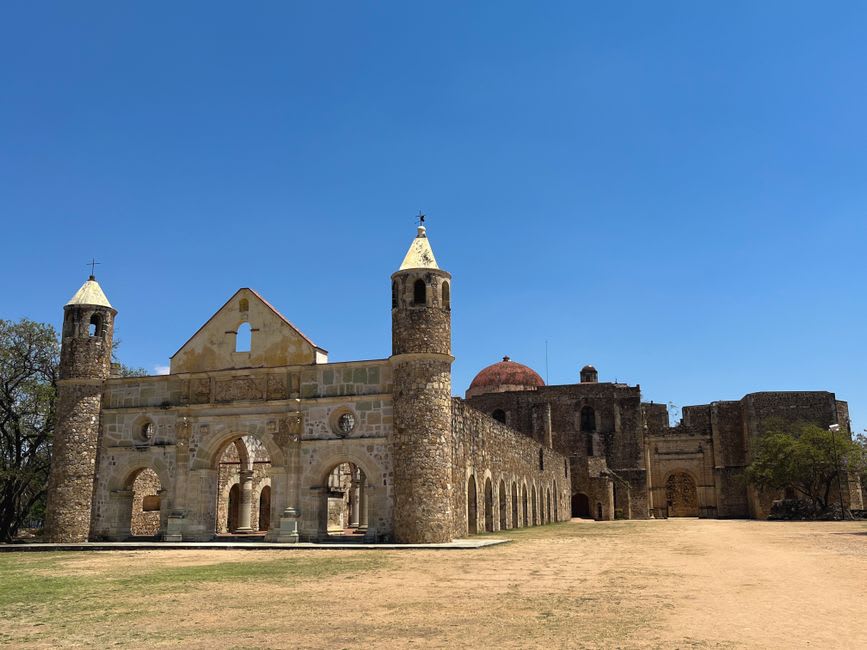
The Ex-Convento de San Andrés was finished in 1548, which means it predates most things that get called “historic” in the places I’ve lived. The Dominicans built it with open-air chapels — capillas posas — at the four corners of a wide atrium, the standard architecture for hosting indigenous converts too numerous to fit inside the church proper. That logic is still legible in the stonework: this building was designed for crowds it no longer receives.
The frescoes are in the cloister. They run along the corridor walls in ochre and red and black, depicting saints and narrative scenes I could only partially identify. Some sections have been cleaned and stabilized; others are simply fading in place, the pigment lifting in ways that no intervention will reverse. The difference between the two states is visible and, I think, part of what makes the whole thing interesting. Restoration has a way of asserting certainty over things that were never certain to begin with. These frescoes still read as documents rather than exhibits.
A cat was asleep on a stone bench in the courtyard when I arrived. It had not moved when I left.
The Town Outside the Walls
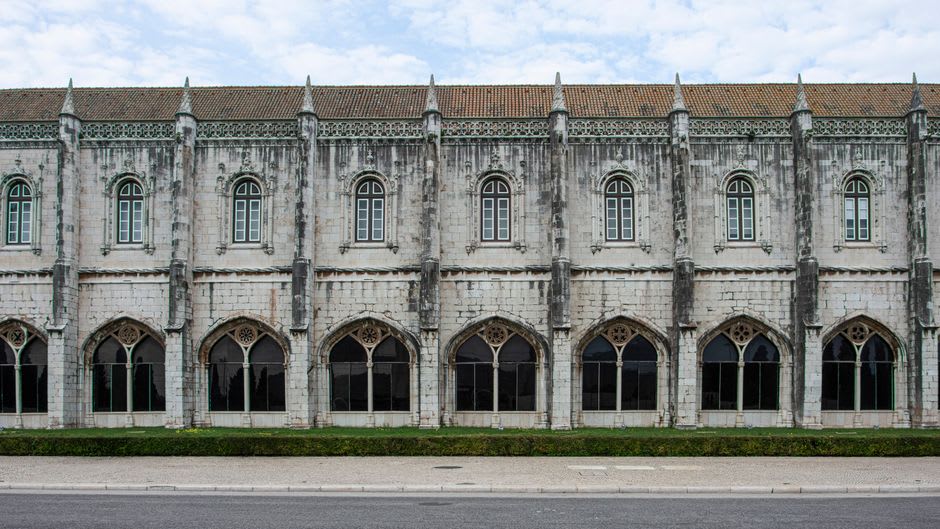
Beyond the atrium, Epazoyucan functions with the particular self-sufficiency of a place that has never needed outsiders to decide it exists. The small market near the jardín is organized the way Hidalgo markets tend to be: carnitas in one corner, fresh cheese sold by the kilo, someone’s grandmother running a counter that only does barbacoa de borrego on Saturday and Sunday mornings — which I discovered too late to properly investigate.
There is a fondita two doors from the atrium entrance. The chalkboard listed arroz con pollo, frijoles negros, sopa de fideos, and something written simply as “caldo.” I ordered the caldo. It arrived as a clear broth with a large piece of chicken and enough vegetables to constitute a position. The kind of thing that takes decades of practice to make taste like it required no effort at all. I ate slowly. The woman running the place was watching a telenovela with the volume low. Nobody was in any hurry about anything.
When to Go and What to Expect
The monastery is open Tuesday through Sunday, roughly nine in the morning to five in the afternoon — though in a town this size, those hours have a negotiable quality, and arriving at the appointed time is no guarantee. Tuesday mornings are close to empty. Sundays bring a mix of local families and day-trippers from Pachuca, particularly if the weather in the city is worth escaping.
If you are the kind of person who needs a courtyard to yourself to think properly, go on a weekday. If you want to see the town actually alive, go on a Sunday and accept the company.
Late November brings the patron saint festival, when the atrium fills with food stalls and the whole register of the place shifts — less contemplative, more communal. Both versions are worth seeing. Bring cash either way. Nothing in Epazoyucan accepts cards, and the nearest ATM is back in Pachuca.
Getting There
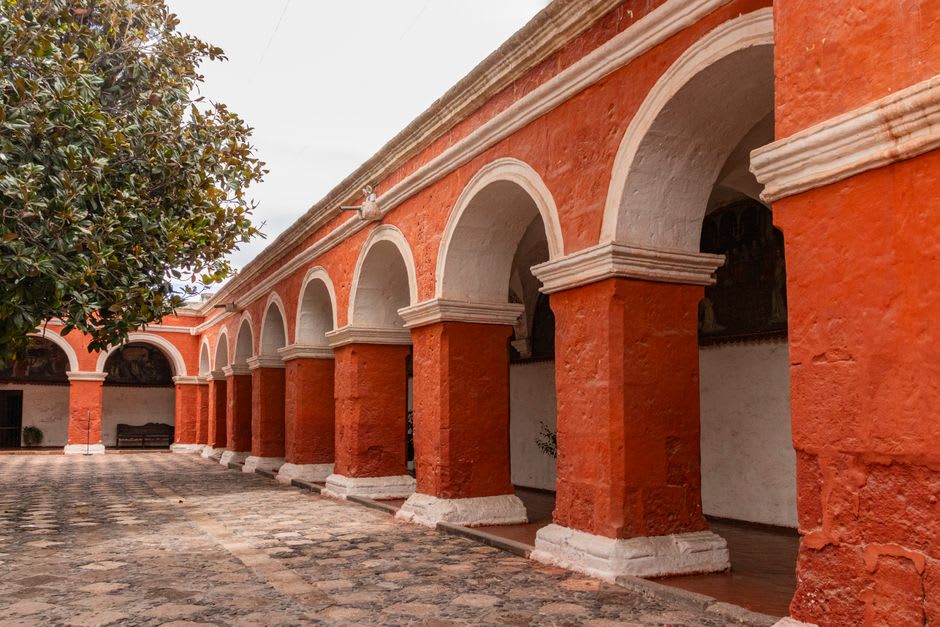
From Pachuca, shared combis leave regularly for Epazoyucan from the area around Avenida Madero — ask for the combi a Epazoyucan, fare around fifteen pesos, twenty to thirty minutes depending on stops. From Mexico City, take a bus to Pachuca first from TAPO or Autobuses del Norte (roughly two hours), then continue by combi. There is no direct connection from the capital.