
Atotonilco el Grande
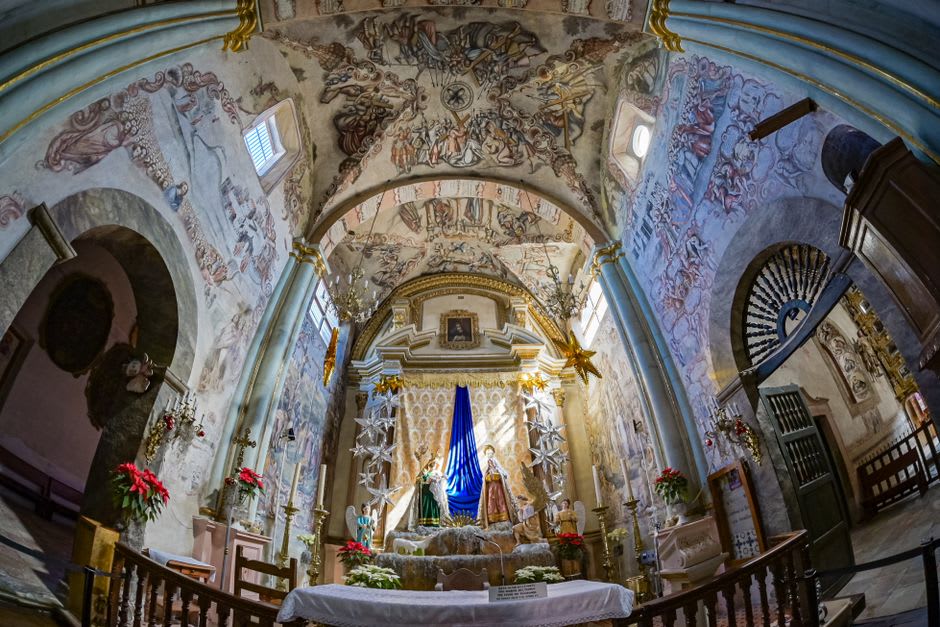
"The convent in Atotonilco el Grande took thirty years to finish in the 1500s — standing inside the open chapel, I understood immediately why they refused to rush."
I came to Atotonilco el Grande because I had spent two nights in Huasca de Ocampo and noticed that nobody at the guesthouse breakfast table was talking about it. Every conversation was about the same prisms, the same waterfalls. That deliberate silence felt like a recommendation. I arrived on a Tuesday, mid-October, when the light in Hidalgo carries a particular lucidity that comes after the first real cold — the kind that makes colonial stone look recently quarried. A woman was selling gorditas from a cart near the church steps. I bought one before I even looked at the convent.
Thirty Years in Stone
The Ex-Convento de San Andrés took the Augustinians roughly three decades to complete, beginning around 1540. That timeline becomes physically legible once you stand inside the open chapel — one of the capillas de indios built specifically so that indigenous converts could participate in Mass without entering the enclosed European nave. The scale of it is not obvious from photographs. The arch is wider than it has any reason to be, the stonework carved with a deliberateness that communicates something between confidence and stubbornness. I spent a while in there just looking upward, the way you do in spaces that were built to outlast every practical justification for building them.
The main church attached to the convent is darker and more conventional — beautiful in the way that Augustinian churches in central Mexico reliably are, with that particular quality of light falling through narrow windows onto worked stone floors. But it was the open chapel that pulled me back twice before I left, that singular combination of scale and exposure that made the thirty-year construction timeline feel not excessive but entirely reasonable.
The Town’s Own Business
Atotonilco el Grande is not performing for visitors, which is perhaps the most useful thing about it. The market near the central plaza runs best on Sunday mornings, when vendors from surrounding rancherías arrive with dried chiles, maguey products, and cuts of barbacoa that have been in the pit since before dawn. The barbacoa here follows the Hidalgo style — lamb wrapped in pencas de maguey, slow-cooked underground — and is served with consommé that arrives in a clay bowl so hot you have to wait, which forces a useful pause.
I ate at one of the comedores that opens onto the market, where the menú del día was caldo tlalpeño followed by enchiladas with salsa verde and a wedge of queso fresco that had clearly been made within the previous forty-eight hours. The pulque appeared without my asking, cloudy and faintly sweet, the kind of unsolicited gesture that means the comedor has made a judgment about what you need. They were right.
The Barranca Below
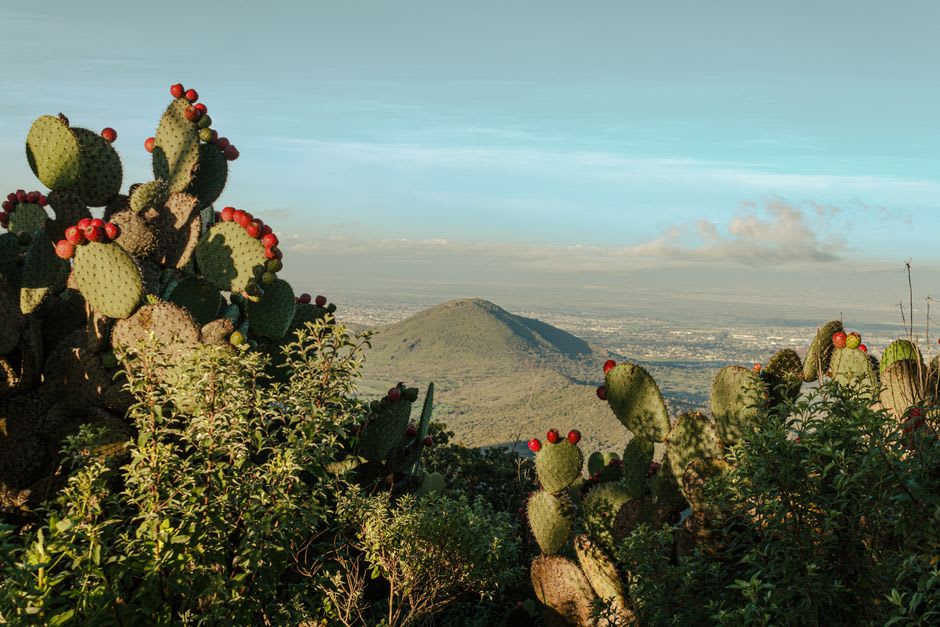
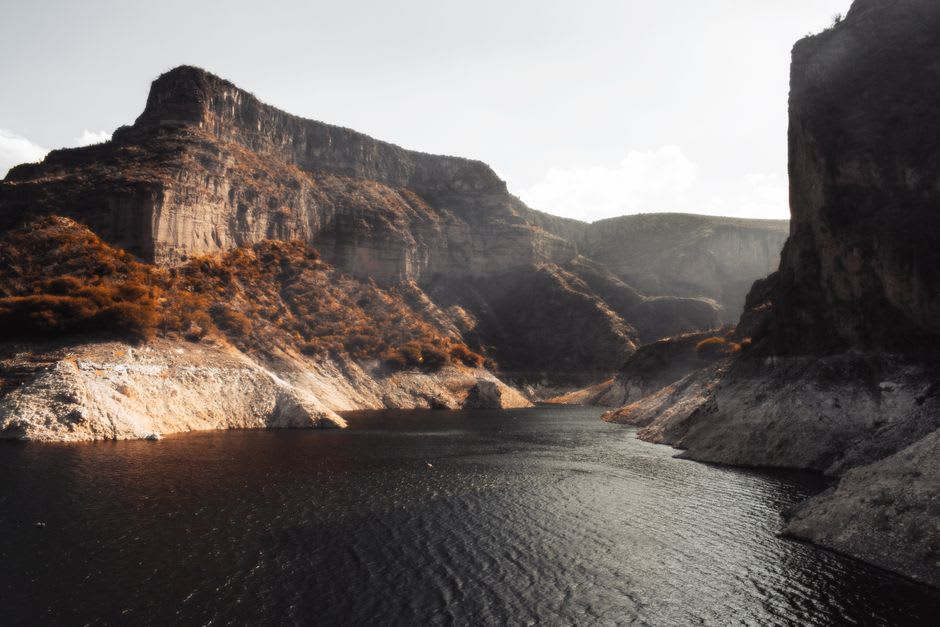
The Barranca de Metztitlán begins roughly twelve kilometers north of town, a canyon system of surprising depth that Hidalgo has been quietly developing into an ecological reserve. The drive alone is worth the time — the road drops through layers of dry scrub and organ cactus that feel increasingly otherworldly the further you descend. Most visitors to Huasca never make it this far, and the reserve tends to be empty on weekdays. I went in the late afternoon, when the canyon walls catch a raking light and the shadows from the cardonales grow long and specific. Give yourself two hours minimum, more if you want to reach the reservoir at the canyon floor.
Getting There
Atotonilco el Grande is about ninety minutes northeast of Pachuca by road, and roughly three hours from Mexico City via the 85D toward Tampico. Buses run regularly from Pachuca’s central bus station. The town itself is walkable once you arrive. October through March offers the clearest skies, though the summer rains turn the barranca canyon an unlikely shade of green that is worth seeing at least once.