Pie de la Cuesta
"There is a beach on the left, there is a lagoon on the right, and the strip between them is barely wide enough for a road and a row of palapas. The Pacific is loud. The lagoon is silent."
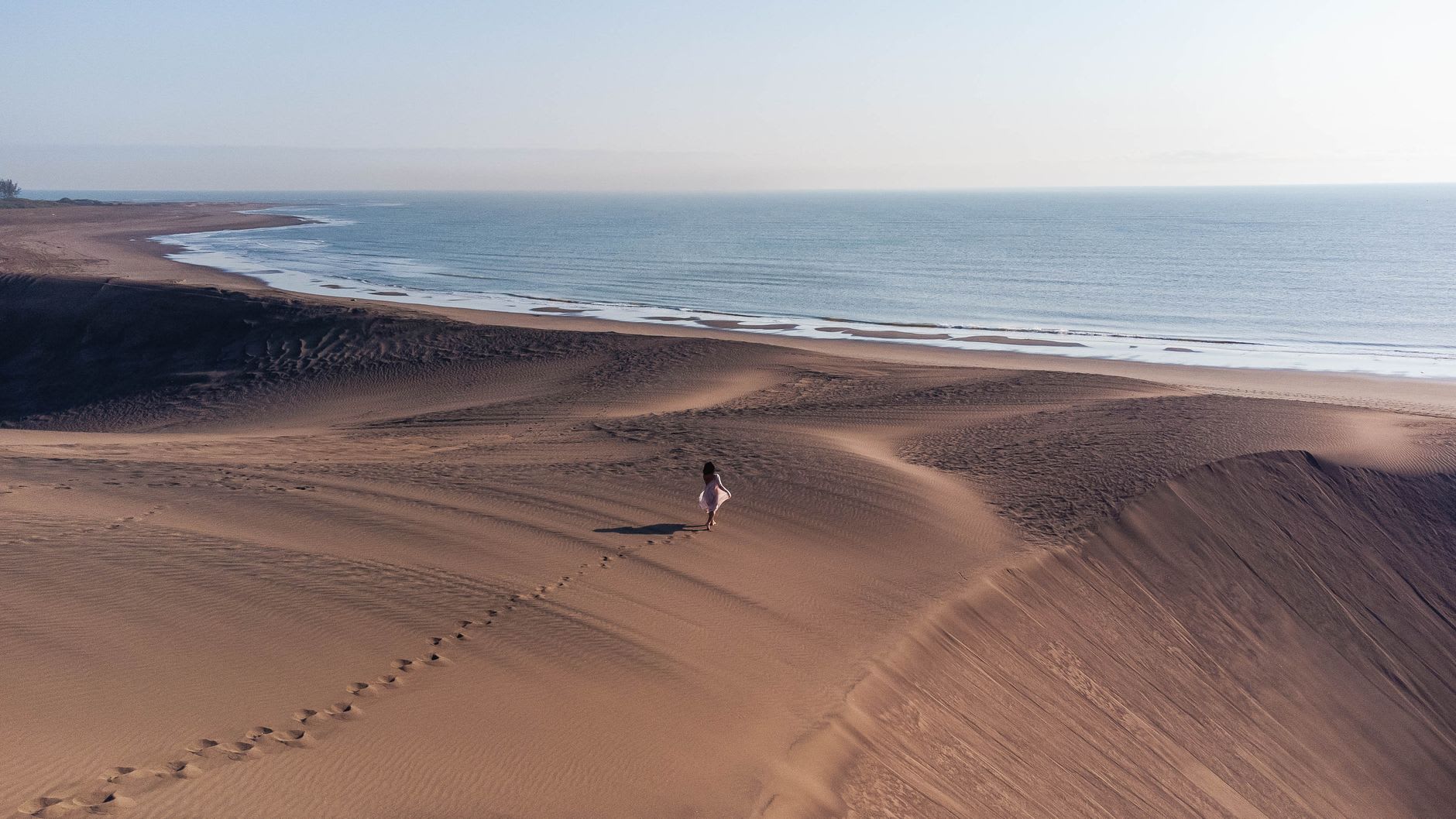
The bus from Acapulco takes about forty minutes and deposits you on a strip of land so narrow that from a standing position you can see the Pacific on one side and the Laguna Coyuca on the other without turning your head more than ninety degrees. This is the specific geography of Pie de la Cuesta: a bar of land, perhaps three hundred meters wide at its broadest, running ten kilometers along the coast northwest of Acapulco, with the ocean on the western face and a large, still, freshwater lagoon on the eastern face, and a single road running the length of it between them. The Pacific is loud here — heavy surf, not swimmable in most conditions, the kind of waves that announce themselves well before they arrive. The lagoon is perfectly silent, its surface unbroken by wind because the bar of land blocks everything, birds standing motionless in the shallows, the water reflecting whatever sky is above it.
I went because a woman who runs a juice stand near the Acapulco bus terminal, when I asked her where she would go if she had the afternoon free, looked at me without hesitation and said: Pie de la Cuesta. The local beach. The other Acapulco.
The resort bay of Acapulco — the famous one, the one in the old Hollywood photographs, the one the cliff divers jump into — is twenty kilometers to the south and belongs to a different category of experience. Pie de la Cuesta is where Acapulco families go when they want the coast without the performance of it.
The Strip
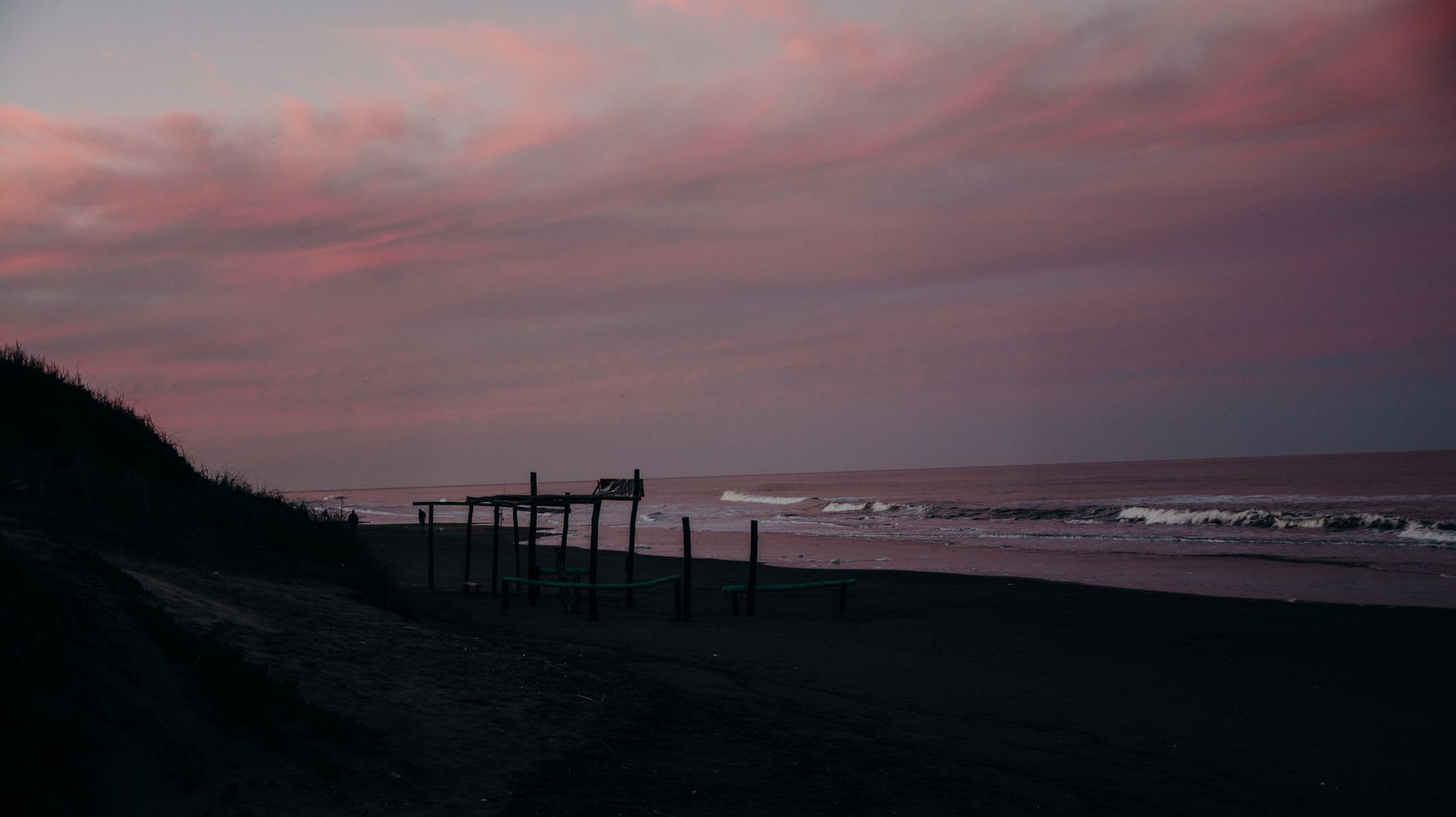
The palapa restaurants along the Pacific-facing edge of Pie de la Cuesta are family operations, most of them with plastic furniture set up in the sand a few meters from the surf. The ocean here is not safe for swimming — the currents are strong and the undertow is serious — but it is spectacular to sit beside. The waves come in at irregular intervals and in irregular sizes, and the sound they make is the specific low percussion of heavy water moving over shallow sand, which I find easier to sleep near than city noise and harder to leave when the time comes to leave.
The food is simple Pacific coast standard: grilled fish, aguachile, ceviche, shrimp tacos. The aguachile de camarón I ate at a small place near the center of the strip — shrimp cooked in lime juice and chile serrano, thin cucumber slices, red onion, tostadas on the side — was the kind of simple dish that is hard to eat without giving it your full attention. Acapulco is in Guerrero, and Guerrero has a chile tradition that is different from the central highlands: hotter, more direct, less interested in complexity for its own sake.
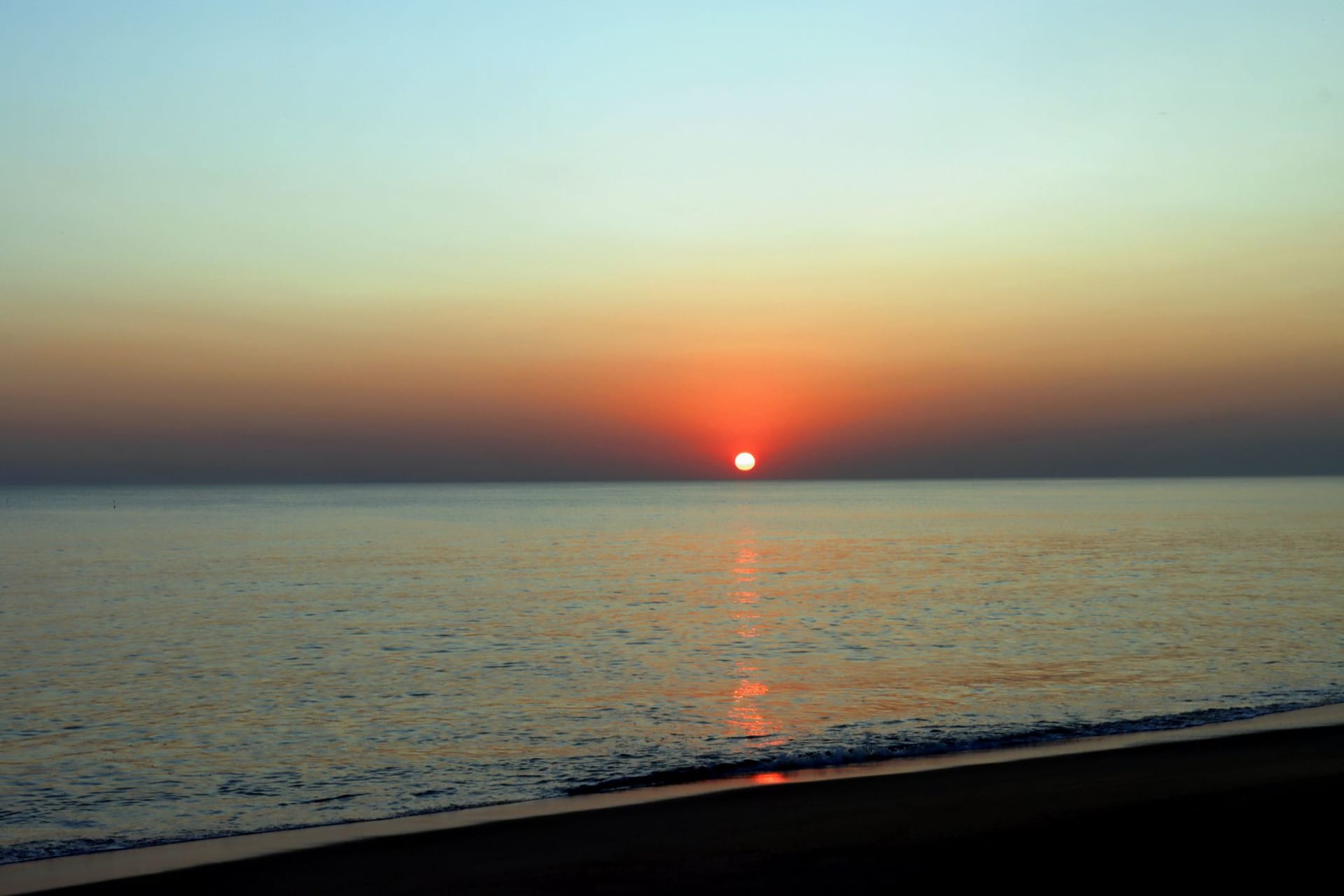
In the evening the strip becomes a sunset-watching spot of some seriousness. The Pacific-facing orientation means the sun goes down directly in front of you, and the light on the water and the palms in the last hour before dark has a quality that I can only describe as excessive — too much orange and red for any single sunset to contain. Several families had set up chairs at the water’s edge by five o’clock. A group of teenagers played in the shallows. A dog chased a pelican without any genuine intent to catch it. The pelican was also clearly not worried.
The Lagoon
The Laguna Coyuca is the larger, quieter reason to come to Pie de la Cuesta. It is a major protected wetland — a coastal lagoon that communicates seasonally with the ocean but maintains a freshwater character most of the year — and it supports one of the more impressive bird populations on the Guerrero coast: herons, egrets, roseate spoonbills, various cormorants, and the brown pelicans that are everywhere along this coast, moving between lagoon and sea with the efficiency of commuters who have perfected a routine.
Boat tours of the lagoon operate from several landing points along the eastern side of the Pie de la Cuesta road. The boats are small open pangas; the tour takes about two hours and covers the main bird areas, the outer edges of the lagoon where the fishing communities live, and the canal that connects to the ocean (when the bar is open). My boat had a driver and three other passengers — a family from Iguala who had been coming to Pie de la Cuesta for fifteen years and were visibly puzzled that I had never been before.
The best hour for the lagoon tour is around five in the afternoon, when the light is low and the birds are most active at the water’s edge. We stopped the engine near a stand of dead trees — drowned by a flood some years back, now used as perching structures by a colony of double-crested cormorants — and drifted in silence for several minutes. The cormorants dried their wings in the position that cormorants use, wings extended, entirely still, looking like small heraldic birds on a coat of arms. One of the family from Iguala photographed them steadily. The youngest child had fallen asleep.
The lagoon also has a small islet community of fishing families who have lived on the water’s edge for generations. The guide on my tour was from one of these families and pointed out the specific house where he grew up — a structure on stilts at the water’s edge, a fishing net stretched between two posts, a dog sleeping in the shade of a panga. He spoke about the lagoon with the proprietary affection of someone whose family’s livelihood has depended on it for several lifetimes.
Getting There and Around
The bus from Acapulco’s central bus terminal (the Estrella de Oro terminal on Avenida Cuauhtémoc) runs to Pie de la Cuesta roughly every hour throughout the day. The ride is about 40 minutes and costs next to nothing. If you are arriving at the Acapulco airport — which is on the opposite side of the city — take a taxi to the centro first and then a bus, or negotiate a direct taxi to Pie de la Cuesta (about 45-50 minutes, 350-450 pesos depending on traffic and negotiation).
The strip has a handful of small hotels and several palapa-style guesthouses. None of them are luxurious; most of them are clean and include a ceiling fan and proximity to the beach. Staying overnight for the evening and morning light is worth it. The mornings on the Pacific side are calm before the on-shore wind builds around ten, and the lagoon in the early morning has the specific quality of very still water in good light that makes you want to stay in front of it considerably longer than you had planned.
When to go: November through April for the most reliable weather and calmer seas. The Pacific surf at Pie de la Cuesta is heavy year-round — not a swimming beach in any season — but the summer months (June through September) add rain and stronger wind. The lagoon bird activity peaks in the December-February period when the migratory species are present. July-August brings Acapulco families on holiday and the strip gets noticeably busier on weekends.