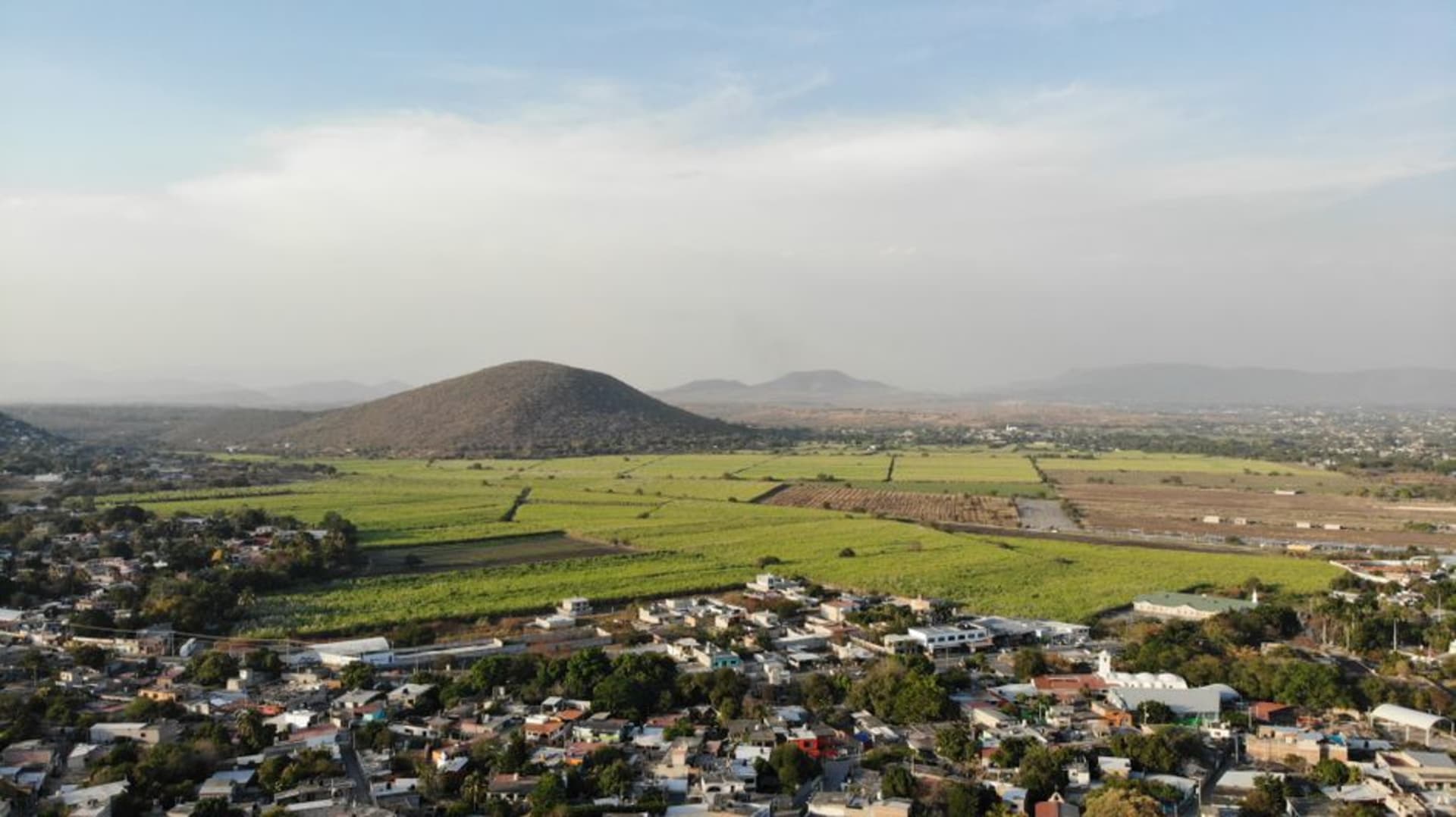
Ometepec
"I had barbacoa wrapped in maguey leaves at six in the morning with a group of Mixtec farmers who had been at the market since before dawn — nobody spoke the same language but the food was clear enough."
I drove into Ometepec on a Thursday without knowing it was market day, which turned out to be the best possible accident. The colectivo from the coast left me at the edge of the plaza at half past five in the morning, the sky still grey, and the market already in full motion. Women from the sierra had set up their tarps in the dark. There was smoke from the comals, the smell of chile and wood, and somewhere across the square, barbacoa wrapped in maguey leaves that had been cooking since the previous evening. I found a plastic stool and stayed for three hours.
Market Day in the Mixtec Region
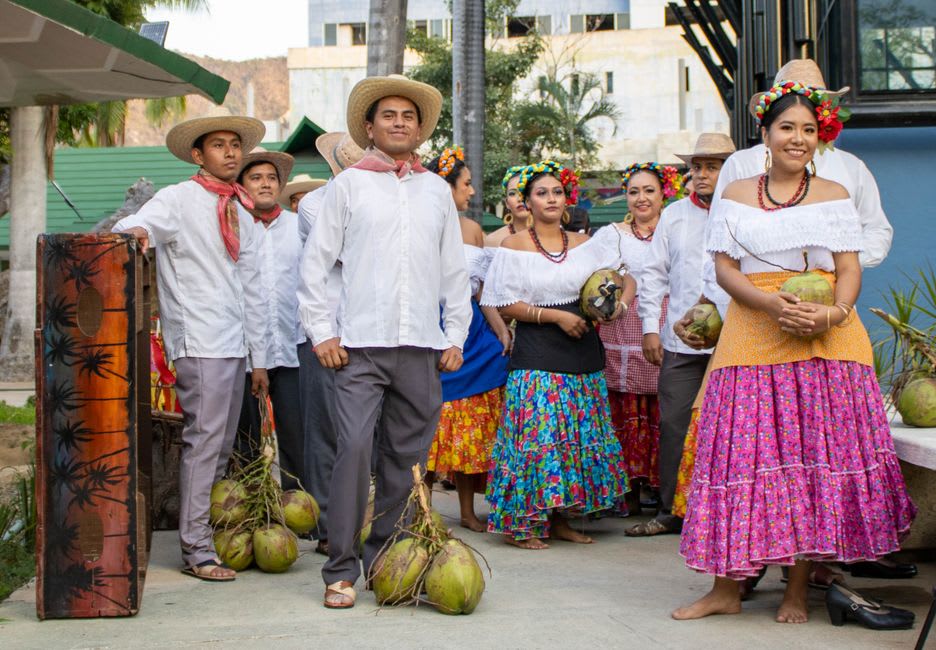
The Ometepec market happens every Thursday and Sunday, though Thursday draws the wider reach — vendors walking in from communities up in the sierra that few paved roads connect to. The Amuzgo women are easy to recognize by their huipiles, embroidered in geometric patterns on white cotton that takes weeks to produce and sells for less than it should. I watched one transaction for twenty minutes: a woman from the hills and a buyer from the coast, negotiating in Amuzgo, Mixtec, and occasional Spanish, none of it a language I speak, but the arithmetic of the deal was plain enough.
The medicinal plant section runs along the north edge of the mercado — dried herbs, roots, and powders lined up in neat rows on petates laid on the ground. The food section is the reason to arrive before six. Barbacoa de res cooked in maguey leaves, tamales de rajas, atole in clay cups. After eight, the best of it is gone. The vendors who drove in from the most distant communities begin packing up by ten, before the road back into the sierra gets harder in the afternoon heat.
The Town Between Markets
On days that are not Thursday or Sunday, Ometepec settles into its role as a regional hub with hardware stores, pharmacies, and the particular quietness of a place not performing for anyone. The plaza is shaded by old trees and the cathedral on its east side is understated, which is unusual for Guerrero. I had lunch at a comedor on Calle Independencia whose name I never caught — a woman ran it alone, serving a fixed menu of sopa de fideos and pollo en mole negro. The mole had the depth that comes from somewhere specific, not a formula. She told me her mother had taught her, and that her mother was from a village in the sierra I had never heard of.
The thing nobody tells you about Ometepec is how much of the town’s commerce happens in the morning and how quiet the afternoons become. By two o’clock the streets are slow, the shade is essential, and the restaurants have switched from lunch service to a kind of suspended waiting. It is a good town for sitting with a beer and watching the few cars that pass.

Where the Lowlands Meet the Sierra
The geography around Ometepec explains everything else about it. The town sits at the point where the coastal lowlands begin climbing toward the Mixteca Alta, and the communities in the sierra remain profoundly isolated from each other and from the coast. Ometepec functions as a point of contact — commerce, healthcare, school supplies — for people whose daily lives have almost nothing to do with the town itself.
That gravitational role gives the market a different weight than the tourist markets of Oaxaca or San Cristóbal. Nobody here is selling to visitors. The huipiles on the Amuzgo women’s stalls are priced for the regional economy, not for foreign buyers who will carry them home in a suitcase. That is the detail that changes the texture of everything.
Getting There
Ometepec is roughly three hours from Puerto Escondido by car via the coastal highway through Pinotepa Nacional, or about four hours from Acapulco. Colectivos run from Pinotepa. There is no direct bus from Oaxaca city without a transfer. Arrive Wednesday evening if you want to be at the Thursday market before dawn — there are a few basic hotels on and around the central plaza, and the town is quiet enough that you will sleep.