Iguala de la Independencia
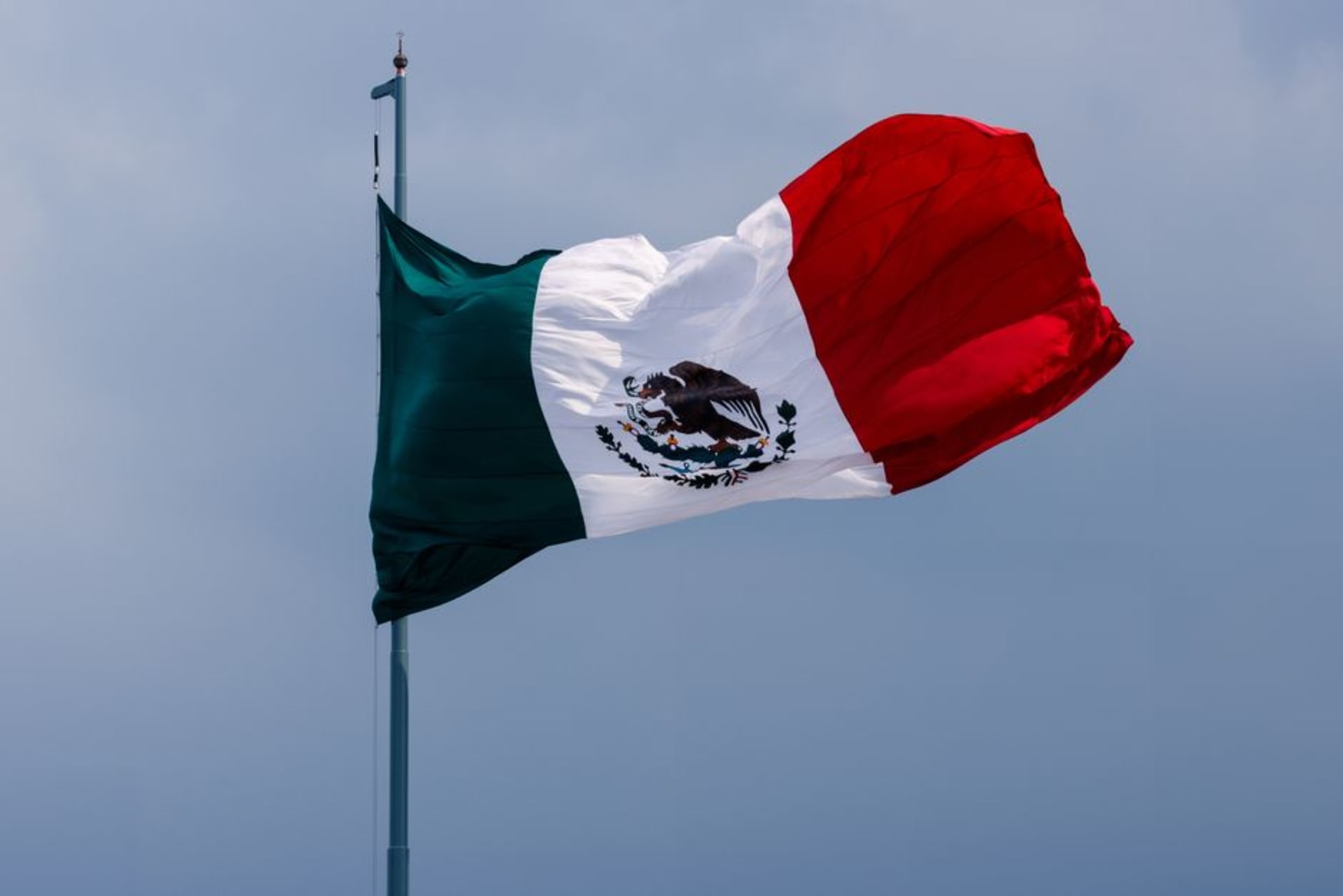
"Mexico was born here in 1821, and the country has been arguing about what that means ever since. Walking the zócalo at dusk, both things felt equally present."
I pulled off the Autopista del Sol without a plan, which is roughly the only way to arrive in Iguala. The highway bypasses the center entirely, and most drivers keep going south toward Acapulco without a second thought. But I had time before dark and had been reading about the Plan de Iguala, so I found myself at five in the afternoon standing in a plaza so large it made my footsteps feel redundant, looking up at an enormous white column from which the Mexican flag hung perfectly still in the windless heat — because in a sense, it has always been there.
The Flag That Started Everything
The Monumento a la Bandera dominates the central plaza in a way that goes beyond civic pride. The column — roughly 37 meters of white stone — was built to mark the spot where, on February 24, 1821, Iturbide and Guerrero proclaimed the Plan de Iguala, uniting royalist and insurgent forces under three guarantees: independence, Catholicism, and union. They called themselves the Ejército de las Tres Garantías, and they raised a tricolor flag here — green, white, red — that would become the template for modern Mexico’s banner. The Independence War ended within months.
Standing at the base of that column in the late afternoon, I understood how deliberately the plaza was designed to give the monument room to breathe. The Palacio Municipal and the cathedral on the north side feel secondary — appropriate, almost. The space is ceremonially large in a way that most Mexican zócalos are not, as if the city was built to provide a particular silence. Not many tourists have disturbed it. I counted seven people crossing the plaza in the span of an hour, and two of them were pigeons.
The Other Year
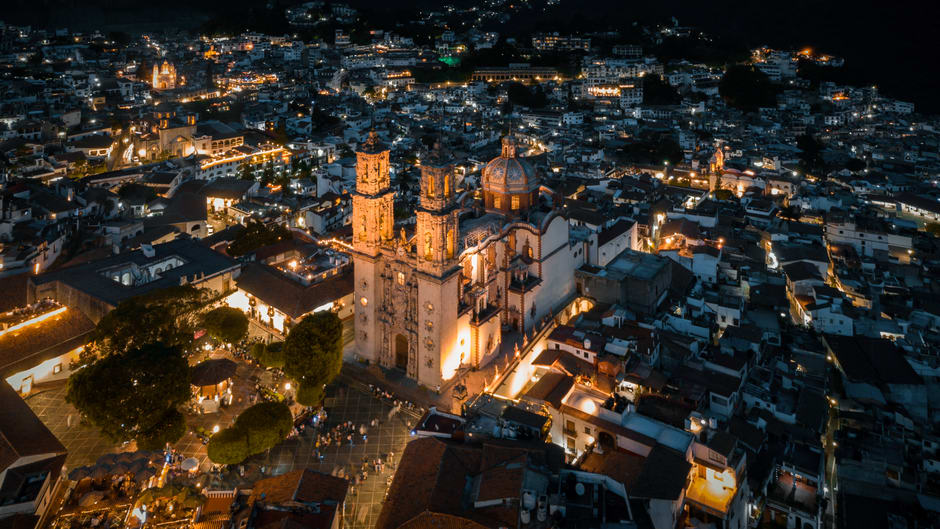
Iguala is a city that carries two dates simultaneously and doesn’t always know what to do with either of them. In 1821, the nation was declared here. In 2014, forty-three student teachers from the Escuela Normal Rural Raúl Isidro Burgos in Ayotzinapa were forcibly disappeared after a confrontation in these streets on the night of September 26th. The second date is present in ways that history rarely makes visible: in murals on side streets near the mercado, in names on weathered posters, in the way some locals talk around it and others don’t talk at all.
I had a bowl of pozole rojo at a small comedor on Calle Cuauhtémoc that evening. The woman running the counter had the bearing of someone who had said everything there was to say on the subject and found no relief in any of it. The pozole was very good — hominy fat and soft, a slick of dried chile on top — and I ate it without asking anything I didn’t need to ask.
The Mercado and the Morning
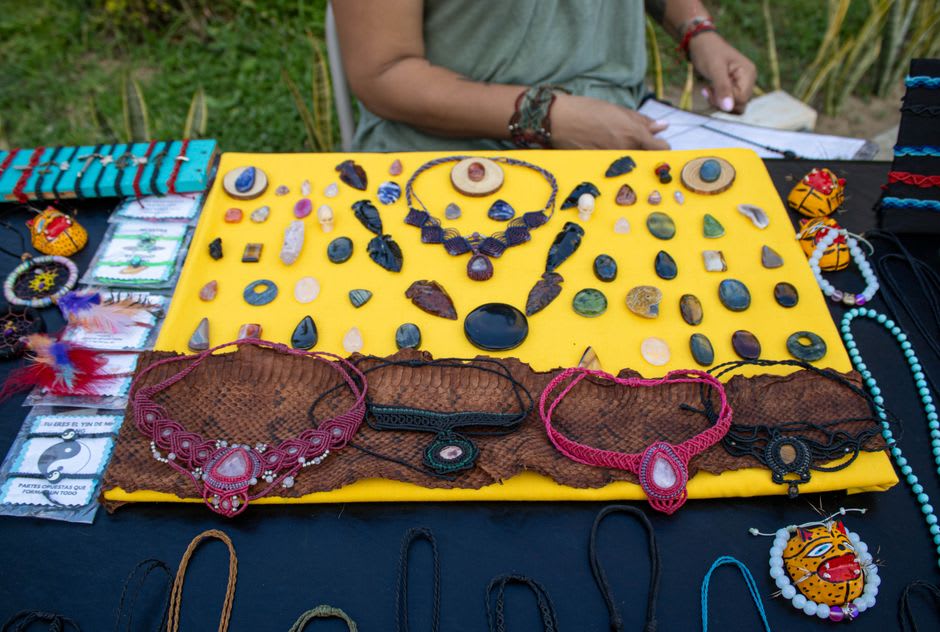
The mercado municipal sits two blocks south of the plaza and runs by six in the morning, early enough that the stalls selling cecina and chicharrón are already serious business before the heat arrives. Iguala is one of the centers of gold jewelry craft in Mexico — a tradition that predates the colonial period — and several shops around the center sell pieces in a price range that makes clear this is aimed at residents, not visitors. I ate tamales de rajas from a woman who had occupied the same corner, at the junction of Bandera Nacional and the street running east of the plaza, for what she told me was twenty-four years. They were wrapped in banana leaf, the masa dense and properly seasoned, and they tasted like something I had no right to eat as quickly as I did.
Getting There
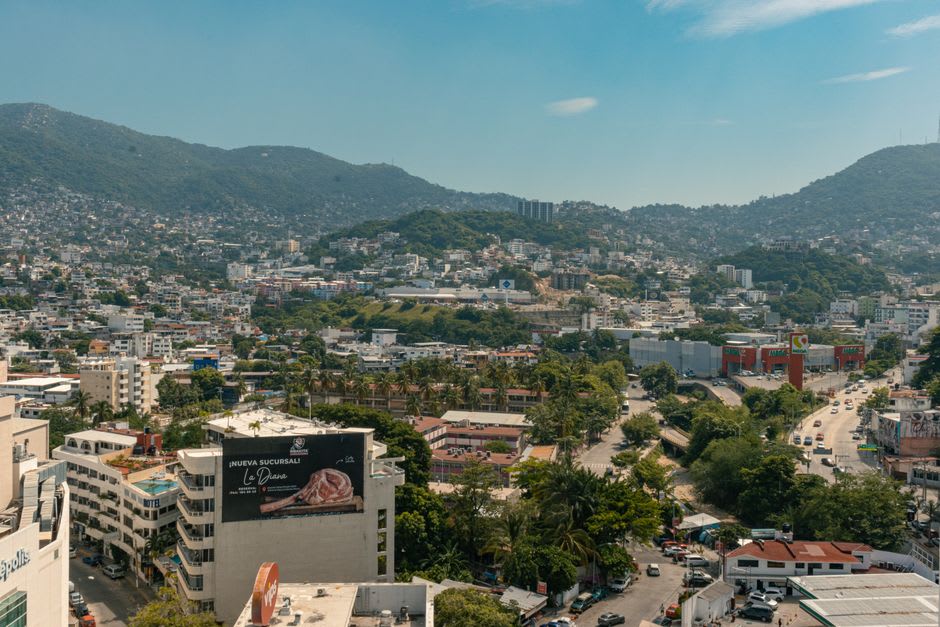
Iguala sits on the Autopista del Sol (MEX 95D), roughly three hours south of Mexico City and two hours north of Acapulco. Buses from Mexico City’s Terminal del Sur — Estrella de Oro and Estrella Blanca both serve the route — run frequently and drop you at the Iguala terminal, which is walkable to the center. The dry season, November through April, is when Guerrero’s heat stays manageable. Half a day is enough; an overnight gives it more room.