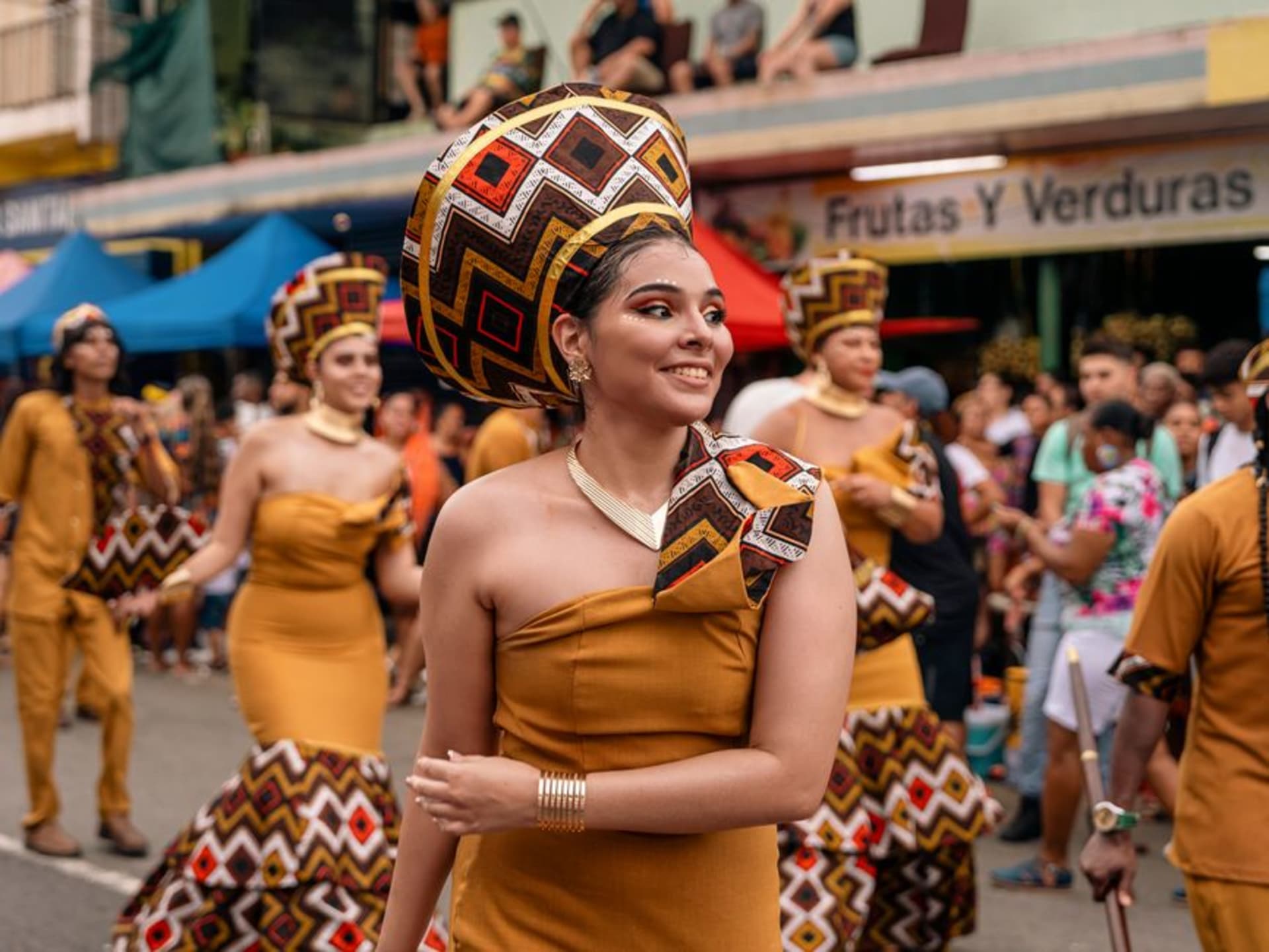
Cuajinicuilapa
"I had driven past it a dozen times on the road from Acapulco before I finally stopped. The museum is small, the town is quiet, and the story it tells about who actually built this coast is one Mexico spent a long time not wanting to tell."
The highway through Guerrero’s Costa Chica runs flat and fast, and after you’ve made the crossing enough times it becomes a blur of palm trees, tope signs, and roadside comedores. I had logged maybe fifteen trips between Puerto Escondido and Acapulco before a photographer friend from Oaxaca City told me to stop in Cuajinicuilapa. I almost didn’t. It was early afternoon, the kind of heat that discourages detours, and from the highway the town looked like dozens of others on this stretch. I parked in the shade of a laurel tree near the market and walked toward a sign I had apparently been driving past for two years without registering.
The Museum That Shouldn’t Be This Easy to Miss
The Museo de las Culturas Afromestizas sits a short walk from the plaza — a modest building that contains an immodest amount of history. The collection tells the story of La Tercera Raíz, the Third Root, the African presence in Mexico that the school curriculum spent decades eliding or folding quietly into the colonial narrative. The people of Cuajinicuilapa are descendants of cimarrones: Africans who survived the Middle Passage, escaped enslavement, or washed ashore from wrecked slave ships on this coast, and who built free communities here before any nation-state had decided what to do with them.
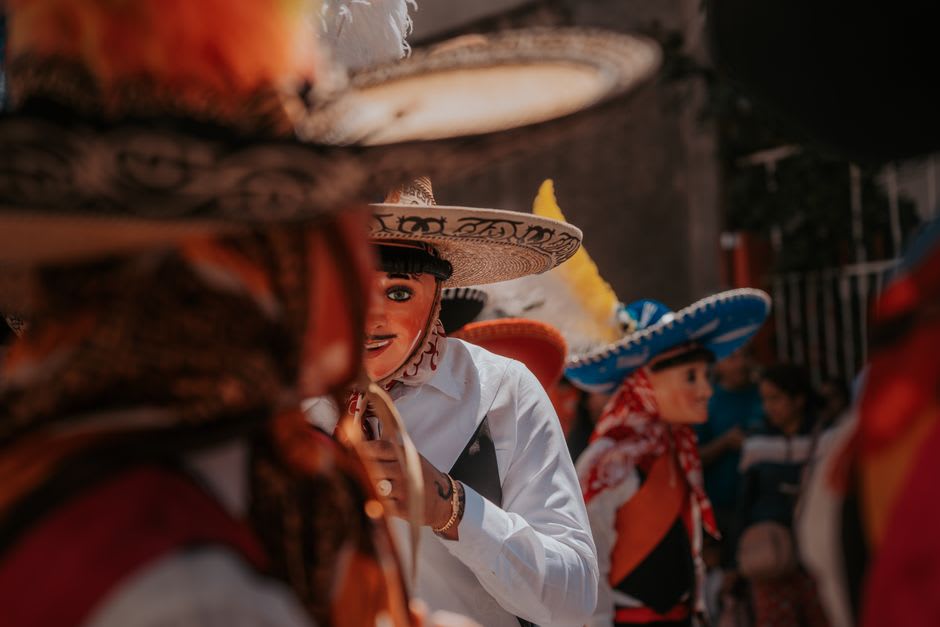
The exhibits are not slick. Some placards are hand-lettered. But the photographs — communities from the 1940s and 50s, faces that don’t appear in the textbooks — are extraordinary. There is a section on the danza de los diablos, the masked dance that Afro-Mexican communities perform at Día de Muertos, its choreography and costume tracing a line directly to West African ritual. I stayed for nearly two hours. The museum had one other visitor.
Lunch on Calle Independencia
After the museum I found a comedor three blocks toward the market — the kind with no menu posted and a señora who tells you what there is. That afternoon it was caldo de jaiba, a crab broth with chiles and epazote that arrived in a clay bowl the size of a serving dish, still visibly boiling. After it came enfrijoladas in black bean sauce and a basket of tortillas that were clearly made that morning.
I asked about tamales de cambray — the sweet-savory tamales with raisins, olives, and capers that turn up along this coast, a dish whose combination of ingredients makes more sense once you know this region’s history. They exist at the convergence of African, Spanish colonial, and indigenous traditions, and nobody on the Costa Chica treats them as remarkable. The señora said to come back on Saturday. I made a mental note that became an intention that became a reason to plan a third trip.
What the Town Itself Is Telling You
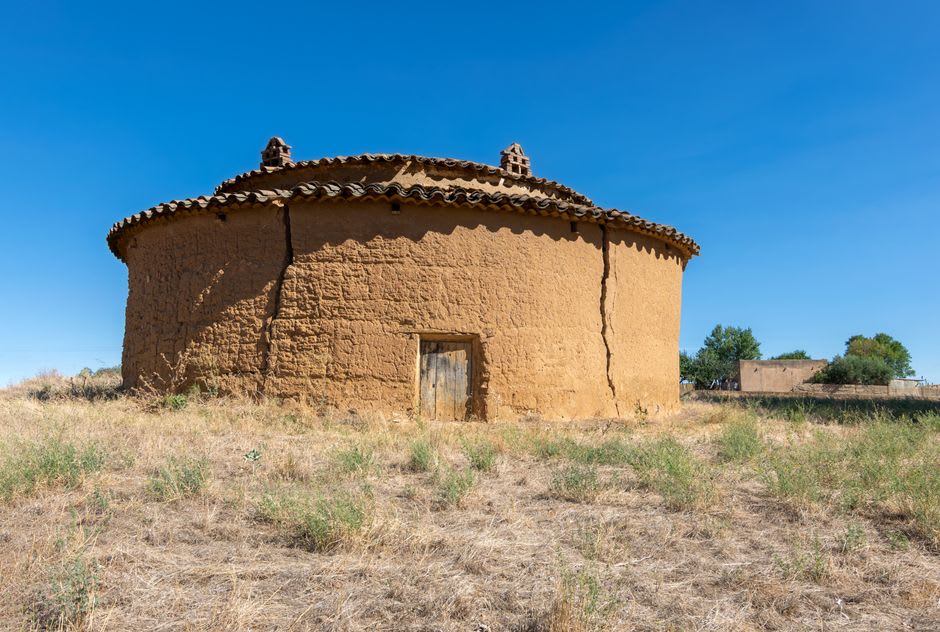
Give it a full afternoon rather than an hour. The museum takes more time than you expect if you read the panels, which you should. The plaza fills up in the early evening when families come out and the heat drops to something manageable. The town’s residential layout — clusters arranged in the circular pattern called redondo — is itself a form of historical evidence, a spatial echo of the cimarrón settlements that preceded the current town. You will not find a guide pointing this out. Ask someone who lives here. If you come in late October or early November, the danza de los diablos rehearsals are audible from the street and worth following.
Getting There
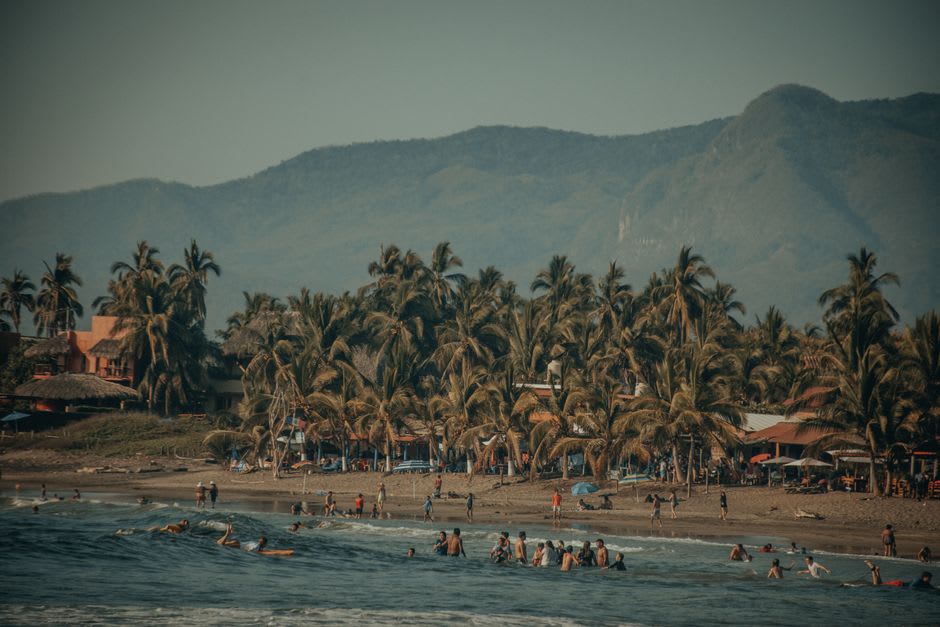
Cuajinicuilapa sits on Federal Highway 200, roughly two and a half hours west of Puerto Escondido and two and a half hours east of Acapulco. Colectivos run from both directions and will drop you at the town entrance. The dry season, November through April, is the easiest time to travel this coast, and November also catches the Día de Muertos period when the danza de los diablos is performed. There is no formal tourism infrastructure. Bring cash and no particular agenda.