
Barra Vieja
"When the cab driver gives you his personal lunch recommendation instead of the tourist one, you take it — and it leads to Barra Vieja."
The cab driver who took me from the Zócalo toward the bus terminal had opinions. Not about traffic. About fish. I mentioned I had a few hours and was thinking of La Condesa, and he made a sound — dismissive, definitive — and told me to go to Barra Vieja instead. Forty minutes east on the coastal road. Laguna de Tres Palos on one side, the Pacific on the other. The boats leave before sunrise, he said, and the palapas get first pick. He was not suggesting I go. He was telling me.
Between Two Waters
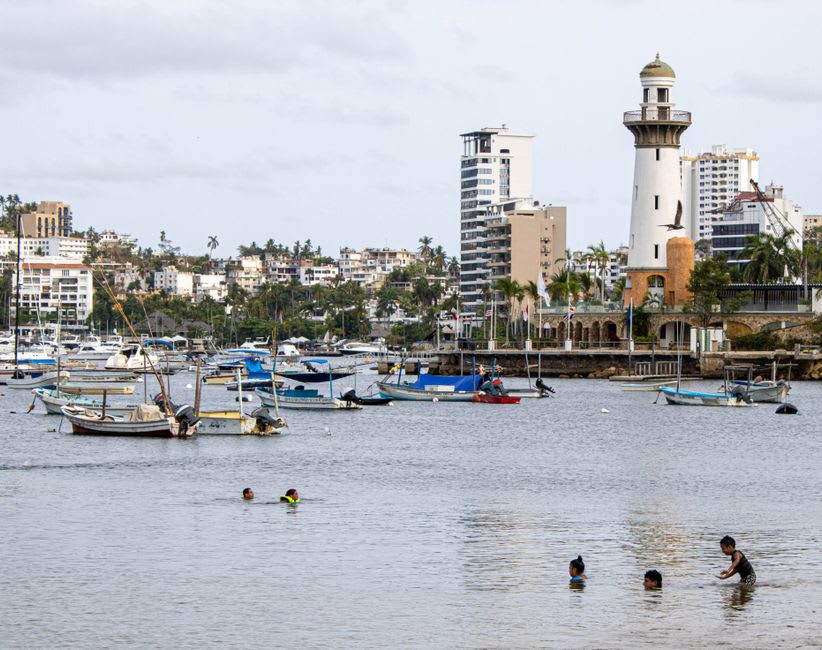
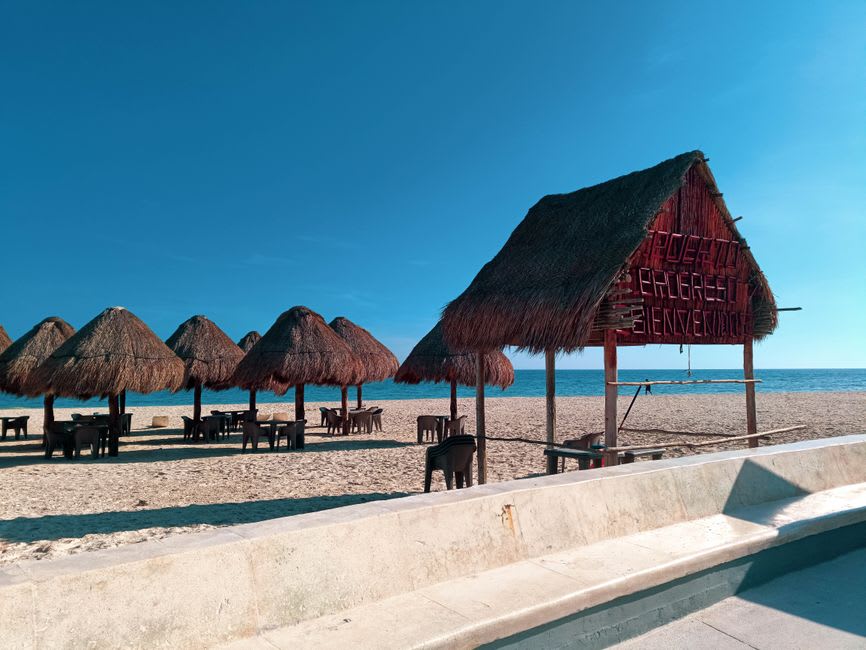
Barra Vieja runs along a narrow sandbar that separates Laguna de Tres Palos from the open ocean — a natural arrangement that the restaurants here have turned into their entire identity. The strip is nothing complicated: a row of large palapa structures, each with plastic chairs angled toward the water, each with a hand-painted menu board listing whatever came in that morning. The lagoon side catches the breeze and holds the light differently at midday; the ocean side is louder, saltier, better for late afternoon when the waves pick up. Most places let you choose which side you want to sit, which is the kind of choice I always underestimate until I am in the wrong spot.
There are no hotel chains here, no resort access signs, no one selling jet ski tours. A few vendors walk the sand selling sliced coconut and cold bags of tejocotes. A dog circulates with the practiced patience of someone who has learned that the fourth table usually gives something.
The Fish, Specifically
The default order at most palapas is pescado a la talla — a whole fish, typically pargo or mojarra, butterflied and grilled over wood coals with a paste of chile ancho, garlic, and achiote rubbed into the flesh before it hits the grate. The version at the palapa where I ended up — a place near the eastern end of the strip — came out still hissing, charred at the edges, with a bowl of pickled red onion and a stack of corn tortillas that arrived in a cloth napkin so they stayed hot. I did not ask the price first. This is always the right call.
The tiritas here are Guerrero-style: raw fish, usually sierra or robalo, cut into strips and cured briefly in lime juice with chile serrano, thin rings of white onion, and sometimes a little epazote. Colder than aguachile, less aggressive, meant to be taken slowly with a beer that is mostly ice. I ordered both. The caldo de mariscos arrived unrequested as a small cup while I waited — a complimentary thing, opaque and deeply red, that the waiter called a cortesía and that tasted like the lagoon distilled.
How to Use an Afternoon Here
Arrive before one o’clock. The palapas fill by noon on weekends and the wait becomes real by one-thirty — not impossible, but the kind of wait where you are standing in direct sun with no shade. Weekdays are considerably more relaxed. I went on a Tuesday and had my pick of tables.
The stretch has maybe a dozen palapas and they are not all equal. The ones closest to the main parking area cater more to bus groups from Acapulco and price accordingly. Walk east. The further you go from the lot, the more the ratios shift in your favor. Order the whole fish, not the fillet. Ask whether the jaiba is in season. Pay in cash.
Getting There
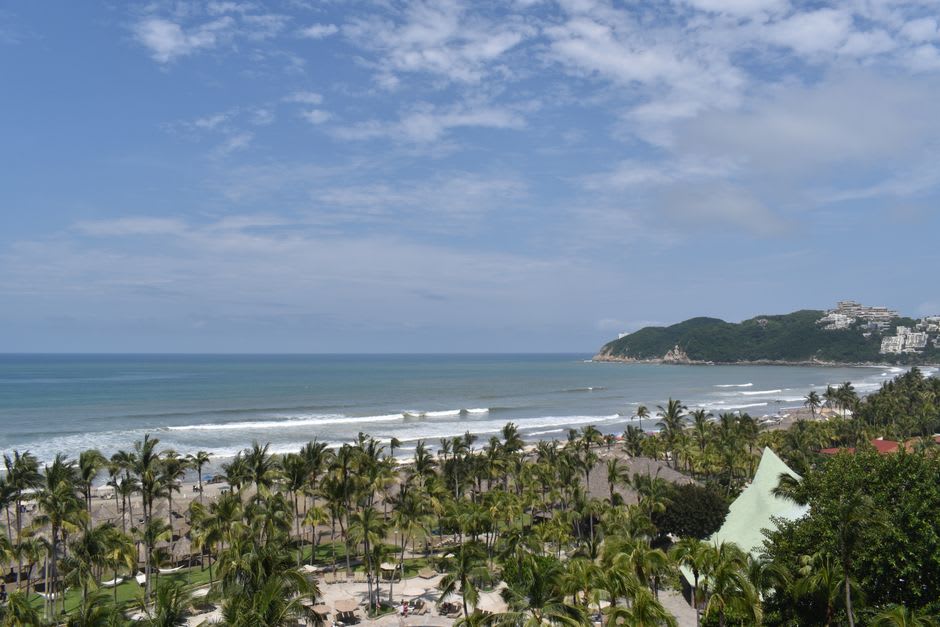
From Acapulco, take a colectivo heading east toward Puerto Marqués — they depart frequently from near the Mercado Central and cost around 30 to 40 pesos. Ask to be dropped at Barra Vieja. The ride is roughly forty minutes depending on traffic on the coastal road. A taxi from the Zócalo runs around 200 to 250 pesos each way. The road is paved and completely straightforward.