Tepetlaoxtoc
"The curator at the small codex museum spent an hour explaining the tax complaint encoded in the manuscript — a bureaucratic grievance from 1554 that reads as surprisingly contemporary."
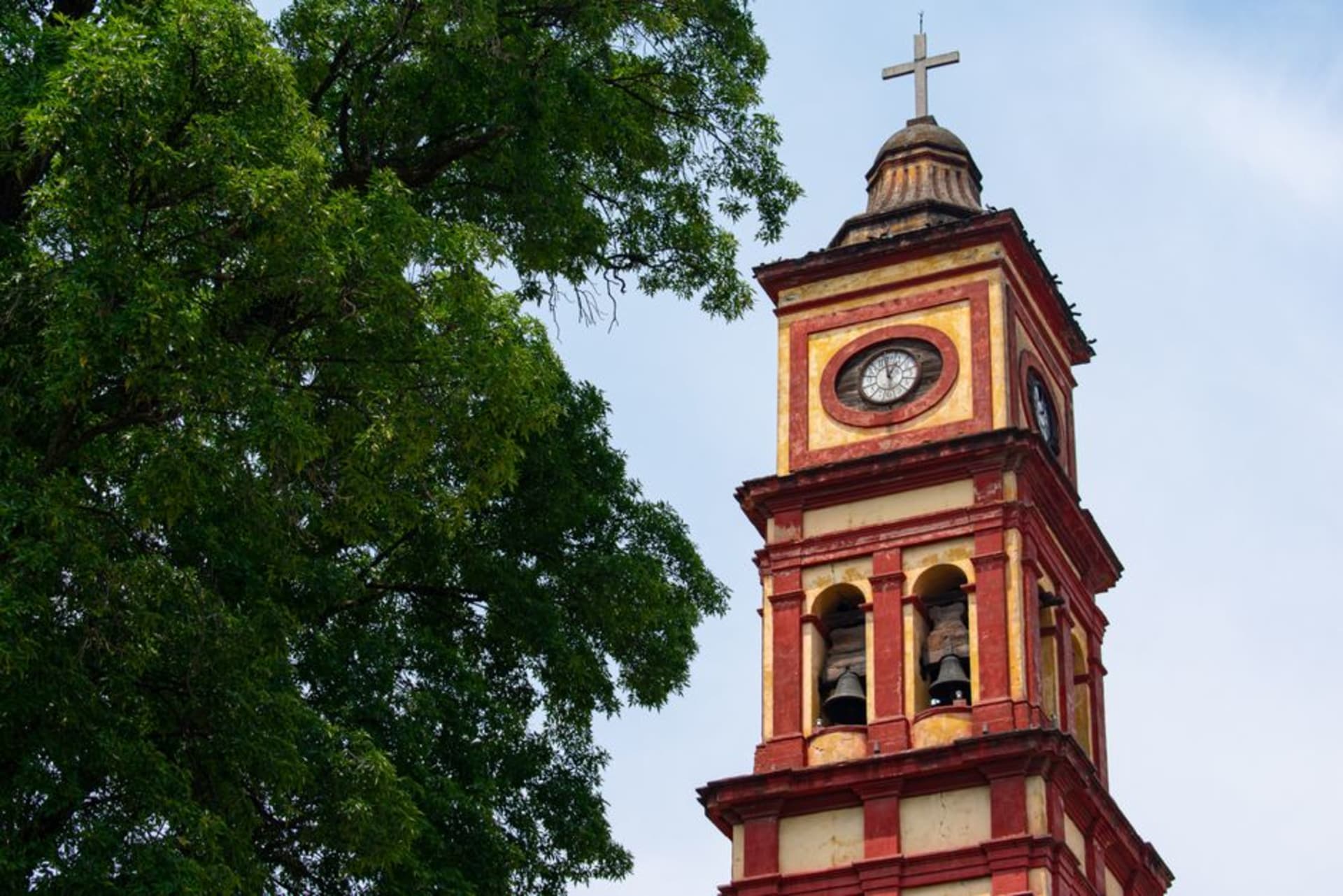
I came to Tepetlaoxtoc on a Tuesday, which turned out to be exactly right. The market on the main plaza was winding down by the time the combi from Texcoco dropped me at the corner of the church, vendors folding their plastic tarpaulins over whatever hadn’t sold — dried chiles, a few kilos of quelites, hand-painted ceramics with no obvious destination. The town felt unhurried in a way that the Basin of Mexico rarely does anymore. No one was trying to sell me anything. I walked the length of the main street, ate a quesillo de flor de calabaza at a comedor with three tables, and found the museum almost by accident.
The Codex and Its Argument
The Museo del Codex Kingsborough occupies a modest building near the atrio of the sixteenth-century convent of San Juan Evangelista. The original manuscript — named after the British collector who eventually acquired it — now lives in the Biblioteca Nacional in Madrid, but the museum holds a meticulous reproduction alongside explanatory panels that actually do the work of teaching you to read it. The codex was produced around 1554 by Tepetlaoxtoc’s indigenous population as a formal legal complaint against their Spanish encomendero, Gonzalo de Salazar, documenting in pictorial script the excessive tributes he demanded: loads of firewood, cacao, labor days, animals. It is, at its core, a spreadsheet of grievances. The curator — a soft-spoken man named Rodrigo who seemed genuinely delighted that someone had come — walked me through panel after panel, pointing out the glyphs for specific quantities of maize and the figures of men bent under impossible loads. What struck me was the precision of the document, the faith that someone, somewhere, would read it and find it legible. In 1554 that faith was not entirely misplaced: Spanish courts did sometimes rule in favor of indigenous petitioners. Whether they did here, Rodrigo wasn’t certain.
The Convent and the Valley
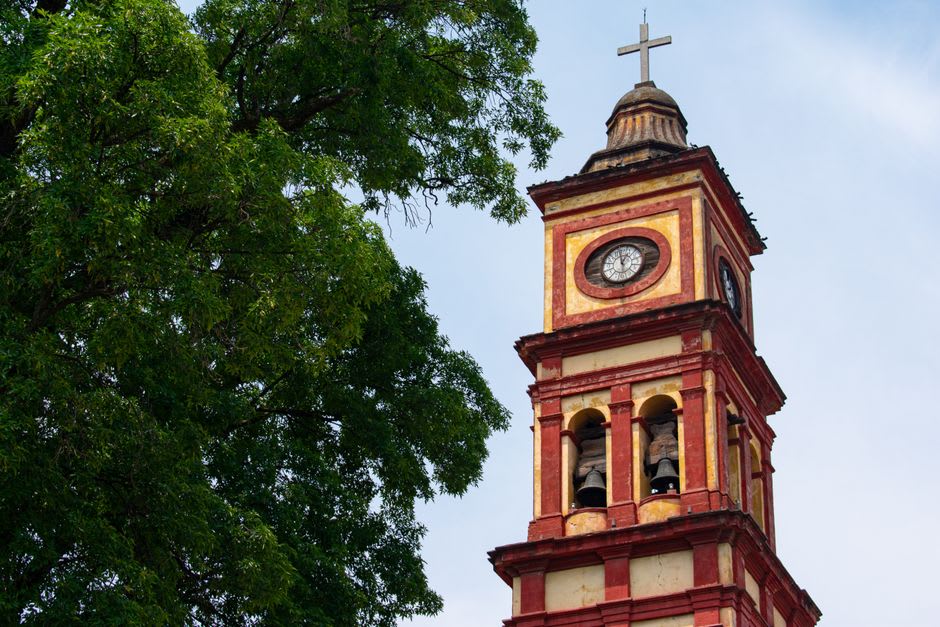
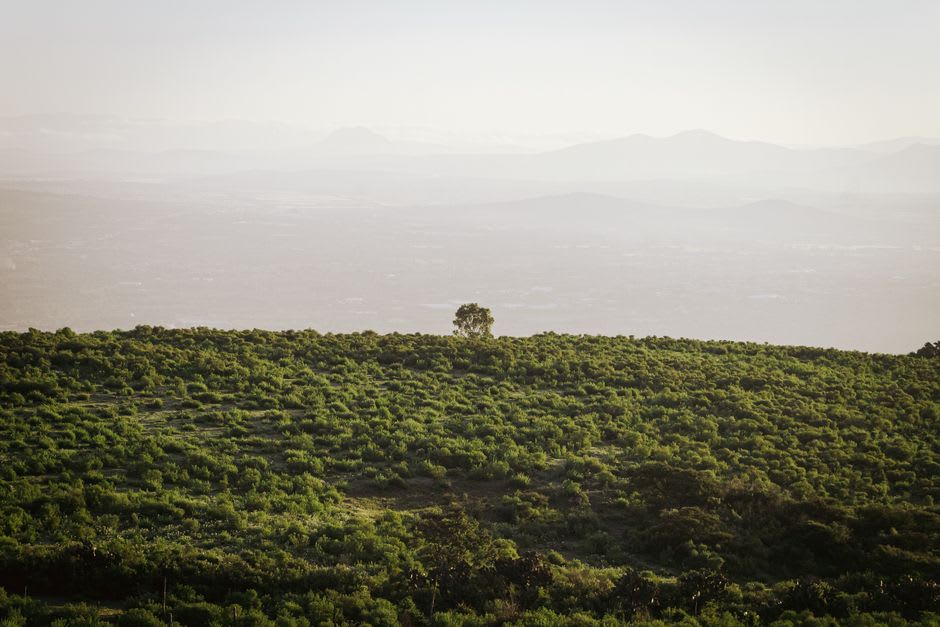
The Convento de San Juan Evangelista, attached to the museum complex, is one of those sixteenth-century Franciscan structures that manages to feel both monumental and completely unpretentious. The atrio is large enough to have held hundreds for open-air mass during the early conversion decades. I spent a while in the shadow of the east wall, watching a dog sleep in a strip of afternoon sun. From the ridge above the town — a fifteen-minute walk up a dirt track that begins behind the market — the valley opens out in a way that explains why the Spanish bothered establishing an encomienda here at all. The fields below are still planted in corn and beans, not subdivisions. The mountains that ring the basin on three sides look enormous from up here. It is one of those views that reminds you the Basin of Mexico was always a landscape before it became a metropolitan area.
What to Eat
The comedores around the plaza run on market logic — best before one in the afternoon, quieter after. I had decent sopa de lima and a plate of enfrijoladas at a place on the north side of the zócalo whose name I never caught. The tortillas were hand-pressed. That is not nothing.
Getting There
From Texcoco, take a combi headed toward Tepetlaoxtoc from the market terminal on Calle Nezahualcóyotl — they run regularly throughout the morning and cost around fifteen pesos. The ride takes about thirty minutes through flat farmland and small villages. Texcoco itself is forty minutes by bus from the TAPO terminal in Mexico City.