Vicente Guerrero, Durango
"I bought a cheese from a woman in a bonnet who spoke no Spanish, using gestures and a hand-drawn price list. The cheese was magnificent."
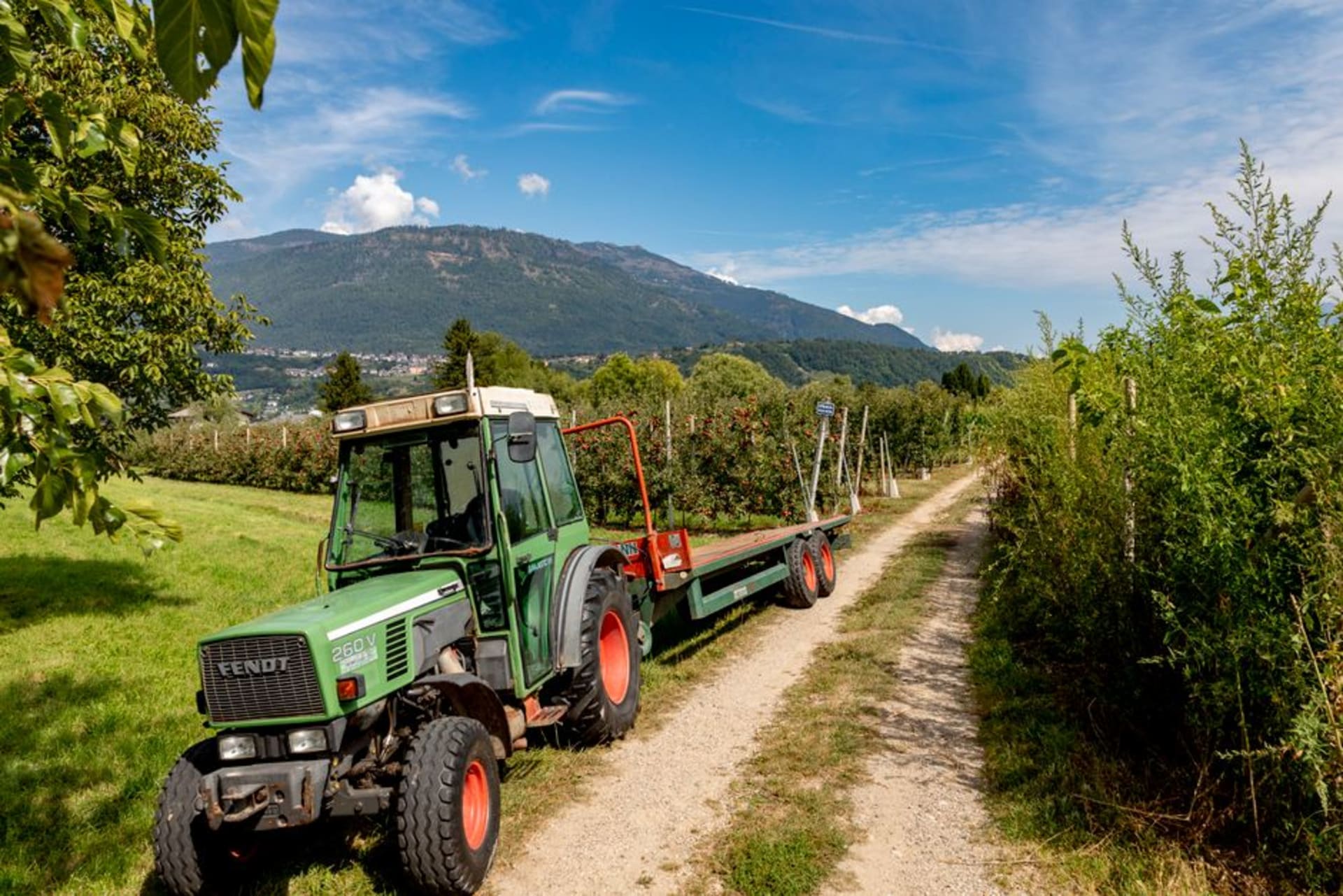
I drove into Vicente Guerrero on a Tuesday morning in late August, windows down, following a truck loaded with crates of red and yellow apples that kept dropping through the slats whenever it hit a tope. The valley opened up gradually — irrigation channels running beside the road, neat orchards in rows, and then, at a roadside stand, a teenage boy with sandy hair and pale eyes who handed me change without saying a word. I had arrived in the right place. I stood there for a moment trying to work out where exactly I was — Durango, nominally, but really somewhere else entirely.
The Mennonite Colony and Its Market
The Mennonite community here arrived in the mid-twentieth century, drawn by land and distance, and they have shaped the valley completely. The Saturday market near the main road is where the two worlds of this place brush against each other most visibly — Mexican ranchers buying farm equipment alongside Mennonite families in plain clothes, the women in long dresses and bonnets, the men in overalls, communicating in a Low German dialect called Plautdietsch that sounds like nothing else I have heard in Mexico. The stalls sell wheels of queso menonita — firm, mild, slightly elastic — along with butter, cream, and what I can only describe as the best yogurt I have eaten outside of France. I bought a whole wheel of cheese from a woman who produced a laminated price list when I tried to negotiate in Spanish. We managed fine. The cheese lasted me four days and I rationed it badly.
Apple Season and the Festival
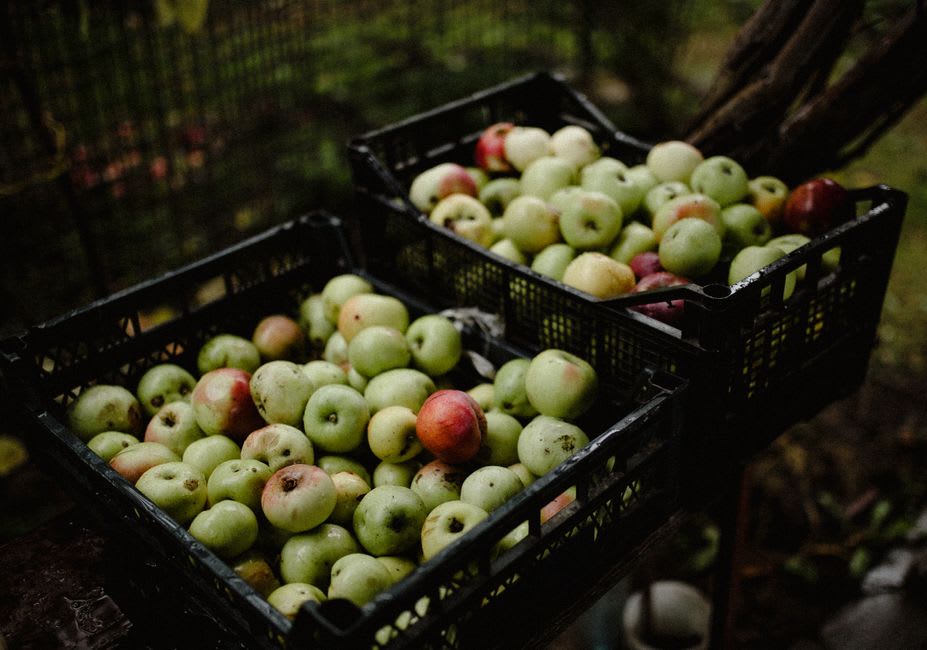
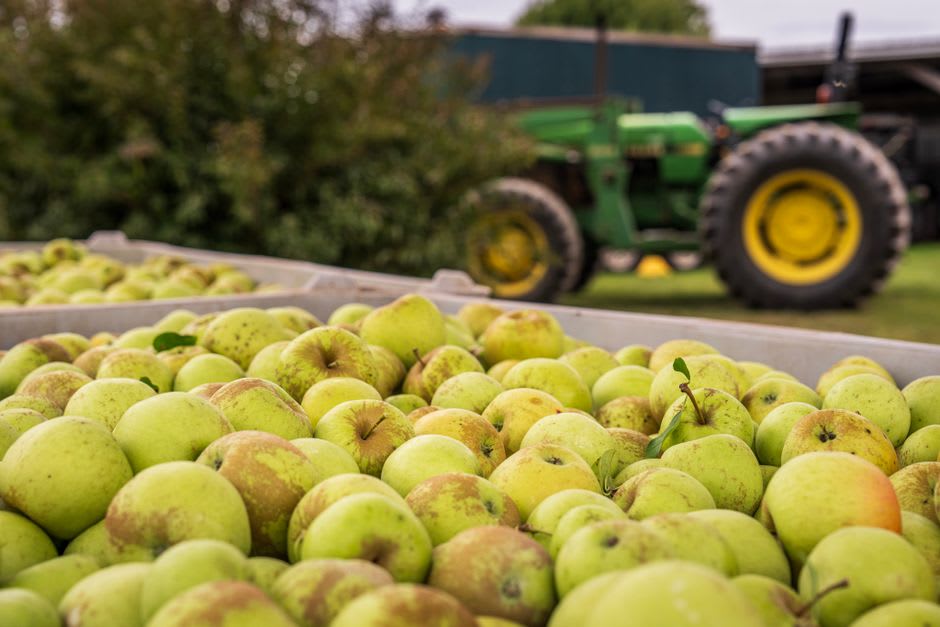
Vicente Guerrero produces a significant share of Mexico’s apples, and in August, when the harvest peaks, the valley smells of something between orchard and cidery. The Festival de la Manzana runs for several days — there are cider presses set up in the main plaza, local vendors selling apple atole and apple jam, and an enthusiasm about the whole thing that feels entirely genuine rather than performed for visitors. I ate a gordita filled with pork and a smear of homemade apple salsa from a woman named Reina who had been coming to the festival for twenty years. The combination sounds odd and works completely. Outside the festival, you can ask at the orchards directly — several families let you walk the rows and buy by the kilo straight off the trees, which is its own small pleasure.
The Valley Itself
The landscape around Vicente Guerrero is high and open — the Sierra Madre Occidental frames everything to the west, and the valley floor sits at around 2,100 meters, which gives the light a particular clarity I associate with altitude. Mornings are cold even in summer. I walked a stretch of dirt road east of town at dawn with frost on the grass and my breath visible, watching irrigation water run through concrete channels toward the orchards. It is a working agricultural landscape, not a scenic one in any curated sense, but there is something grounding about being somewhere that is entirely itself.
Getting There
Vicente Guerrero is roughly 130 kilometers south of Durango city on Federal Highway 45, a straight drive of about an hour and a half. There is no direct bus service from Guadalajara; the practical approach is to bus to Durango and hire a taxi or catch a local colectivo heading south toward Rodeo. A car gives you considerably more freedom to explore the orchards.