Santiago Papasquiaro
"Four hours on a mountain road, an apple from a crate outside a tienda, and then a man who explained the whole valley to me over a bowl of beans. That's a good day."
The road from Durango City into the Sierra Madre Occidental is one of those roads that begins straightforwardly enough — two lanes, good pavement, a gas station at the edge of town — and then gradually reveals its true character over the next couple of hours. By the time you are deep into the sierra, you are on a road that requires your full attention and rewards it with views that make you understand why the Tepehuan have lived in these mountains since before anyone was counting. Pine and oak, then more pine, then pine so thick and tall that the light comes through it in columns, and the road cutting through the topography in curves that assume you will slow down and look.
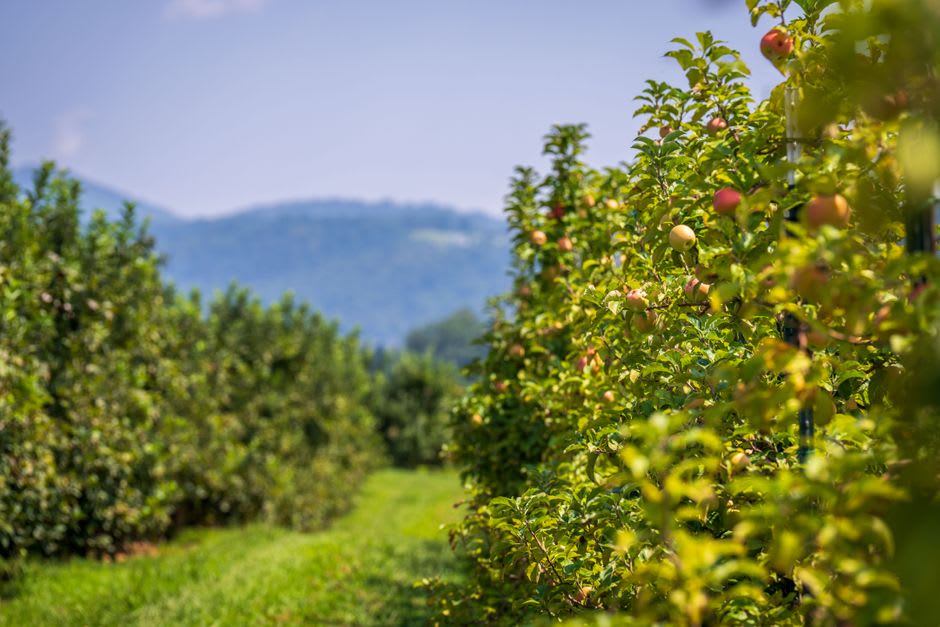
Santiago Papasquiaro appears in the valley below you before you reach it, which is the best way to arrive at a mountain town. I could see the river — the Papasquiaro — a silver line through the agricultural land of the valley floor, and the town arranged around a small grid of streets, and beyond it the hills closing in again. I had been driving for just over four hours from Durango City. I stopped at the first tienda I saw and bought an apple from a crate outside, and it was excellent — local, just off a tree somewhere up the valley, the kind of apple that makes the ones in French supermarkets seem like a theoretical concept.
The Valley and the O’dam
The Tepehuan of Durango — who call themselves O’dam, meaning “the people” in their Uto-Aztecan language — have been in this valley and the surrounding sierra for a very long time. Unlike many indigenous communities in Mexico, the Tepehuan of the high sierra maintained significant autonomy through the colonial period, in part because the territory is simply difficult to control from outside. The Spanish built missions; the O’dam absorbed some of what the missions offered and maintained the rest of their ceremonial life, including the mitote — a ritual dance ceremony involving extended prayer, communal gathering, and the drinking of tesgüino, a fermented corn beer that has its own ceremonial logic.
The valley around Santiago Papasquiaro produces apples, pears, and corn, which sounds modest until you consider the altitude and the climate — cold winters, temperate summers, frost possible well into spring. That anything productive grows here is a function of centuries of agricultural knowledge applied to difficult land. The orchards I drove past on the way into town were old — the trees gnarled and wide-spread in the way that takes decades.
The Guesthouse Dinner
I found a guesthouse near the plaza run by a man I’ll call Don Ernesto, which may or may not be his name but captures something about his manner — deliberate, unhurried, possessing the specific authority of a person who has spent most of his life in one place and knows everything about it. He showed me to a room, asked where I had come from, and appeared neither surprised nor particularly interested that I had driven from Durango City for no urgent reason. People come here for reasons they don’t need to explain, apparently.
Dinner was in the guesthouse kitchen, which doubled as a family room. Beans, rice, roasted chiles, fresh tortillas, a bowl of soup that had come from something that had been slow-cooked long enough to give it body and depth. Don Ernesto sat across from me and, without prompting, began to explain the valley. Not for me specifically — it was not a performance for a guest — but in the way of someone who thinks about something constantly and finds an occasion to articulate it. He talked about the Tepehuan mitote ceremony and why it happens in the way it does. He talked about the apple variety that grows best at this altitude. He talked about the water rights in the valley and how they were negotiated across generations.
I asked almost no questions. The conversation did not require them.
Getting There, Where to Stay
The drive from Durango City is approximately four hours via Federal Highway 40 toward Mazatlán and then a turnoff north into the sierra — check current road conditions before going, as the mountain roads can be affected by weather. There is second-class bus service from Durango, which will take longer but will let you watch the landscape without worrying about the curves.
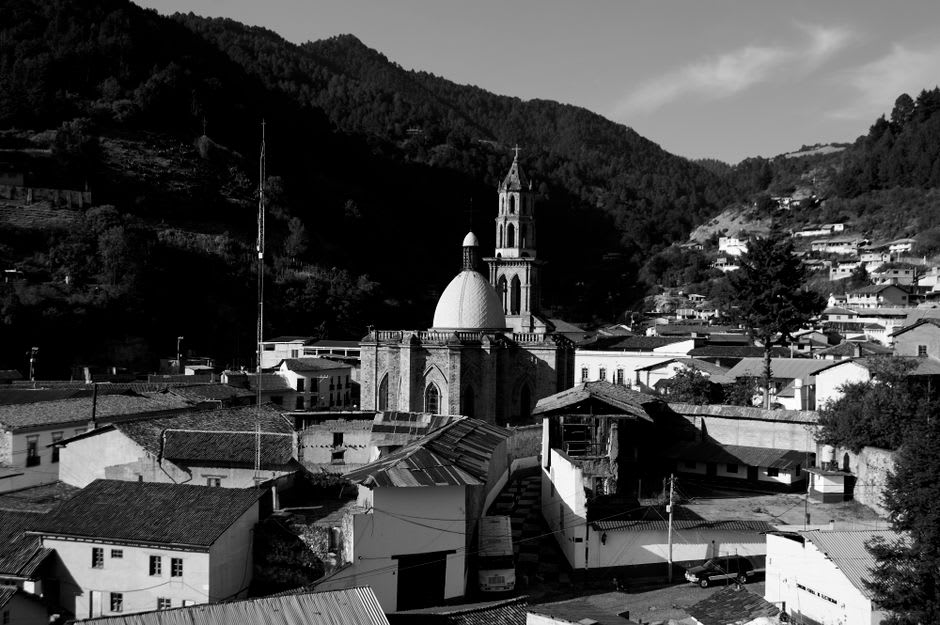
The town has basic guesthouse accommodation — nothing marketed, nothing with a website, but functional and clean and run by people who will feed you if you ask. This is the Sierra Madre: bring a jacket even in summer, bring cash, and do not plan a tight schedule. The road will loosen it for you.