San Juan del Río, Durango
"The maestro mezcalero poured from an unlabeled bottle and explained each step while chickens wandered through the palenque. I bought four liters and had to rearrange my entire bag."
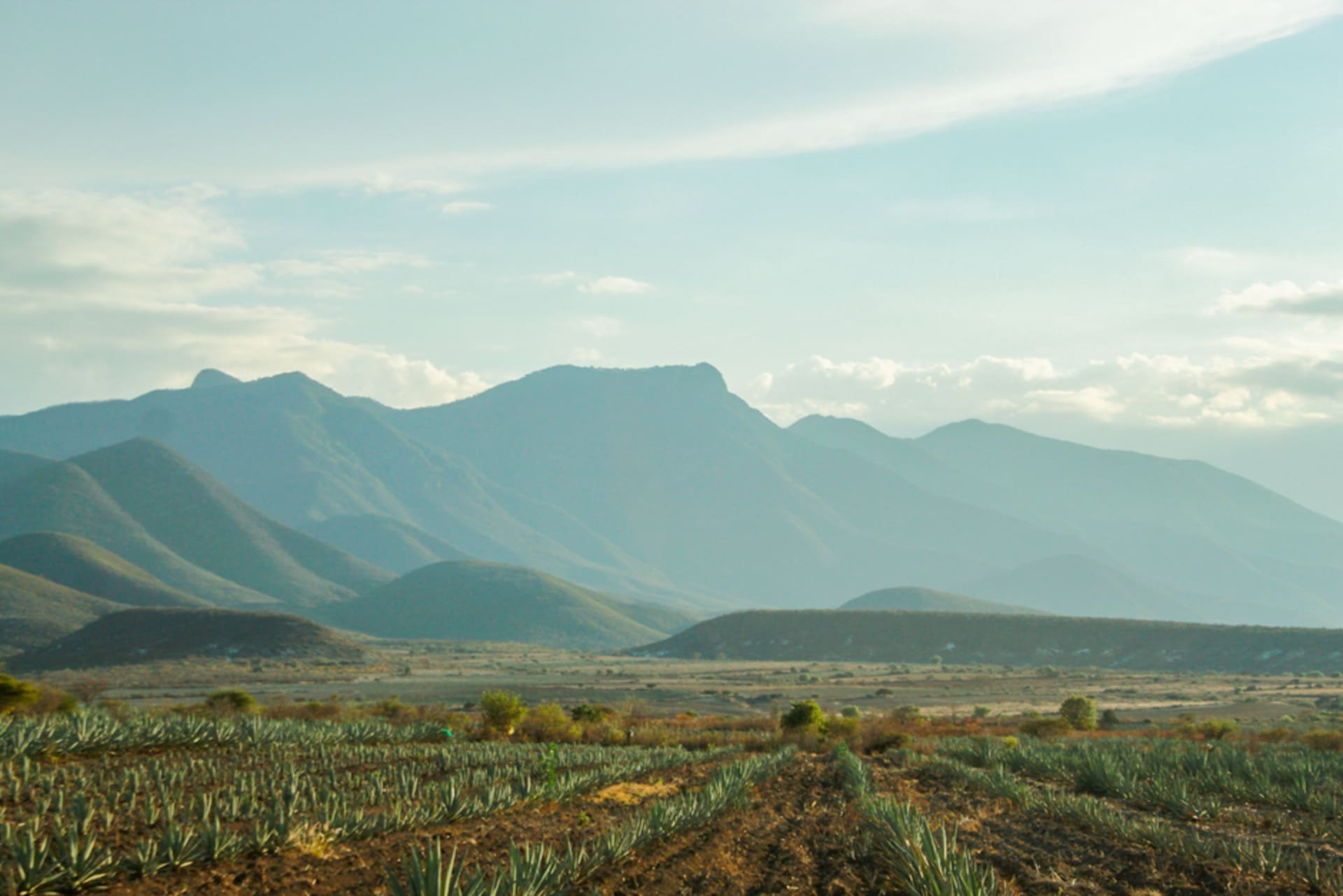
I almost turned around twice on the road in from Nombre de Dios. It narrows, climbs, and at a certain point becomes something only loosely describable as a road. But then the valley opens up and you can smell woodsmoke and roasted agave before you see a single building, and you understand immediately why people make this drive. San Juan del Río, Durango — not Querétaro, not that one — sits at the edge of the Sierra Madre where the agave grows in thin, rocky soil and the mezcal produced here has never needed a marketing campaign.
The Palenques
There are no tours with scheduled hours. You show up, someone’s uncle is cooking a piña, and if you’re not rude about it you’ll be handed a small clay cup within ten minutes. I spent a morning at a family operation near the edge of town where Don Aurelio, the third-generation maestro mezcalero, was overseeing a batch of tobaziche roasting in a stone-lined pit. He walked me through the entire process — the pit roast, the hand-crushed mash, the fermentation in open pine vats, the double distillation through clay and copper — while chickens moved freely between our legs. The mezcal he poured directly from the still, still warm, was unlike anything labeled and sold in a bottle. Smoky without being aggressive, with something almost herbal underneath. I asked if I could buy some and he filled four one-liter plastic water bottles for me. I rearranged half my bag on the spot and did not regret it.
The Village Itself
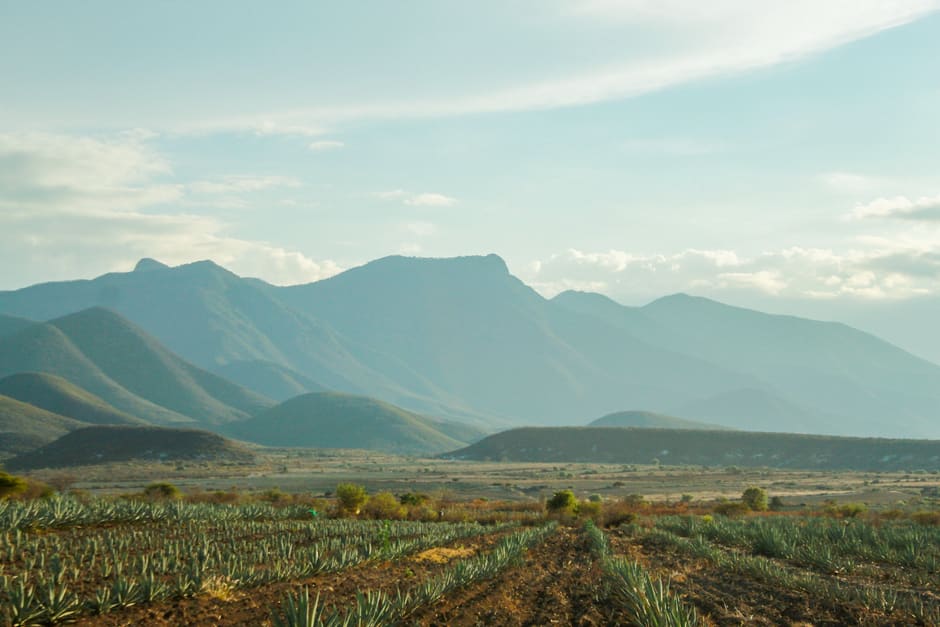
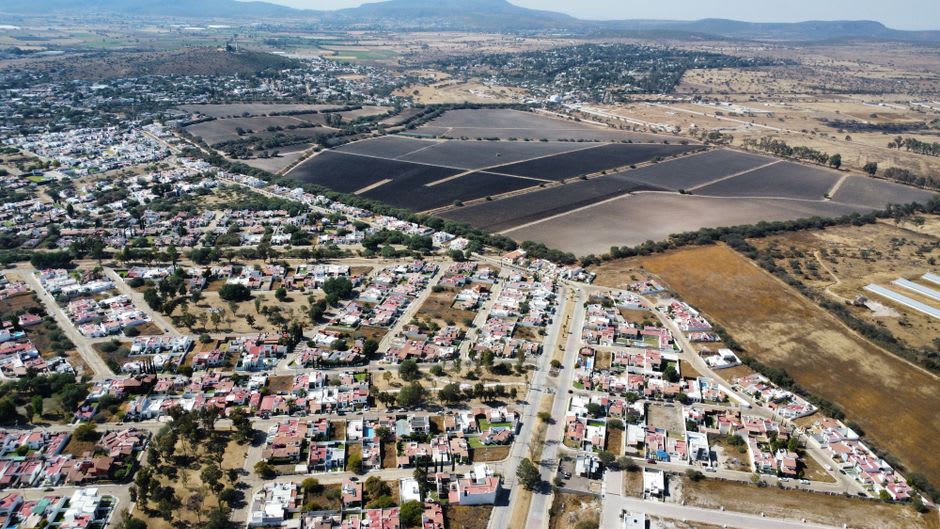
San Juan del Río is small enough that one afternoon on foot covers everything without effort. The central plaza has a modest 18th-century church and a tianguis on Sundays where women sell dried chiles, local cheese, and handmade tortillas from comals set directly on coals. I ate a lunch of gorditas stuffed with frijoles and requeson at a folding table beside the market, the kind of meal that costs almost nothing and stays with you. The surrounding landscape — agave-covered hillsides, dry oak forest, the occasional hawk circling — is austere in a way that suits the mezcal: nothing here is decorative, everything earns its place.
When to Go
Late October through February is dry and clear. The summer rainy season makes the road genuinely difficult and the pit roasting schedule sometimes slows. I went in November and had three consecutive mornings of cold, bright air and no other visitors at any palenque I walked into.
Getting There
From Durango city, take Federal Highway 45 south toward Nombre de Dios, then continue on the secondary road west into the sierra — roughly 120 kilometers total, the last third unpaved. A high-clearance vehicle is not strictly required in the dry season but makes the trip considerably less stressful. There is no bus service directly to the village. Plan to stay in Nombre de Dios or Durango city.