Canatlán
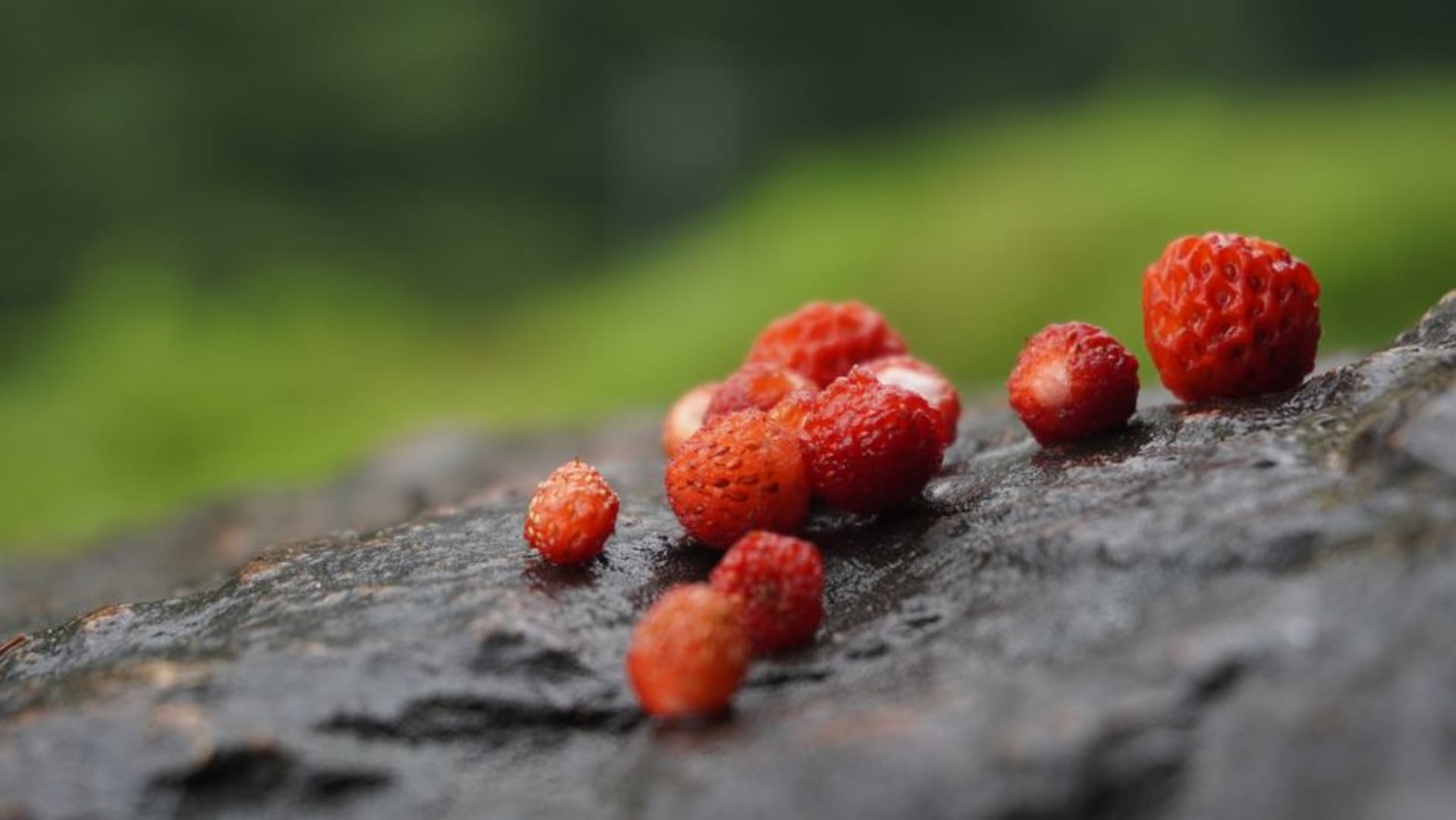
"A roadside stand sold strawberries by the kilo and mezcal by the liter. I bought both and ate them on the hood of the car looking at the sierra. Perfect afternoon."
I came through Canatlán on the way somewhere else, which is how you end up discovering the places that actually stay with you. The road north from Durango city climbs steadily onto the plateau, and somewhere around kilometer 80 the landscape opens into this improbable valley of red volcanic soil and pine forest where the air smells of elevation and damp earth. I had stopped at a roadside stand for water and left forty minutes later with a kilo of strawberries, a half-liter of mezcal in a recycled plastic bottle, and no particular interest in getting back in the car.
The Strawberry Valley
The fresas of Canatlán are not a footnote. Locals will tell you, without exaggeration, that the altitude and volcanic soil produce fruit with a concentration of flavor you do not find at sea level, and after eating them still warm from the field I have no argument to offer. The main growing season runs late spring through early summer, and during that window the roadside stands along the federal highway become their own kind of market — families selling directly, by weight, in those white foam trays stacked three deep. Some add cream, some add nothing. At the Mercado Municipal in town you find them in aguas frescas, in a simple agua de fresa that is essentially just the berries, water, and enough sugar to balance the acidity. What you will not find here is the cotton-soft, flavorless variety shipped to supermarkets. These have edges, almost a tartness, before the sweetness lands.
Mezcal and the Reason They Work Together
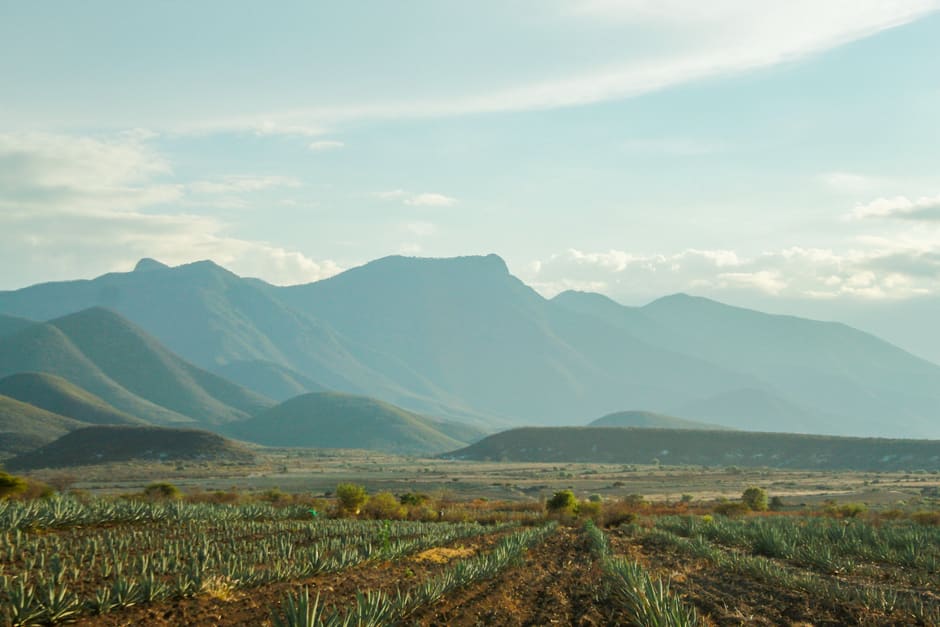
Someone will explain the logic if you ask: acid cuts through smoke, sweetness opens the agave, and together they make more sense than either does alone. The regional mezcal here is made from maguey cenizo, the variety that grows on Durango’s high plateau, and it has a rougher, earthier quality than the Oaxacan bottles you find on bar menus in the city. I drank mine from a small clay copita at a vinata — a family distillery on a dirt track off the main road — while the distiller’s daughter explained the production in a tone that suggested she had explained it many times and did not particularly mind explaining it again. She was sixteen and already knew more about fermentation than most sommeliers I have met. The combination of strawberry and mezcal, eaten rather than mixed, is something I now recommend to everyone and no one believes until they try it.
The Landscape Around Town
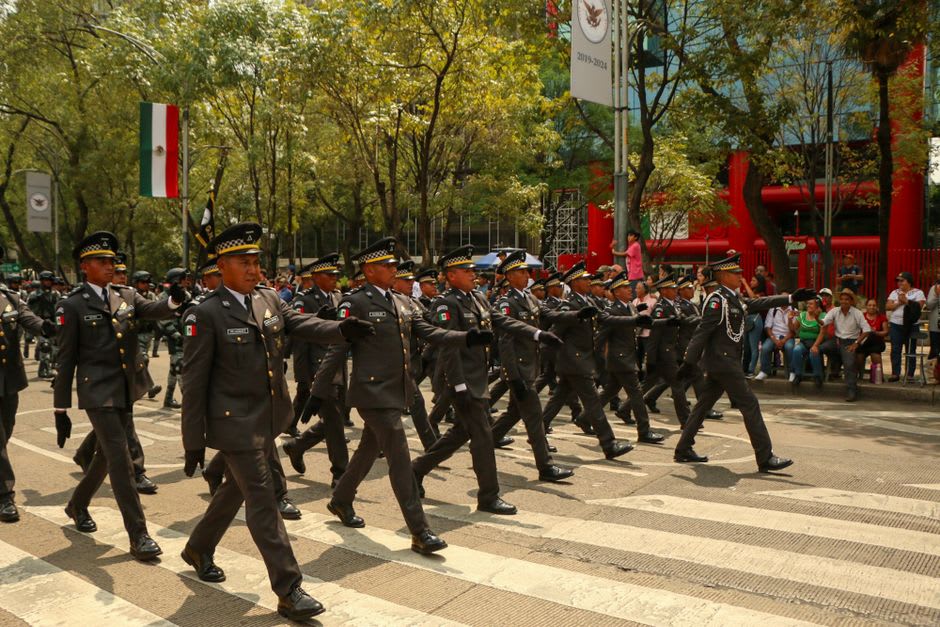
The volcanic formations north of Canatlán are worth the extra hour of driving. The road deteriorates past the town limits into something you would not want to attempt after rain, but in dry conditions it opens onto a landscape of basalt columns and pine ridges that feels genuinely remote. There are no signs, no entrance fees, no other tourists. I ate the last of the strawberries there, looking at the sierra, and felt the particular satisfaction of being somewhere that has not yet decided what to make of visitors.
Getting There
Canatlán is roughly 90 kilometers north of Durango city on Federal Highway 45. By car it is about an hour and a half depending on stops. There is no direct bus service from Durango city to Canatlán itself, though second-class buses toward Hidalgo del Parral pass through — confirm the stop before boarding. The strawberry market runs best April through June.