Quesería
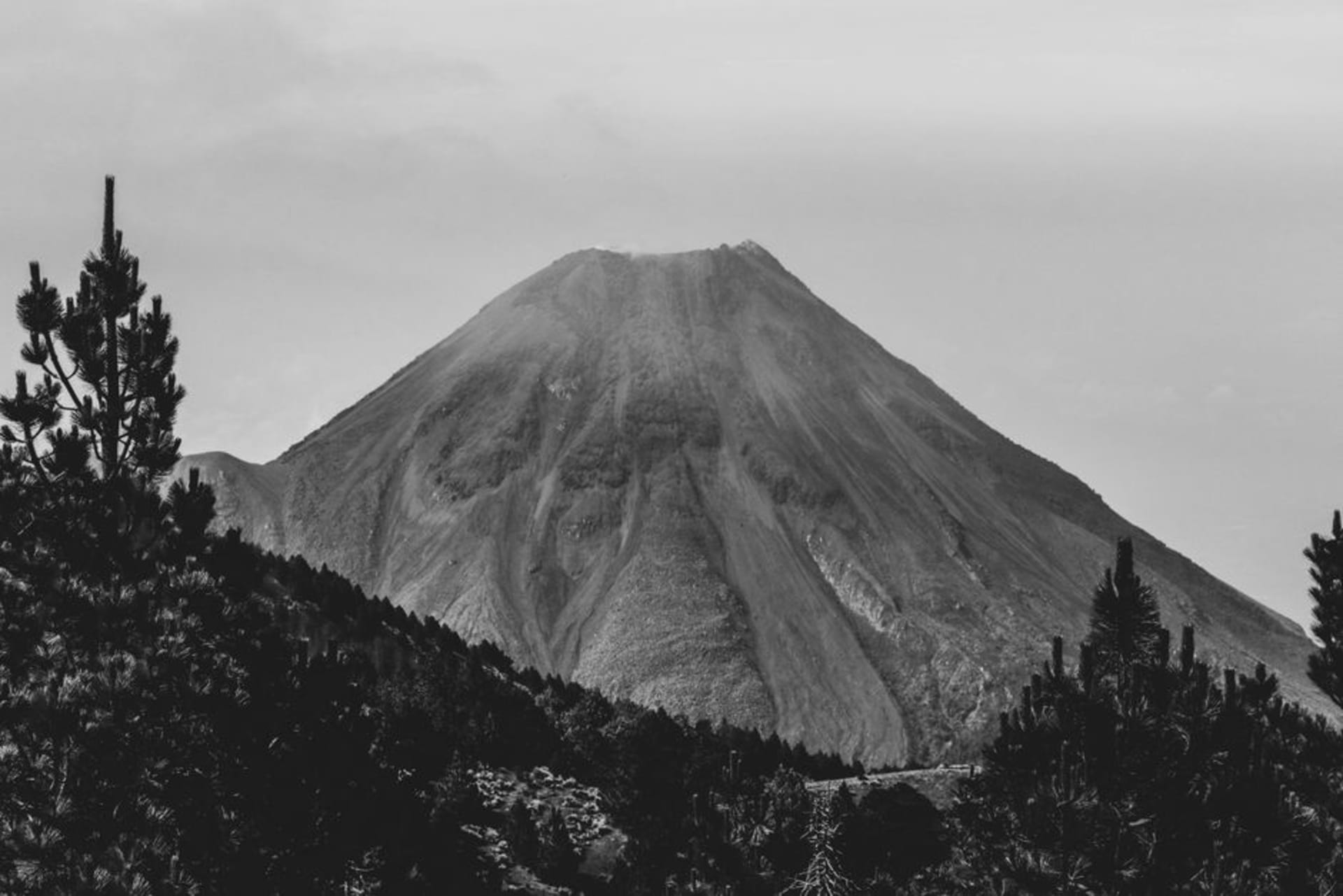
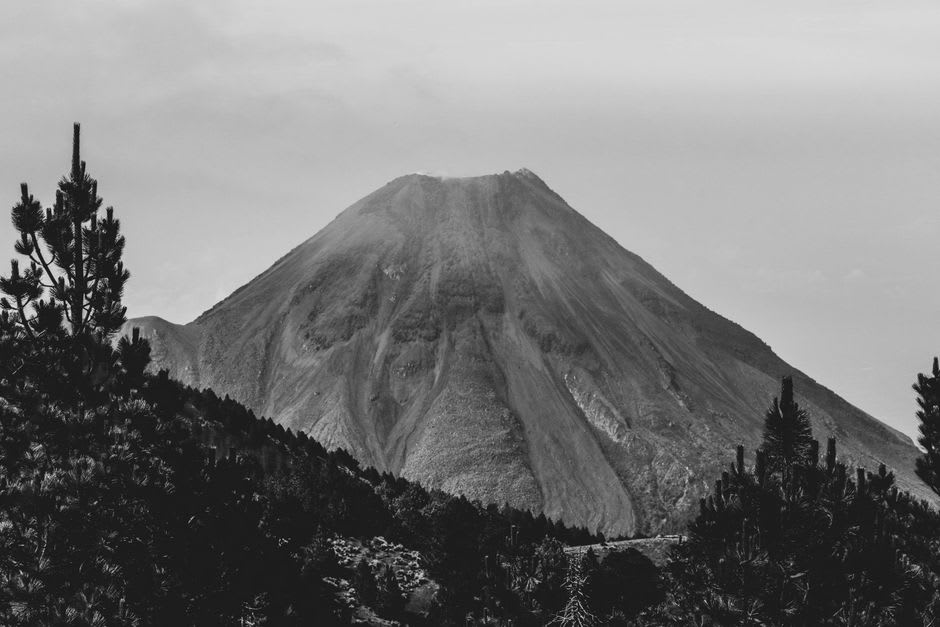
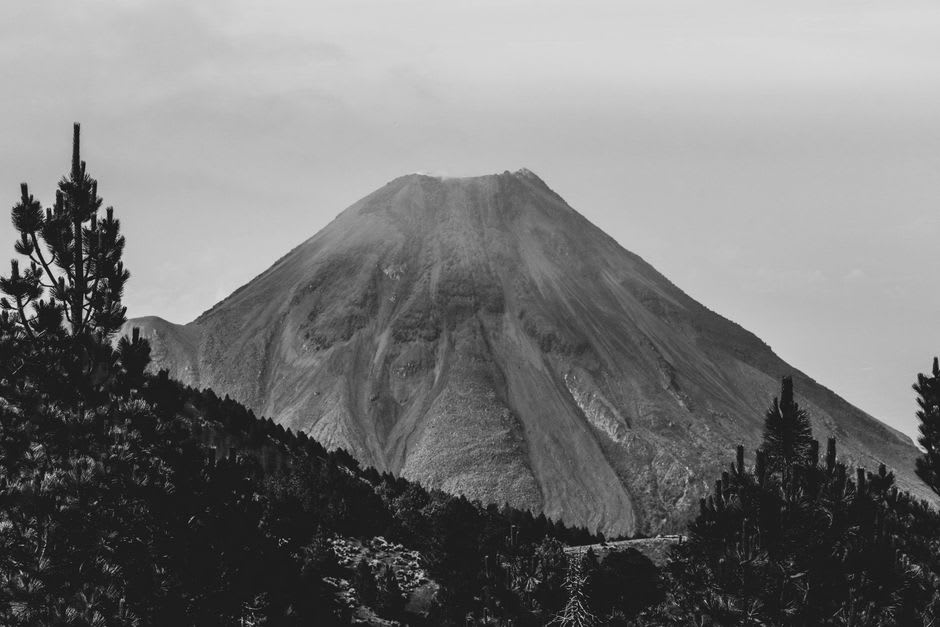
"The cheesemaker pointed at the volcano and said the ash makes the pasture sweeter. I had no way to argue."
I stopped in Quesería by accident — the kind of accident where you pull off the road because someone is cutting a wheel of cheese on a folding table next to a hand-painted sign, and two hours later you are still standing there with a wedge of aged ranchero in one hand and a plastic cup of agua fresca in the other, trying to figure out how to fit a kilo of cheese into a backpack that was not designed for cheese. The village sits maybe forty minutes from Colima city along the road that climbs toward the volcano. There is no real reason to be here unless you like cheese, and if you like cheese, there is no reason to leave quickly.
Cheese Made in the Shadow of a Stratovolcano
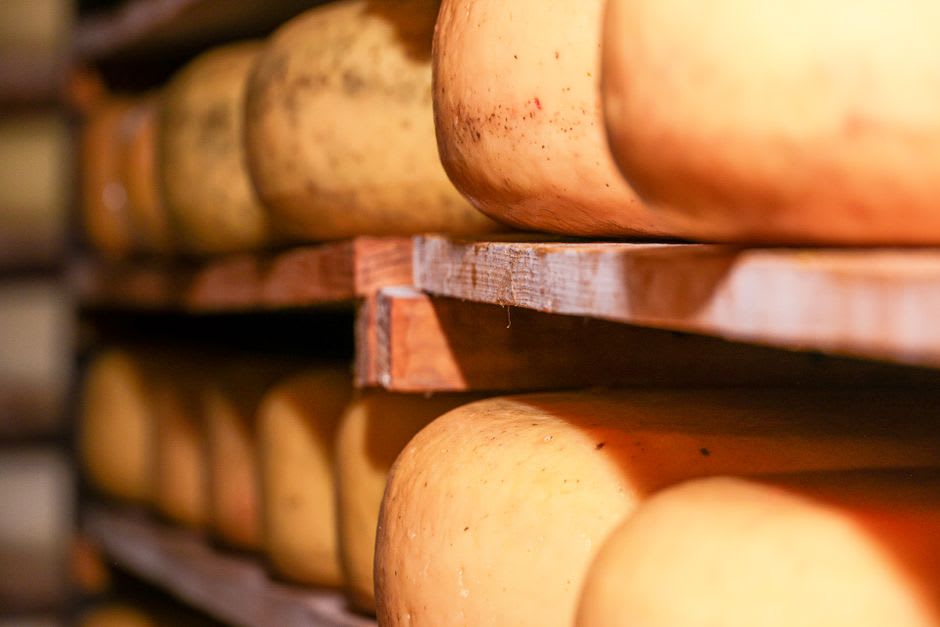
The thing nobody explains until you are standing inside one of the family operations — most of them just rooms off someone’s house — is how directly the landscape ends up in the product. Don Aurelio, whose dairy sits on the edge of the village proper, walked me past his small herd and toward the slope where the pasture runs greener than it has any right to in late dry season. He said the volcanic soil holds moisture differently, that the cattle eat less stressed grass. I cannot verify the agrochemistry, but the aged ranchero he cuts from a three-month wheel has a sharpness with a clean finish that I have not found replicated anywhere else in western Mexico. Quesería’s producers work without industrial equipment. Pressing is done by hand or with simple mechanical molds. Aging happens in cool rooms with no climate control beyond thick walls. The results are inconsistent in the way handmade things are inconsistent, which is to say interesting.
Queso de Tuna and What Prickly Pear Has to Do With Any of This
The regional specialty that requires the most explanation is queso de tuna, which is not a cheese at all but a thick paste pressed from cooked prickly pear fruit into brick-shaped blocks. It is intensely sweet, grainy, deeply colored — somewhere between burgundy and dried plum — and it is sold alongside the actual cheeses on every table in town because the local custom is to eat them together. The contrast is not subtle. You get the salt and funk of aged ranchero against something essentially jammy and perfumed with the slightly mineral edge of tuna fruit. It took me a few bites to stop thinking about it analytically and just eat it. That is usually a good sign.
The Village at the Right Hour
Quesería is quietest and most itself early morning, before ten, when the dairies are still working and the smell of warm milk is genuinely in the air. By midday the tables along the main access road have their goods out and a few cars have stopped. There is a small comedor near the church that serves a straightforward lunch — arroz, frijoles, a rotating guiso — and they will slice you cheese from whatever they have if you ask. The volcano, when it is not in cloud, sits there behind everything, enormous and slightly unreal.
Getting There
From Colima city, take the road toward Ciudad Guzmán — Quesería sits roughly 35 kilometers out, clearly signed off the main highway. Buses run from the Colima central terminal but service is infrequent in the afternoon. A car or a negotiated taxi from the city makes more sense, especially if you plan to buy cheese and need the trunk space. No fixed hours; most dairies receive visitors who knock.