
Torreón
"Torreón reminded me that Mexico's northern cities stopped trying to charm visitors decades ago and became more interesting for it."
I got off the Omnibus bus at Torreón at around eleven in the morning and my first impression was heat and exhaust. I had come from Saltillo, where people told me with some finality that Torreón was industrial, flat, and not worth staying for. I booked two nights anyway, something between stubbornness and curiosity. By the following evening I had extended to three. Torreón doesn’t open itself to you — it isn’t structured for that — but the city has a directness that accumulates, and certain specific things inside it are genuinely excellent.
Mercado Alianza
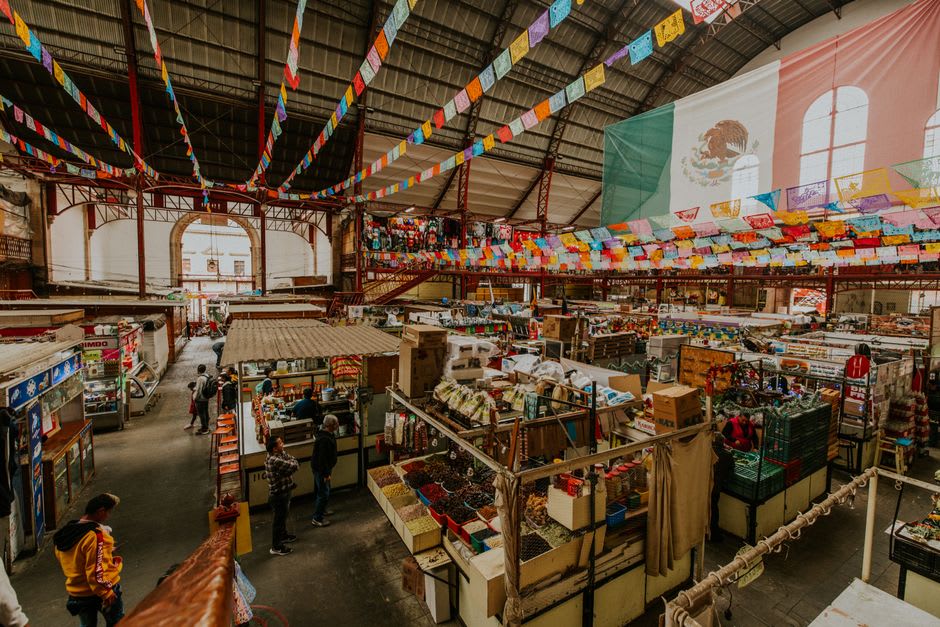
The Mercado Alianza sits off Calle Carranza in the centro, and it took me half an hour just to get through the first third of it. Unlike the sanitized markets being rebuilt for visitors in other parts of Mexico, this one is still organized around the actual commerce of a northern city: butchers with whole carcasses hanging from hooks, stalls selling dried chiles by the kilo in varieties I had to ask the names of twice — ancho, mulato, and a wide flat chile negro I hadn’t encountered before — and cheese vendors with blocks of asadero the size of small suitcases. I ate a gordita de frijoles standing at the edge of a narrow aisle and watched a woman negotiate the price of a sack of chickpeas with the quiet expertise of someone who has done this every Thursday for forty years. The prepared food section runs along the back wall — caldos, guisados, a very good birria de res — and the light that comes through the upper windows around noon makes the whole place look like a photograph from a century ago. Which, architecturally, a good portion of it is.
The Zona Central’s Forgotten Architecture
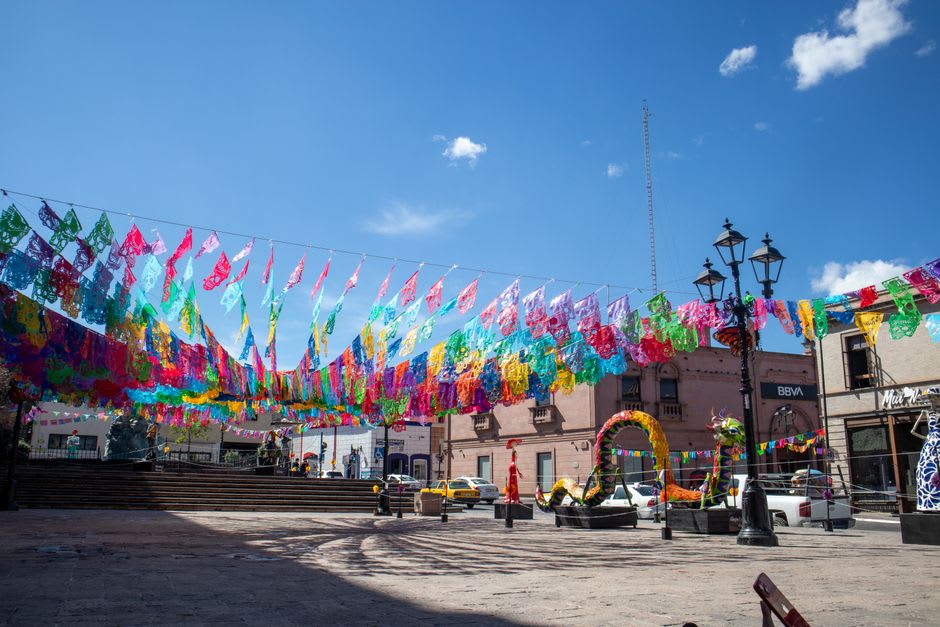
Torreón was built up fast during the Porfiriato and the years that followed, and the zona central holds a concentration of early-20th-century architecture that nobody seems to talk about outside Coahuila. The Palacio Federal on Avenida Morelos has a genuine weight to it — limestone and ornamental tile, the kind of building designed to communicate permanence in a place that didn’t yet have much of it. I walked the streets around the Plaza de Armas in the late afternoon, when the heat had dropped a few degrees and the light turned copper, and kept finding facades with that characteristic early-republican confidence: French-influenced cornices, ironwork balconies, buildings that aspired beyond function. The Museo Arocena, housed in what was a private mansion on Juárez, holds a collection of colonial-era religious art and regional archaeology that’s better than you’d expect. When I visited on a Tuesday the staff outnumbered the visitors three to one, which meant I had two people to answer my questions about a particularly strange 18th-century retablo, and they both had opinions.
Carne, Vine, and the Laguna Desert
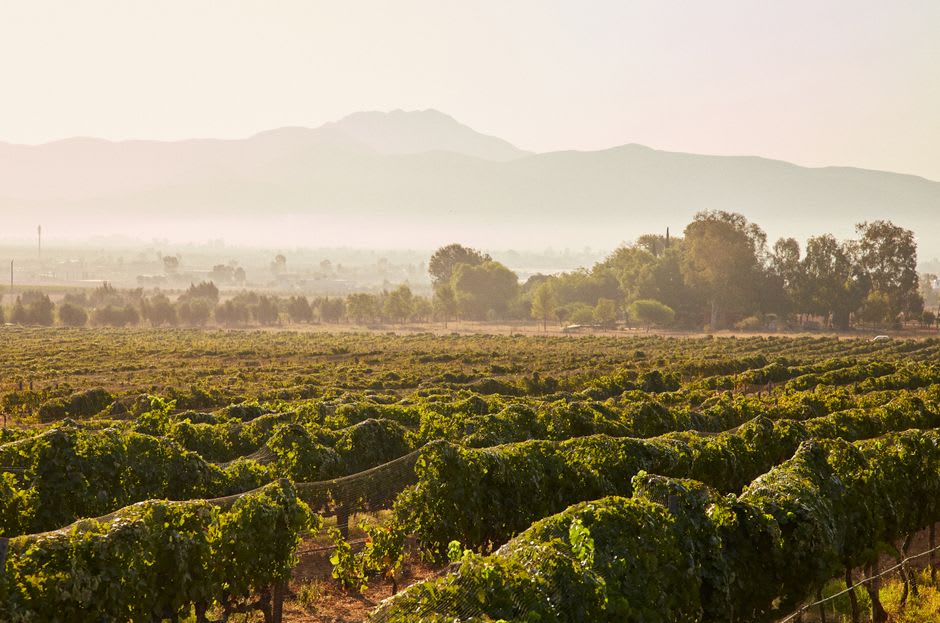
The food is what stays with you most immediately. Carne asada in Torreón is a ritual more than a meal — cooked over mesquite, served with handmade flour tortillas that come thin and slightly charred at the edges. I found what I needed at a small taquería on Boulevard Constitución, open only from six to eleven at night, where the tortillas came off the comal faster than I could eat them and the salsa verde had a smokiness I couldn’t entirely account for. For a day trip, I rented a car and drove toward the vineyards in the surrounding Laguna desert. The region is usually associated with Parras de la Fuente, two hours southeast, but smaller producers sit closer to the city. I tasted a Chenin Blanc aged in clay amphora at one of them — a producer off the road toward San Pedro de las Colonias — and thought about it for the rest of the week.
Getting There
Torreón’s Aeropuerto Internacional Plan de Guadalupe has direct flights from Mexico City, Monterrey, and Guadalajara. By bus, Omnibus de México and Futura connect it to Saltillo (roughly three hours) and Durango (about four). The centro histórico is walkable; for the farther colonias I used local combis, which run frequently and cost almost nothing.