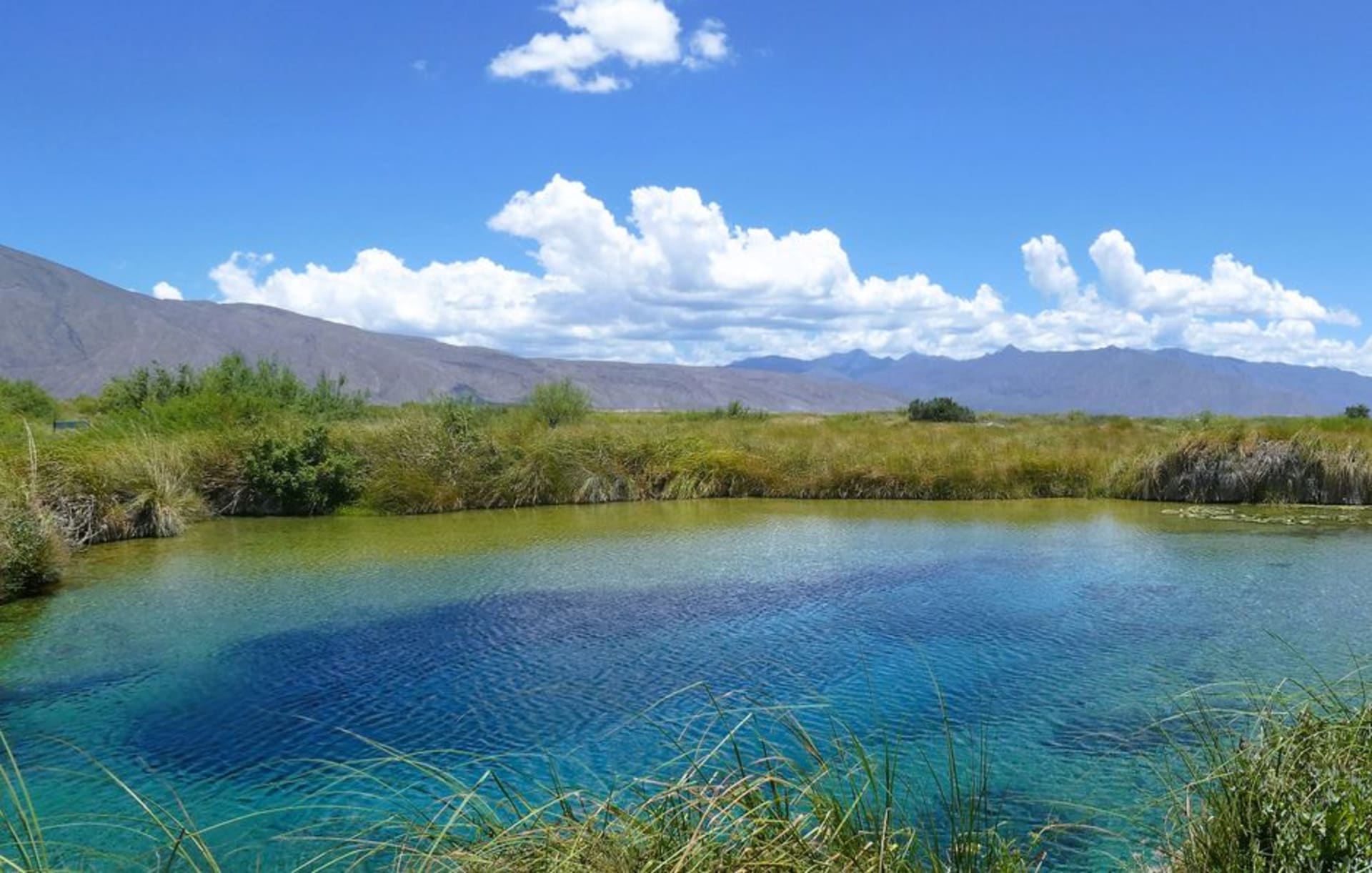
Sabinas
"The Kickapoo community straddling Mexico and Texas is one of those border stories that makes you rethink everything you thought you knew about borders."
Sabinas makes no effort to charm you, and I respect that. The downtown exhales an honest industrial fatigue — coal has been retreating here for decades, and the buildings know it. I came for one reason: to understand something about the Kickapoo, a tribe originally from the Great Lakes region that had wound up in the desert of Coahuila through a series of forced displacements I had never encountered in any history class. I stayed three days. The river alone would have earned two of them.
The Kickapoo of El Nacimiento
The story of how a Great Lakes Algonquian people ended up in the desert of northern Coahuila is long, violent, and genuinely astonishing. After refusing to cede their lands in Kansas and Oklahoma following the Civil War, several hundred Kickapoo crossed into Mexico in the 1850s, where the Mexican government — seeing them as a useful buffer against Comanche raids — granted them land near what is now Múzquiz. They settled at El Nacimiento del Río Monte, ninety minutes southwest of Sabinas, and they are still there.
What makes the Kickapoo situation singular is that the community also holds a federally recognized reservation in Eagle Pass, Texas, giving them a form of dual national standing that allows seasonal movement across the border. They speak Kickapoo, an Algonquian language entirely unrelated to Spanish, and maintain ceremonial practices that predate their contact with Europeans. Visiting El Nacimiento requires respect and prior arrangement — this is not a cultural museum, it is a living community — but the drive alone, through ranching country and dry riverbeds, tells you something important about the particular stubbornness required to remain who you are across two hundred years of being told to disappear.
Along the Río Sabinas
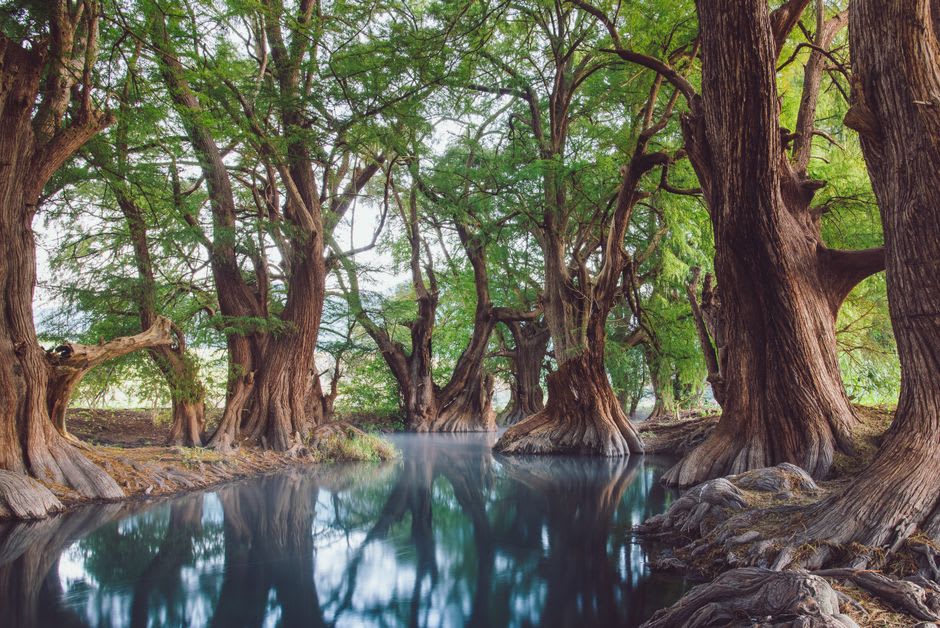
The river caught me off guard. I had imagined something grimy, the color of neglect. Instead it is wide and green in the evening light, cottonwoods leaning over the banks, a handful of local families set up in folding chairs with fishing lines in the water. The malecón is modest — a stretch of riverside walkway without pretension — but it works precisely because of that. Gorditas de frijoles from a cart near the bridge: I ate two standing up, watching a man in his seventies teach his granddaughter how to cast.
Sabinas town itself is functional rather than beautiful, but the Mercado Municipal on Calle Juárez rewards a slow hour. The lunch counters inside serve caldo de res with the particular weight that makes sense only in coal country — a broth built for people who work with their bodies. Order it before noon, when it is still at full strength and the tortillas are coming off the comal.
A Few Practical Notes
Stay at one of the smaller hotels near the central plaza rather than the highway options — the noise difference at dawn is significant, and the walk to the river takes four minutes on foot. If you are continuing to El Nacimiento, fill the tank before leaving Sabinas; the road through Múzquiz is paved and straightforward, but fuel stations thin out once you leave town. Bring cash — ATMs exist but are not reliable on weekends. The best time to visit is October through March, when the heat becomes something a person can reason with. Sabinas does not ask to be loved. It asks only that you pay attention long enough to see what is actually here.
Getting There
Sabinas sits roughly 180 kilometers southwest of Piedras Negras via Federal Highway 57D. The drive from Monterrey runs about three hours. Direct buses connect from Monterrey’s Central de Autobuses Norte to Sabinas and Múzquiz. El Nacimiento del Río Monte is ninety minutes southwest by road — a rental car or arranged local transport is the only realistic way to reach it.