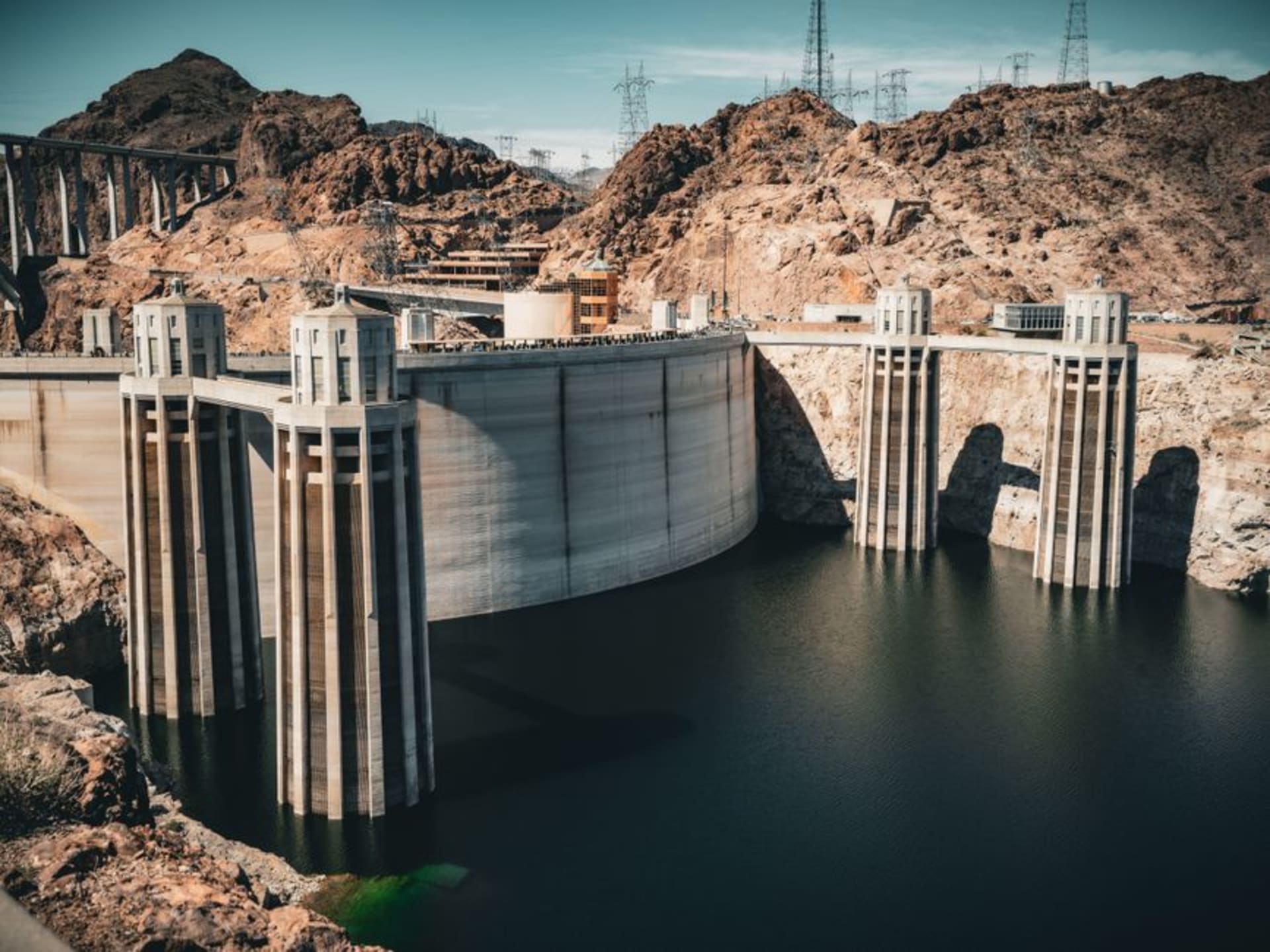
Presa de la Amistad
"I kayaked into a flooded canyon, looked left into Texas and right into Coahuila, and understood for the first time that some borders are just a question of which shore you chose to launch from."
I drove out from Ciudad Acuña on a Tuesday in late October, when the light comes in low and sideways across the Chihuahuan desert and everything looks slightly more dramatic than it has any right to. The reservoir appeared before I expected it — a flat turquoise inland sea pressed between red canyon walls, improbably large, the kind of scale that doesn’t register at first because your brain is still calibrated for the desert it replaced. A man at the boat launch was hosing down a bass boat with Texas plates. Two pelicans sat on a buoy stenciled with FRONTERA in fading paint. I stayed four days.
Where the Canyons Went
The Amistad Dam was completed in 1969, flooding a system of limestone gorges the Rio Bravo had spent millennia carving through the Chihuahuan desert. What the engineers left behind is stranger than a lake. On calm mornings with good light, you can see the canyon walls continuing below the waterline, dropping into green shadow, the old riverbed somewhere much farther beneath you than feels plausible. I rented a sit-on-top kayak from a family operation near the Mexican marina — 250 pesos for a half day, life jacket included, a hand-drawn map of the better canyon arms sketched onto a paper bag — and paddled into one of the flooded gorges for about two hours.
The thing nobody tells you about the Amistad canyons is the silence. The walls are high enough to block the wind, and the water between them is glass. Swallows nest in the limestone faces and drop to the surface so fast you hear the impact before you see the bird. I paddled until I stopped being sure which country I was in. The answer, technically, is both — the international boundary runs down the center of the reservoir, and the canyon mouths don’t observe it.
The Fishermen and the Bridge Town
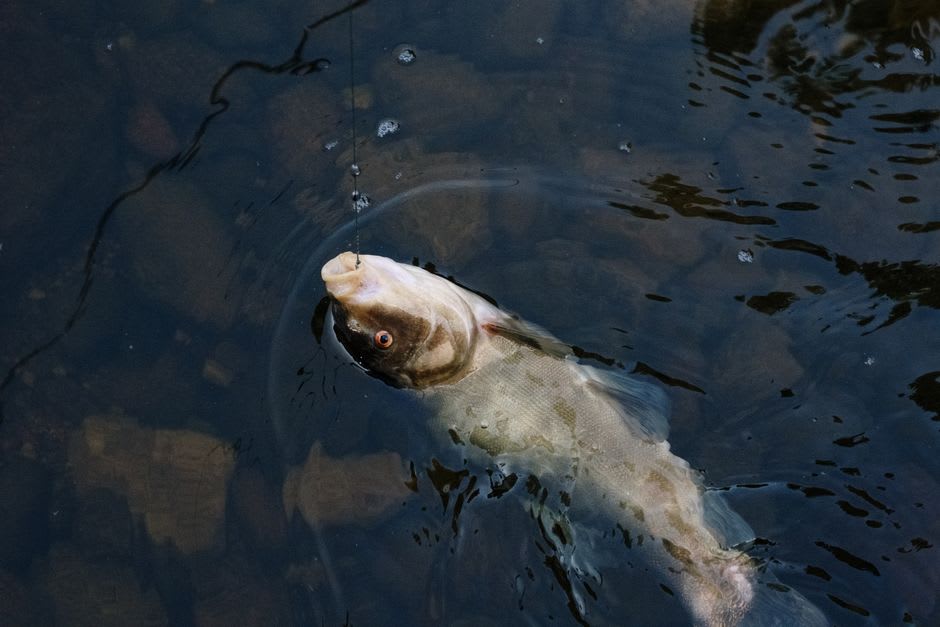
The fishing is what brings most people here — specifically American fishermen from San Antonio and Austin and Laredo who cross at Ciudad Acuña and drive directly to the water. They know things about largemouth bass that I don’t: specific coves, thermoclines, times of year correlated with moon phases. They discuss the reservoir with the concentrated reverence that obsessives use for their obsessions, and they are right to. The bass fishing at Amistad is genuinely that good, which is why tournaments run here throughout the year and why you will share the water with boats that cost more than some houses in Ciudad Acuña.
The town itself is a border crossing in the functional sense: auto parts shops, a central plaza with a solid cathedral, an international bridge seeing several hundred trucks and pickup-boat combinations daily. It doesn’t ask to be romanticized. I ate dinner twice at a lonchería on Calle Hidalgo that served birria de res in a clay bowl so good I asked the owner if she’d be open Sunday. She looked at me the way you look at someone who has asked an obvious question.
Before You Launch
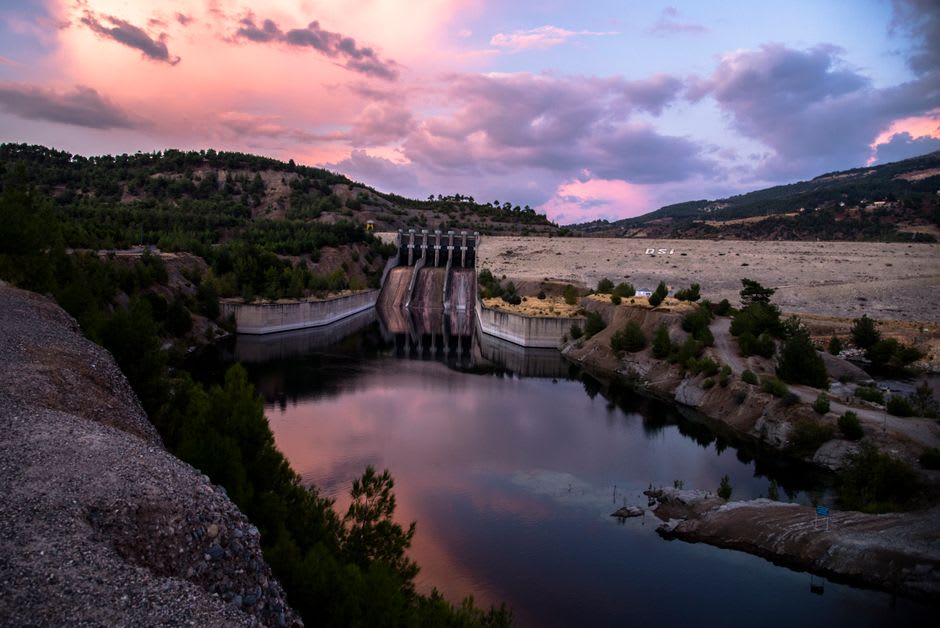
The best time to be on the water is either the first two hours after dawn or the last two before sunset, when the canyon walls shift from red to ochre and the pelicans come back over the reservoir in loose, unhurried formation. I launched from the Mexican side both mornings — the boat ramp near the marina off the carretera toward the dam, where a man named Ernesto rents kayaks and appears to also be constructing a floating dock in some indefinitely extended personal project. Bring substantially more water than you think you need. The Chihuahuan desert reflects off the reservoir surface and the sun, out here with nothing to interrupt it, is more serious than it looks.
Getting There
Ciudad Acuña is the entry point on the Mexican side, roughly 3.5 hours by car from Monterrey and 4 hours from San Antonio via the Del Rio international crossing. ETN and Omnibus de México both run buses from Monterrey, around 4 hours. The dam and main boat access sit about 15 minutes west of town on the federal highway. October through February is the right season — the desert is tolerable, the light is extraordinary, and the bass tournament crowds have thinned to something manageable.