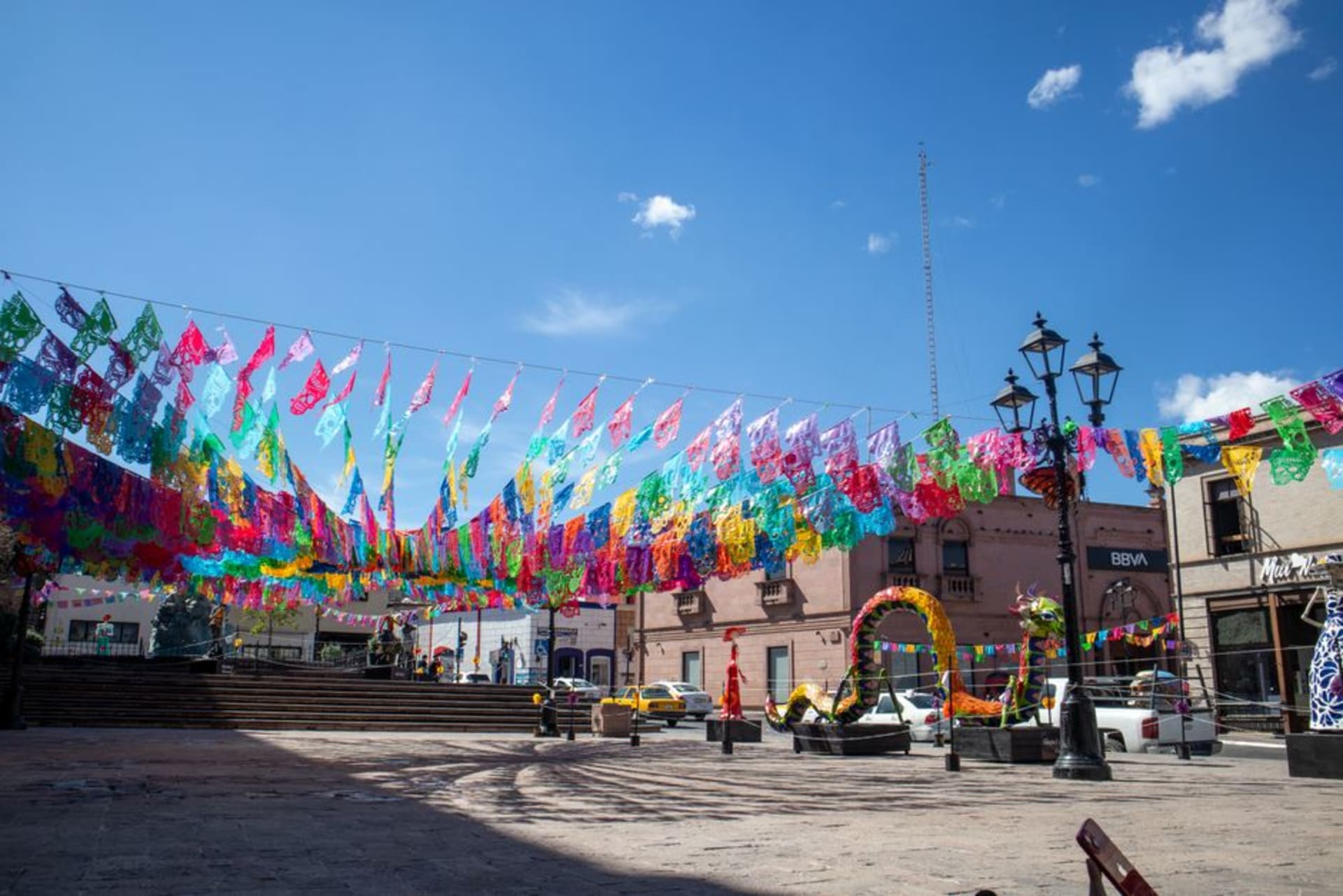
General Cepeda
"The museum director showed me a hadrosaur femur with the same casual energy someone else might use to show you a particularly nice tomato from their garden — this is just what grows here, under the dust."
I drove out from Saltillo on a Tuesday morning when the roads were still quiet and the light came sideways across the valley. The drive through the high desert — scrub, agave, the occasional goat herd drifting toward the shoulder — takes just over an hour and deposits you into General Cepeda without fanfare: a central plaza, a painted church, the kind of unhurried late morning that settles over small Coahuila towns like dust on a ledge. I was there for the bones, which sounds like the beginning of something morbid and is not.
What the Hills Have Always Known
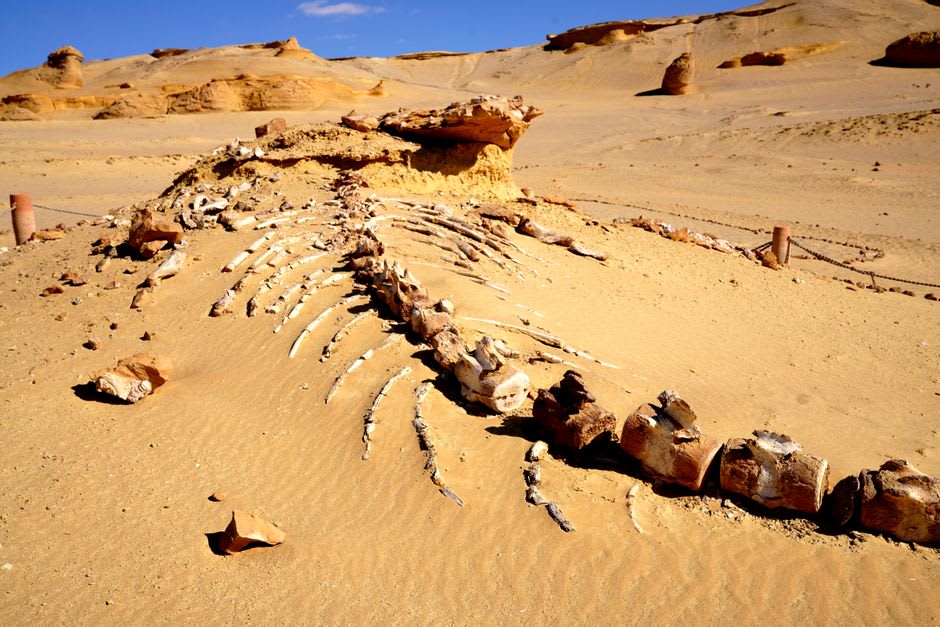
The Museo Paleontológico sits a short walk from the plaza, modest in size and disarming in content. The director — a compact man who seemed genuinely puzzled that I had driven ninety kilometers specifically to see his collection — walked me through the main hall with the unhurried confidence of someone who stopped being impressed by his own inventory years ago. A hadrosaur femur, partially reconstructed. Titanosaur vertebrae pulled from the surrounding cerros over the past few decades. An ankylosaur fragment that arrived, he told me, in pieces, from a hill about eight kilometers east.
What strikes you is not the scale of the fossils — though some are substantial — but the matter-of-factness with which they are presented. No overwrought lighting, no dramatic narration piped through speakers. Just bones and casts and handwritten cards, arranged as if the question of how remarkable this is has been thoroughly settled and everyone has moved on to simply documenting it. The region around General Cepeda has been yielding significant specimens since the 1980s, and excavations in the Cerro del Huizachal and nearby formations continue quietly. This is a museum that does not need to persuade you of its own importance.
The White Dunes
I asked the director for directions to the Lomas Blancas before leaving. He gave them the way you give directions to something that is both obvious and undervisited — a turn after the ejido, then follow the dirt road until it looks like the world has changed. It takes maybe twenty minutes from town.
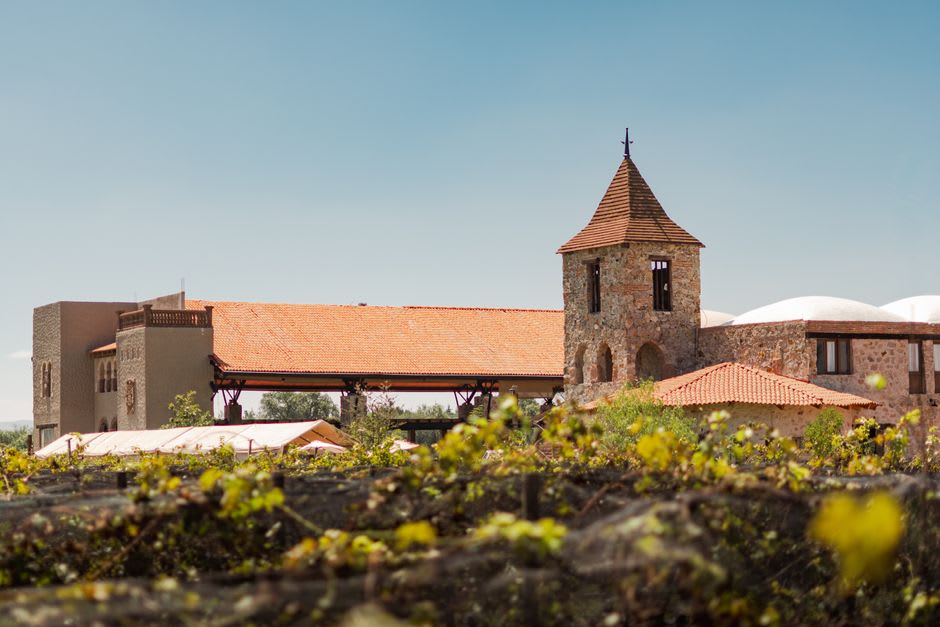
The Lomas Blancas are a field of white silica dunes rising from red-rock and ochre badlands, and the effect when you crest the first ridge is genuinely disorienting. The dunes are not enormous — you are not in the Sahara — but the contrast between the white silica and the rust-colored hills behind them is sharp enough to feel implausible, like someone has placed the wrong landscape in the wrong valley. I walked for the better part of two hours and saw no one else. The silence out there is the particular kind that comes from the complete absence of anything that makes sound: no wind, no birds, no distant highway. I sat on a ridge, ate a torta I had picked up at a small shop on the way out of town, and felt, for a while, genuinely suspended.
The Town, at Lunch
The plaza rewards a slow circuit before you leave. There is a fondita on the east side — I went with the caldo de res, which arrived in a bowl deep enough to require commitment, with a stack of fresh tortillas and a chile de árbol salsa that was more heat than ceremony. The cabrito al pastor was on offer; I ordered a half portion and ate it at the counter while a telenovela played on a mounted television at considerable volume. No complaints on any count.
General Cepeda is the kind of place that works best when you arrive without a list. The museum, the dunes, a long lunch — that is essentially the full day, and it is enough. The town does not perform for visitors, which is precisely why it is worth the detour.
Getting There
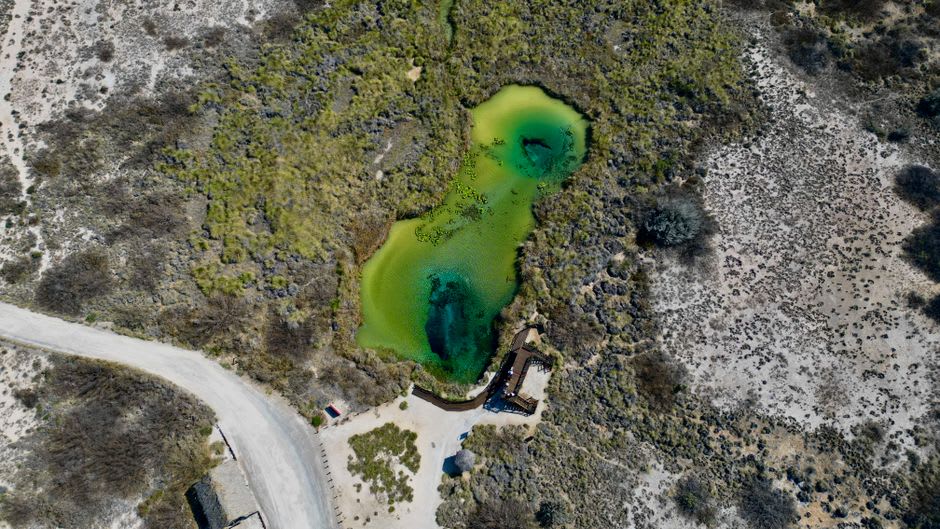
General Cepeda is ninety kilometers southwest of Saltillo on Federal Highway 54, a drive of roughly ninety minutes by car. Buses run from Saltillo’s Central de Autobuses, but service is infrequent — confirm schedules before relying on them. The best months are October through April, before summer temperatures climb into the high thirties. The Lomas Blancas require a short dirt-road drive; a regular car handles it comfortably in dry conditions.