Candela
"I soaked in 40-degree thermal water in the middle of the Coahuilan desert with a 300-year-old church tower in my line of sight — the kind of afternoon that makes you question every city you have ever lived in."
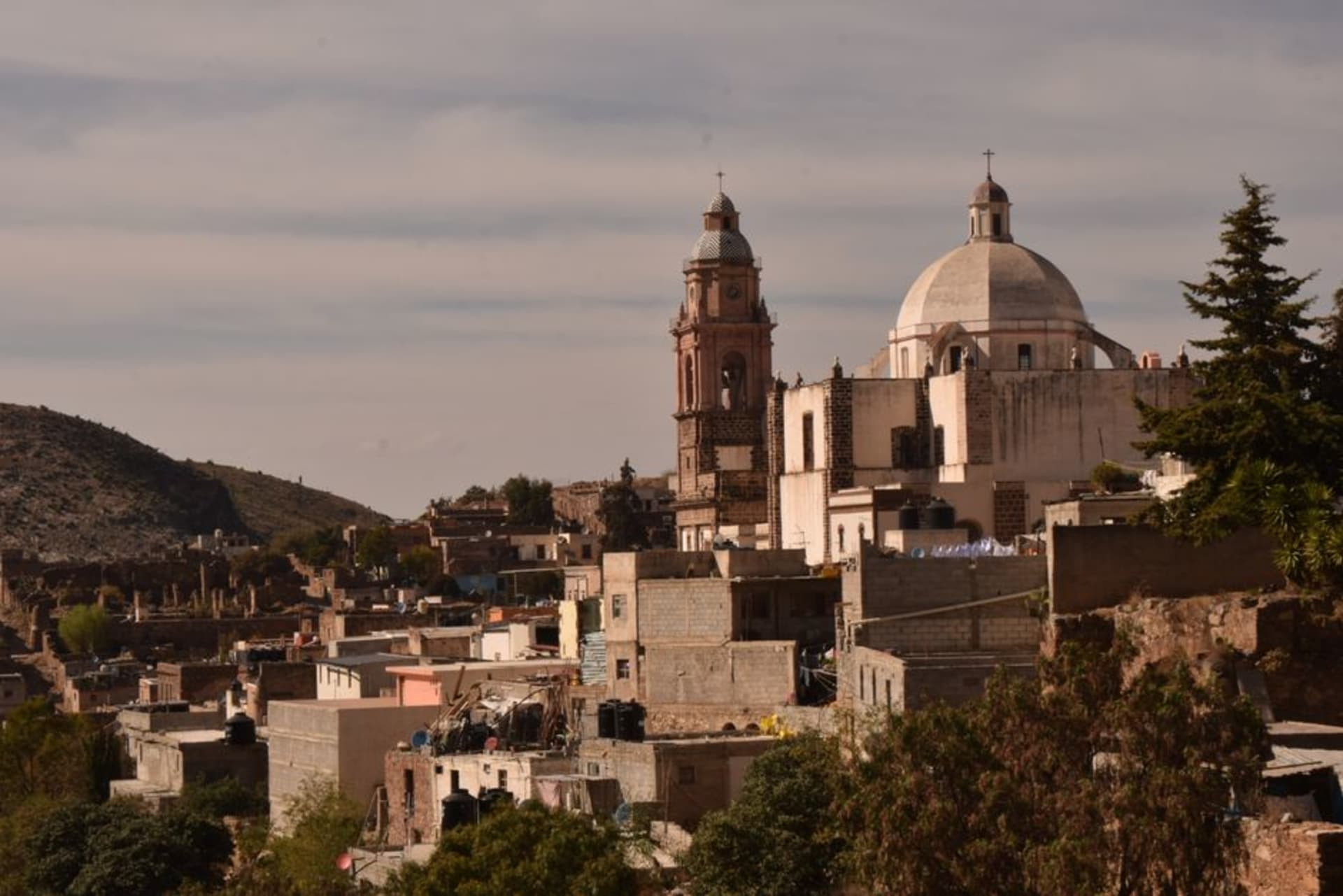
The thing Candela doesn’t do is announce itself. I drove in from Monterrey on a Tuesday morning in March, the Sierra Madre foothills turning drier and more dramatic the further north I pushed, and then the town appeared — maybe four hundred meters of main street, a plaza of clipped laurel trees, and the pale stone facade of the Parroquia rising above it all with the air of something that has been here too long to be impressed by visitors. A woman at the tienda near the plaza entrance was already watching me park. She knew I was passing through. Everyone did.
Forty Degrees, in the Middle of the Desert
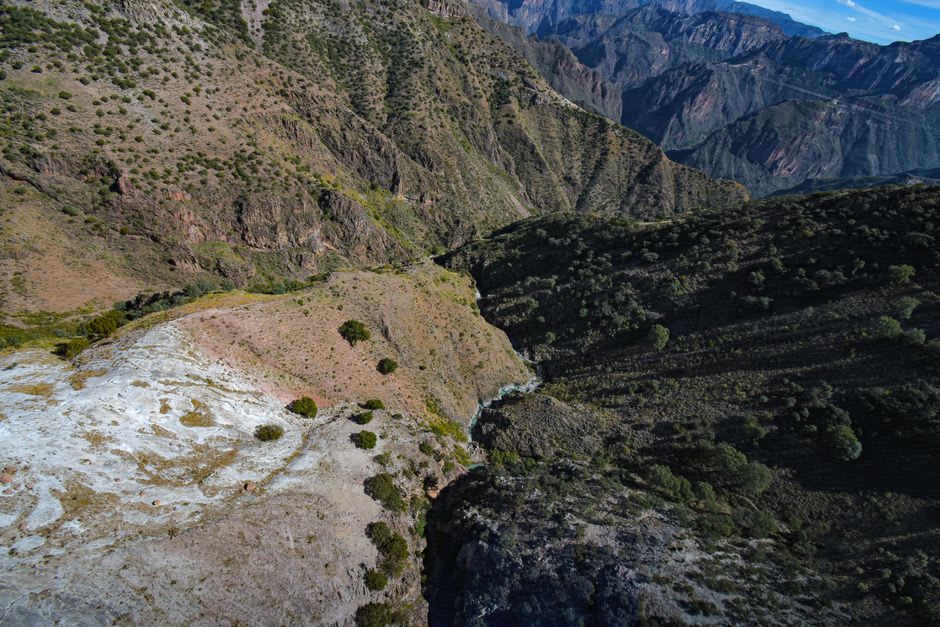
The balneario sits at the edge of town and costs next to nothing — sixty pesos when I visited, a sum that felt almost apologetic given what you get. The pools are fed by underground geothermal water that surfaces at around 40°C, a temperature that takes some adjustment before your shoulders finally decide to cooperate. I stayed two hours longer than I had planned. The surrounding landscape is scrubland and pale rock, and there is something quietly surreal about being chest-deep in warm mineralized water while a hawk traces slow circles overhead and a ridge of the Sierra Madre fills your horizon. On that Tuesday in March I shared the main pool with a single family from Monterrey who arrived, ate their tortas at the edge of the water, and left by two in the afternoon. After that it was just the water and the birds and a low hum of geothermal pressure that you eventually stop noticing.
The Church That Has Outlasted Everything Around It
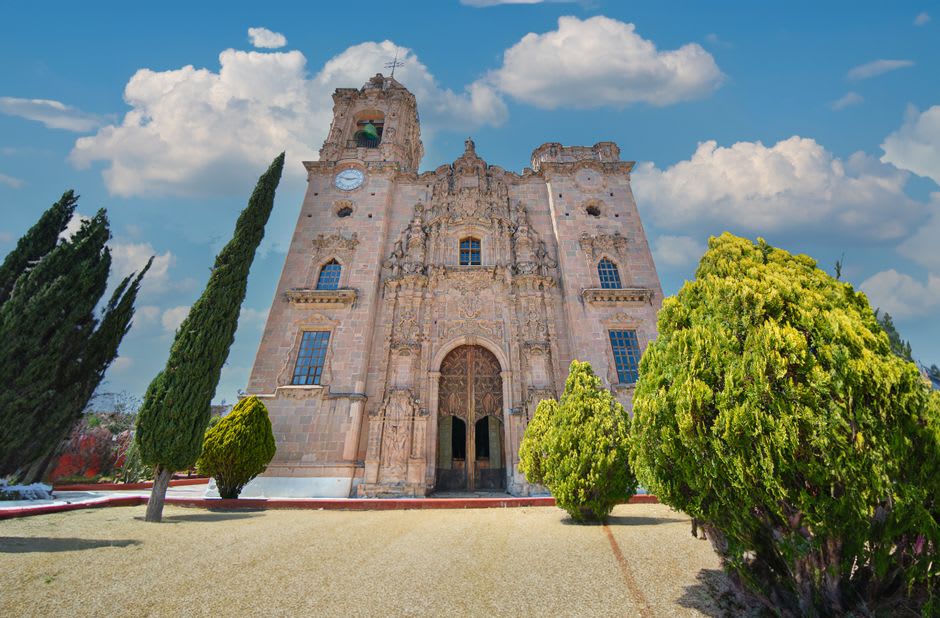
The Parroquia de la Purísima Concepción was founded in the late 17th century, during the years when this stretch of Coahuila was still being mapped and contested and occasionally put to the torch. What stands now is not exactly what was built then — the tower was rebuilt after a 19th-century flood, the interior repainted at some point in a shade of yellow ochre that doesn’t quite match the mood outside — but the bones are original, and the stones in the facade carry the particular weight of things that have survived things. I sat in the pews for twenty minutes on a Wednesday afternoon. Three other people were inside, all local, none of them treating the building as a sight worth commenting on. That felt like the right proportion. The plaza beside it has benches, the laurels the municipality clips into perfect spheres, and a bandstand that sees more pigeons than events.
What to Eat and When to Come
For lunch I found a comedor on the street behind the market — no sign, three tables, a pot of caldo de res that had been cooking since early morning, and flour tortillas made on a comal set directly over a gas burner. I paid seventy pesos. The woman running the place did not ask where I was from, which was also refreshing. If you are there on a weekend, the tianguis near the plaza occasionally has local dried chiles, herbs, and fresh cheese from ranches a few kilometers out. Buy what you find. The cooking in this part of Coahuila is northern in the plainest sense: good masa, good beef, good fire, very little else required.
Getting There
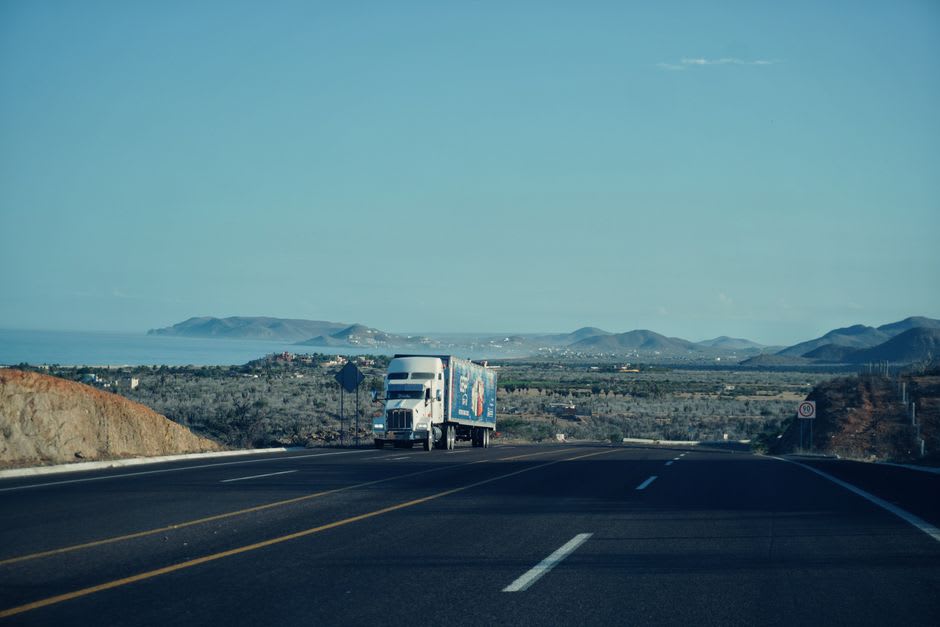
Candela is about 90 minutes north of Monterrey via Carretera 1 and a state road that narrows as it approaches town. There is no confirmed direct bus service — most visitors drive, though lines toward Sabinas allow for a transfer. November through March is the most comfortable season for the balneario; desert summers here are serious. Come on a weekday: Monterrey day-trippers fill the pools on Saturdays, and the Candela worth seeing is the Tuesday version.