Acuña
"Border towns are places where the fiction of the line between two countries becomes impossible to take seriously — Acuña and Del Río are the same river valley with two different flags."
The bus from Piedras Negras drops you on the edge of Acuña’s centro around noon, and by the time I had walked three blocks I had lost track of which country’s logic was supposed to apply. The answer, I decided, is neither — or rather, both simultaneously. Across the Río Bravo, Del Río, Texas was doing whatever Del Río does on a Wednesday. On this side, the tlapalería was closed for comida, a group of teenagers was playing basketball with the intensity of a final, and someone’s grandmother was selling gorditas de nata from a folding table near the church. That, in brief, is Acuña.
The River That Isn’t a Border
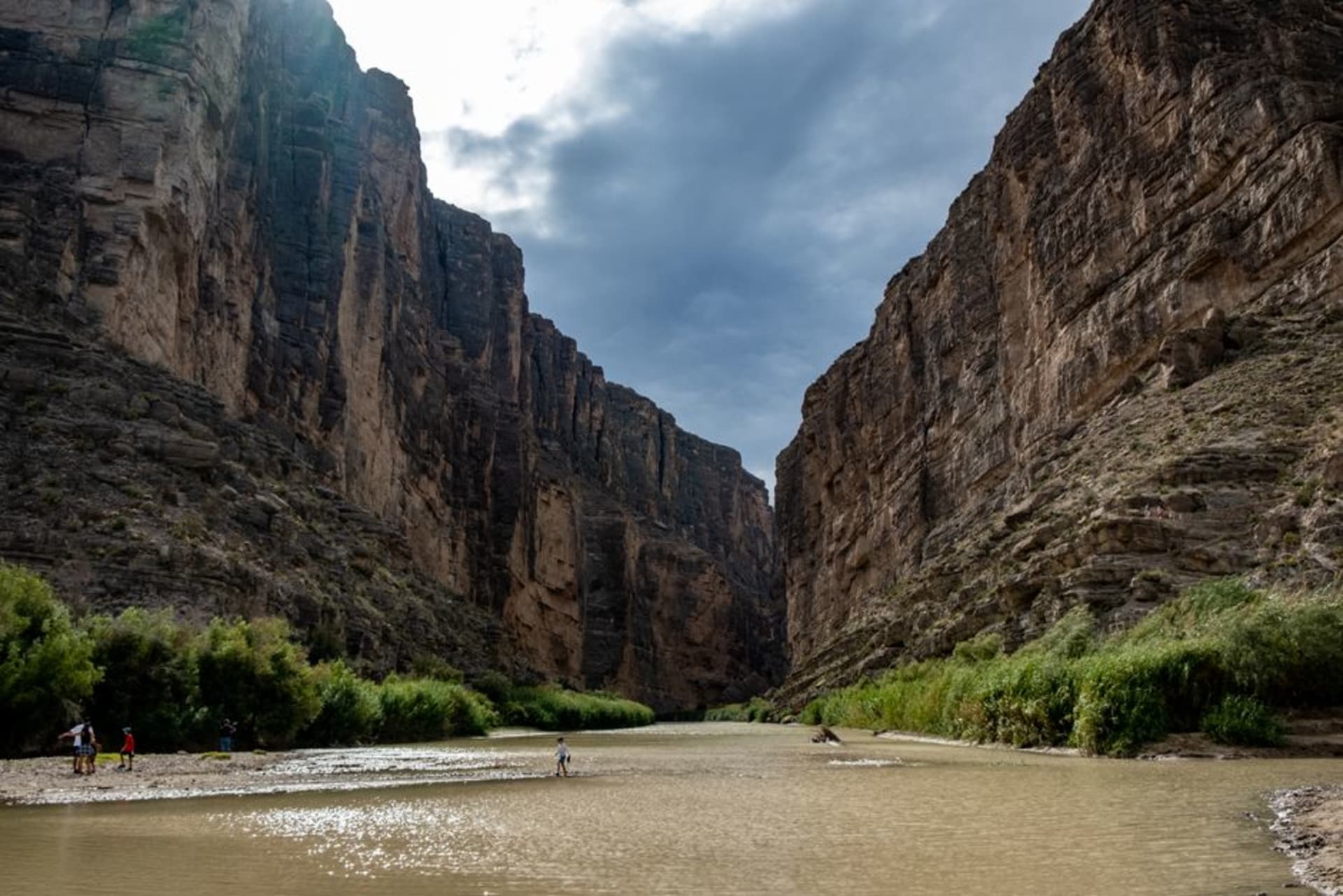
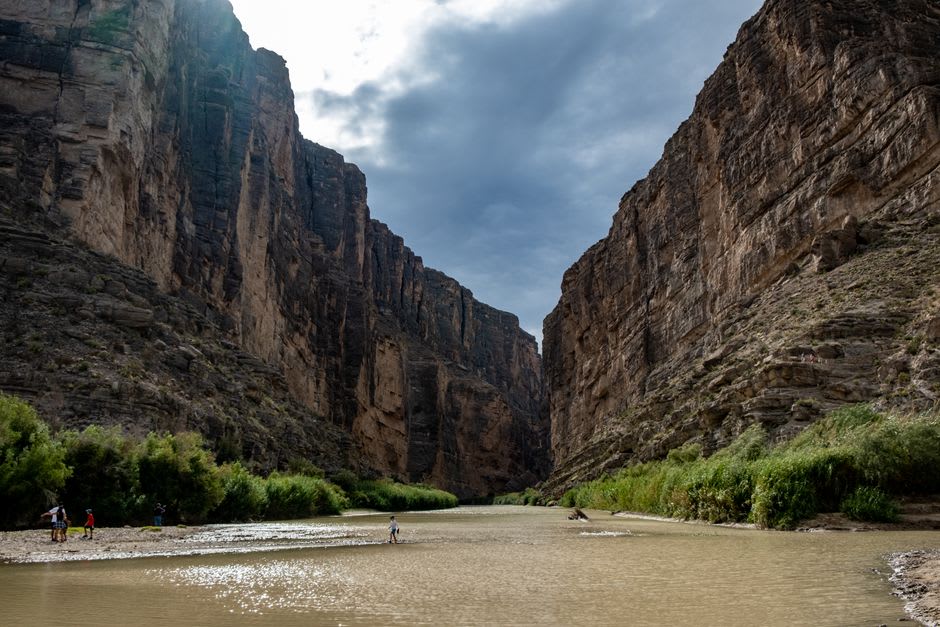
The Río Bravo here is not a dramatic boundary. It is narrow enough that on still mornings you can hear music from the other bank, and families have been crossing it for generations — for work, for quinceañeras, because a cousin has the better recipe for barbacoa. The Presa Internacional de la Amistad, the reservoir both countries share roughly twenty kilometers south of town, is named with an optimism that the people who live here would recognize as accurate even when their governments don’t. Fishermen from Del Río and from Acuña launch their boats from different ramps and end up in the same water chasing the same bass, which seems about right.
What this means on a practical level is that Acuña carries its Mexican identity without any anxiety about what is on the other bank. That confidence makes it more interesting. The TexMex-ification that has flattened parts of the northern border has not really touched the centro here — the cooking is Coahuilan, the music is norteño, and the evenings belong to the plaza.
The Mercado and the Evening Plaza
The Mercado Municipal, a few blocks from the plaza on Calle Hidalgo, is where that confidence expresses itself most directly. I arrived at nine in the morning and found the gordita station already doing serious business — a woman with formidable efficiency splitting open masa patties and filling them from a row of cazuelas: frijoles refritos, chicharrón en salsa verde, picadillo, rajas con queso. I ate two. I should have ordered three. The birria stall in the far corner does a Saturday-morning caldo that locals line up for before eight, which tells you everything about how seriously Acuña takes breakfast.
By six in the evening, the plaza becomes the social center of gravity. Couples walk slow circuits around the kiosk, vendors push carts of elotes and churros, and the soundtrack is whatever four different sound systems choose to broadcast simultaneously. It is loud and pleasant and entirely uninterested in performing itself for anyone who might be passing through.
South Toward the Amistad
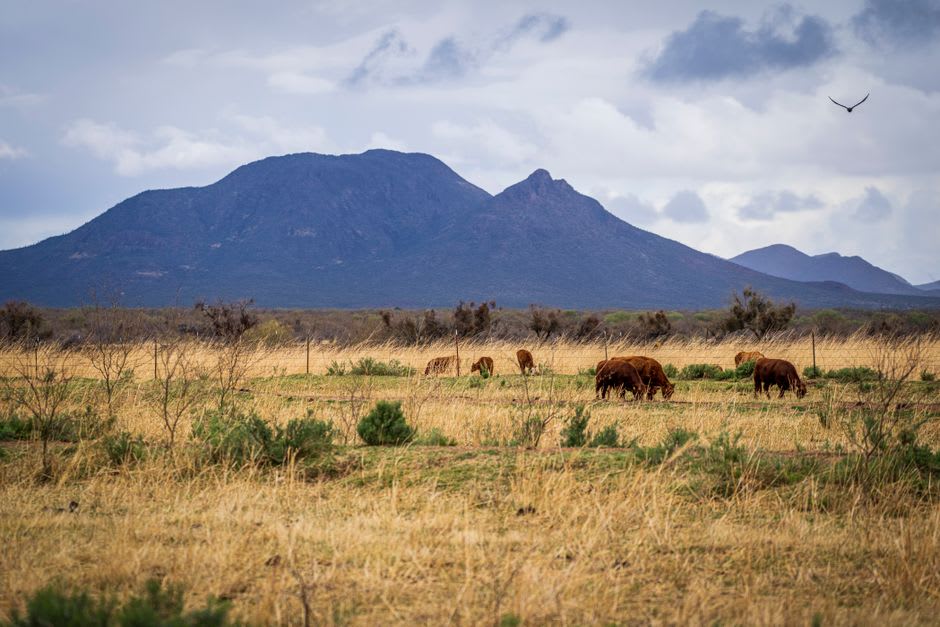
The country south of Acuña is Coahuila scrubland — mesquite, nopal, pale dust, the occasional buzzard doing slow geometry overhead. If you have a vehicle, the drive along the reservoir is worth making. The Amistad holds a strange blue against the brown landscape, enormous and quiet. In spring and early summer the bass fishing brings people from both sides of the border, and the campsites fill with a mix of Texas weekend anglers and Coahuilan families who treat the water as an extension of their living room. I sat on a flat rock near the shoreline for an hour watching the light shift across the reservoir and felt the particular calm that comes from being somewhere that exists entirely on its own terms, indifferent to whether you have noticed it or not.

Getting There
Ómnibus de México and other northern lines connect Acuña to Saltillo (five to six hours), Piedras Negras (under two hours), and Monterrey (around five hours). From Oaxaca, plan a full travel day: fly or bus to Monterrey, then bus north. Buses arrive and depart from several stops along Avenida Guerrero rather than a single central terminal — confirm your departure point when you buy the ticket.