Cuatro Ciénegas
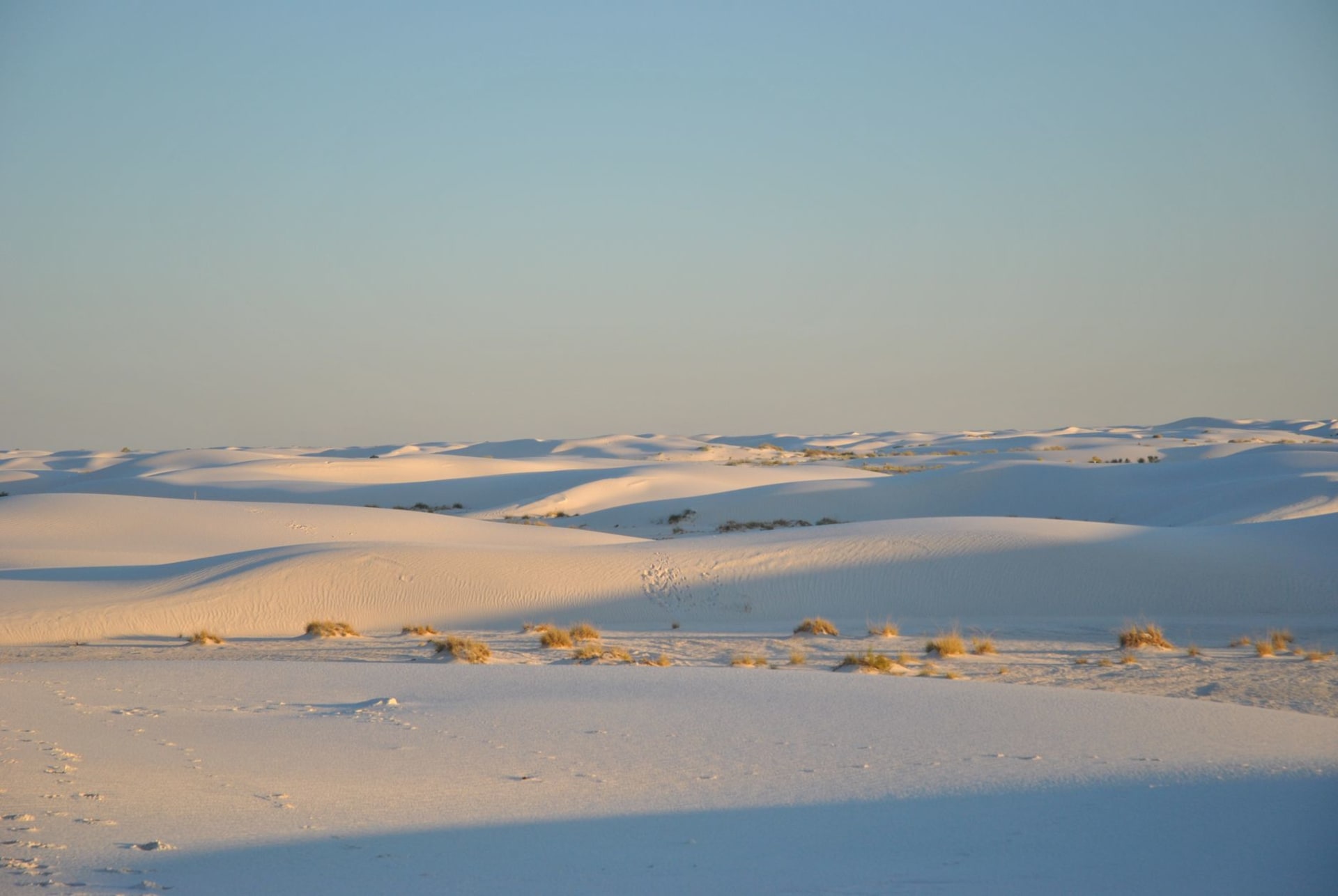
"The pozas of Cuatro Ciénegas contain organisms that evolved in isolation for 10 million years. The stromatolites at the bottom are the same life form that produced Earth's oxygen. They are still alive."
Cuatro Ciénegas is a desert valley in the state of Coahuila, surrounded by the Sierra de San Marcos y Pinos range, that contains the highest concentration of endemic species in North America and a greater biodiversity per square kilometer than the Galápagos Islands. This is not a promotional comparison. It is a fact that the scientific literature on the Cuatro Ciénegas ecosystem uses as a baseline.
The reason: the valley sits over an ancient aquifer system that has been hydrologically isolated from surrounding water sources for 10 million years. The organisms in the pozas (desert pools) fed by this aquifer have evolved in isolation through that entire period, producing species found nowhere else on earth — endemic species of fish (the pupfish, Cyprinodon bifasciatus), turtles, snails, shrimp, aquatic beetles, and microbial communities that represent lineages older than most of life’s complexity.
The stromatolites in the Poza Azul and the Río Mesquites are the visible evidence of the ancient origin of this ecosystem: mound-forming colonies of cyanobacteria, the same organisms that produced Earth’s oxygen atmosphere beginning 3 billion years ago, still living in the mineral-rich water of the Cuatro Ciénegas pools. They look like grey-green lumps of rock. They are among the oldest living things on Earth.
The Pozas
The pools of Cuatro Ciénegas — fed by the aquifer springs that maintain constant temperature (28-30°C) year-round regardless of the desert surface temperature — are turquoise and clear, the color a product of the high mineral content of the water. The most accessible for swimming:
Poza Azul: the largest and most famous, a blue-green pool at the edge of the valley near the town of Cuatro Ciénegas. The water is clear to the bottom, warm, and the swimming allowed (with restrictions on sunscreen use — the chemicals kill the endemic organisms). The pupfish are visible in the shallows.
Río Mesquites: a slow-moving channel connecting several pools, where the stromatolites are most visible in the clear water. Wading is permitted; the stromatolite communities appear as dark formations on the pool floor. Do not step on them.
Las Playitas: a beach-like poza at the end of a sandy road, less visited than Poza Azul, with the gypsum dunes visible directly behind it.
The Gypsum Dunes
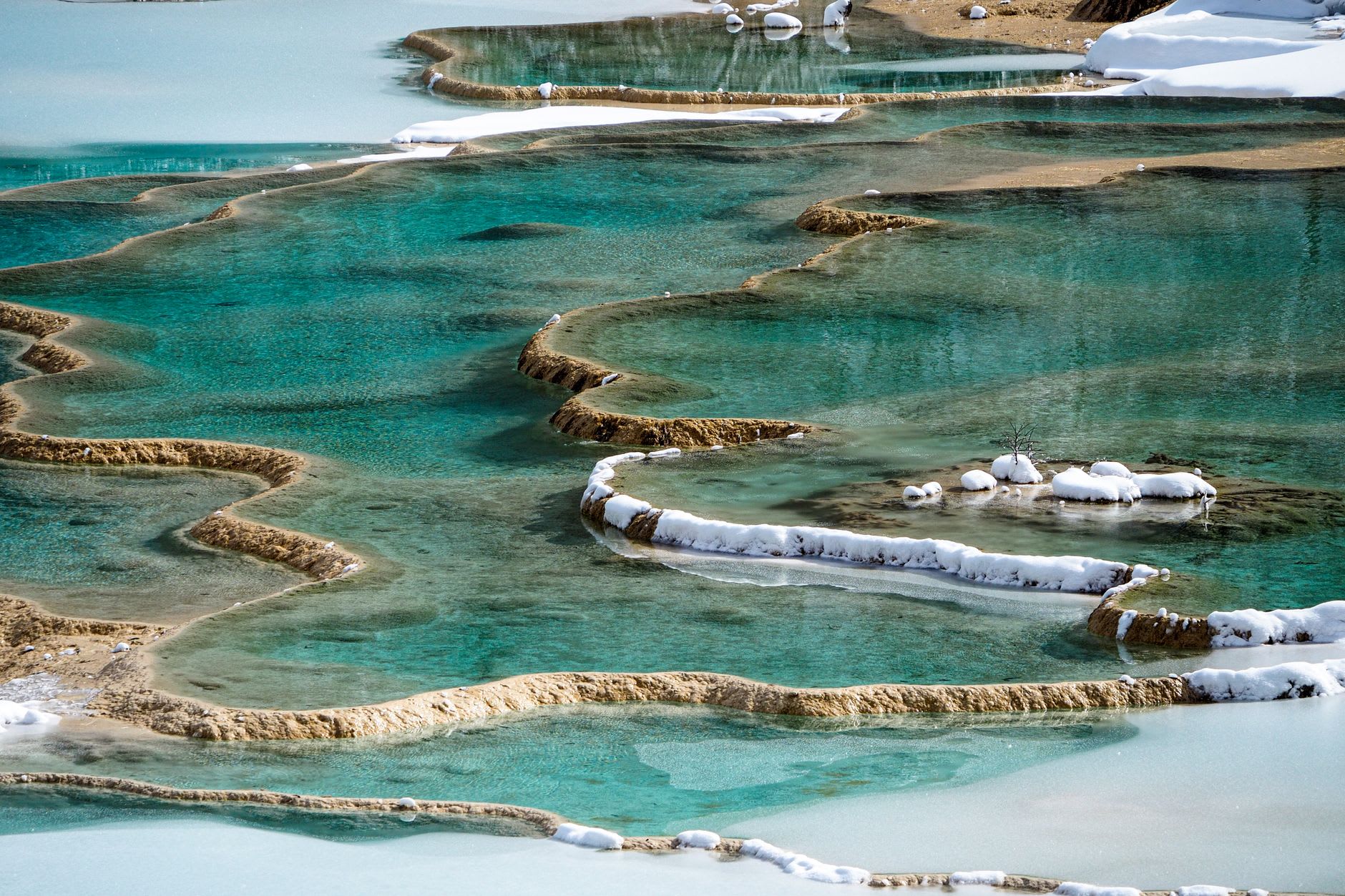
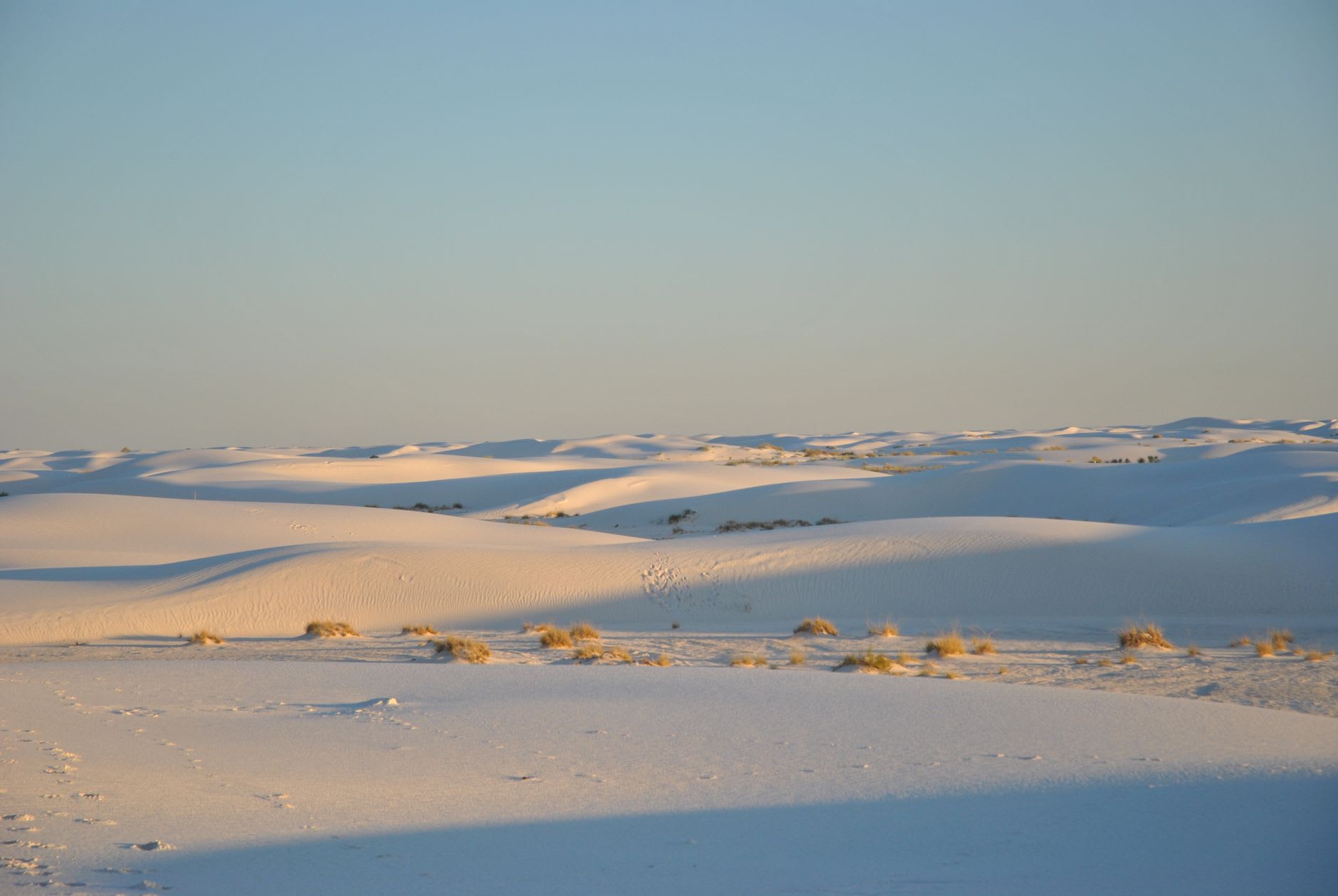
The Dunas de Yeso (Gypsum Dunes) — a field of white gypsum sand dunes in the southern part of the valley — are formed from the evaporation of the gypsum-rich spring water over geological time. The gypsum crystallizes, weathers to sand, and the prevailing winds accumulate it into dunes that are white against the surrounding brown desert and the blue sky.
The dunes are reminiscent of the White Sands of New Mexico (geologically identical process) and are significantly less visited. Walking on the dunes is permitted; the heat at midday is considerable (40°C+ in summer) and the white surface reflects rather than absorbs. Dawn and late afternoon are the appropriate times.
The view from the highest dune over the valley: the turquoise pozas visible as blue spots in the brown desert, the mountain ranges encircling the valley on all sides, and the specific silence of a desert place with no road noise within earshot.
Conservation Status
The Cuatro Ciénegas ecosystem is under genuine threat from agricultural water extraction — the aquifer that feeds the pozas is also used for irrigation in the surrounding valleys, and the water level in the pools has dropped measurably over the past 30 years. Several pozas have dried completely since the 1990s. The Área de Protección de Flora y Fauna Cuatro Ciénegas provides some legal protection; the enforcement is inconsistent.
Visiting Cuatro Ciénegas directly supports the local economy and indirectly supports the case for conservation. The park fees go to local guides and infrastructure. Use them.
Getting there: Bus from Saltillo (2.5h) or Torreón (2h) to Cuatro Ciénegas town. Car rental in either city recommended — the pools are spread across the valley and require driving between sites. The town has accommodation and local guide services.
When to go: October through April for tolerable temperatures. May through September reaches 45°C; the pools remain swimable but the midday exposure is hazardous. Arrive early morning at all times of year.