Madera
"I had driven past signs for Madera for years and only stopped once — I have been back three times since."
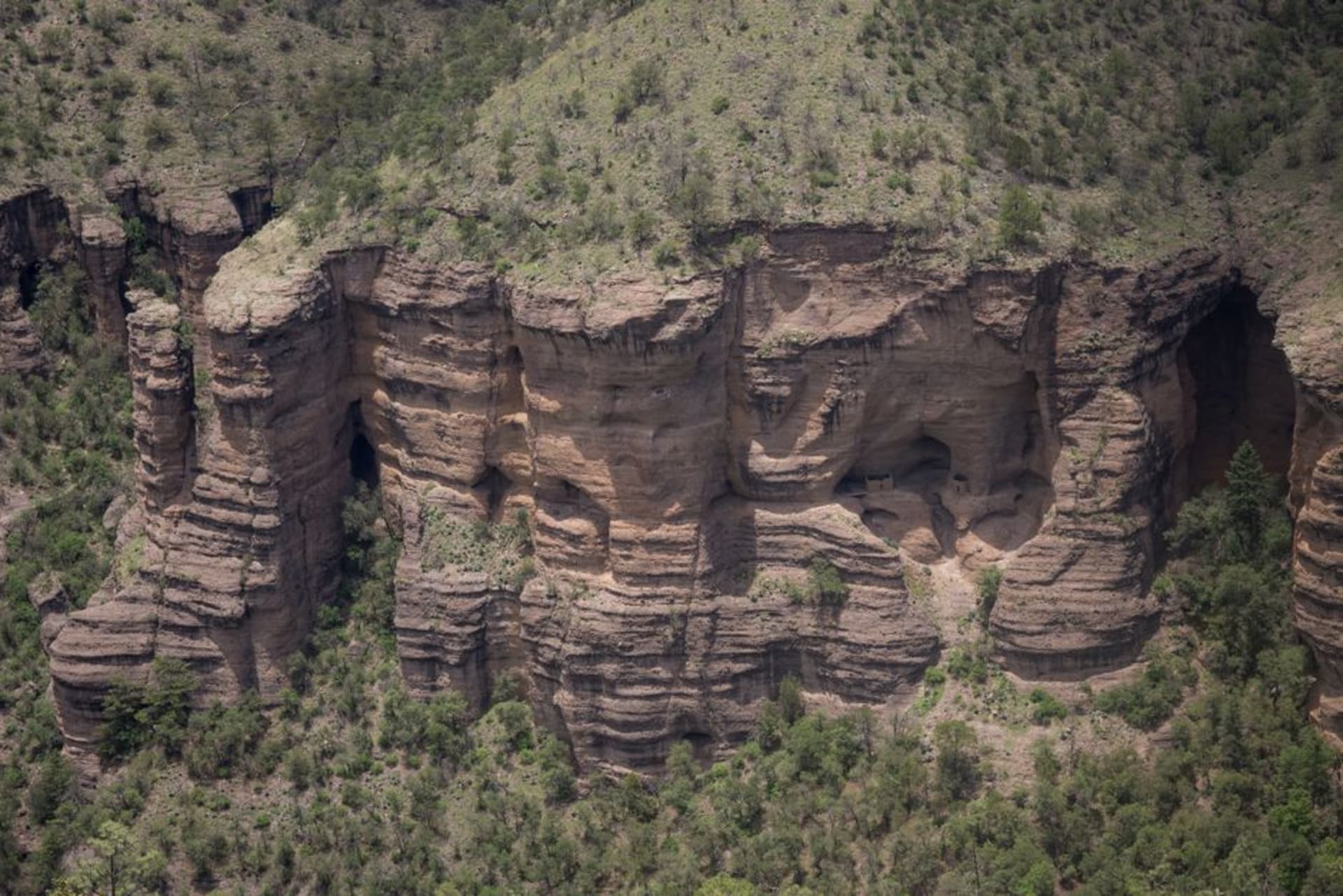
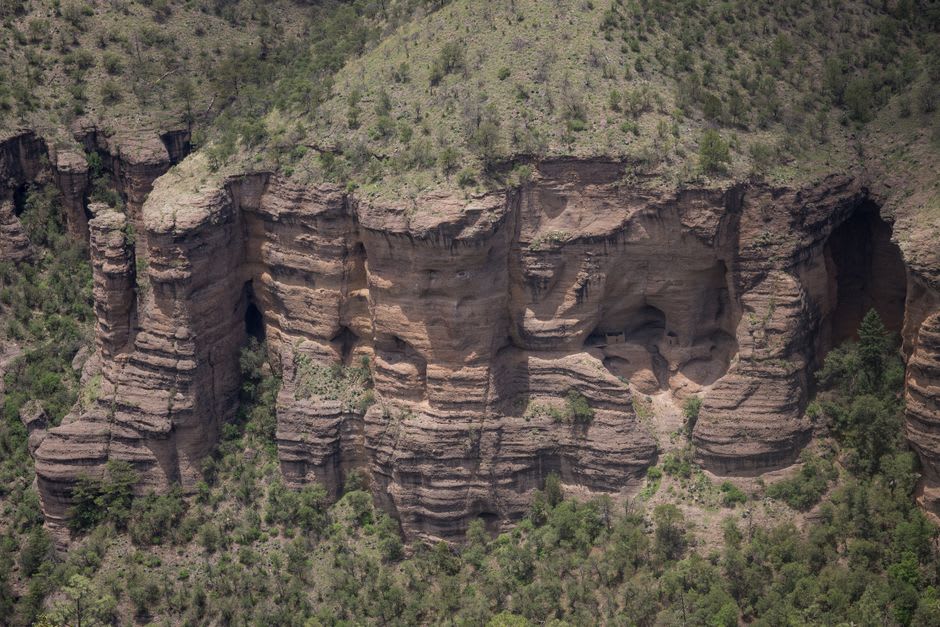
I had planned to stop in Madera for fuel and a torta. That was the full extent of my ambition — a logical pause between two places I was actually going. Then I missed the turnoff I wanted, parked near the plaza by accident, and started walking. By three in the afternoon I had driven twenty kilometers of washboard dirt to stand at the base of a canyon wall with an entire pre-Hispanic town built into it, eye-level with rooms that had been occupied six hundred years ago. I spent two nights. I have been back three times since.
Cities in the Rock
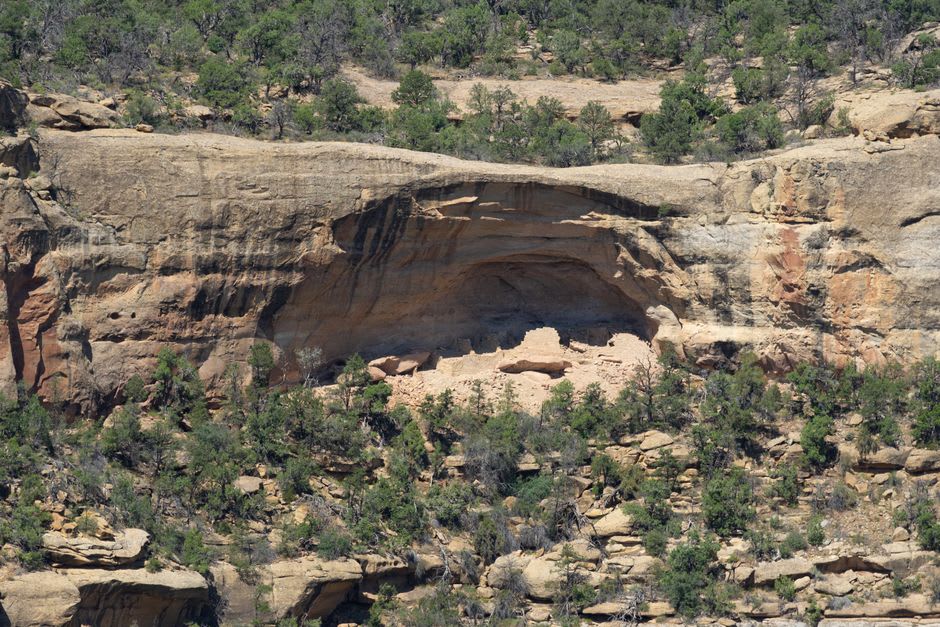
The cliff dwellings near Madera are not well-known outside of archaeology circles, and I mean that as a serious observation rather than something to hoard. Cueva de los Portales sits about eighteen kilometers from town — a series of chambers and kivas built under a natural overhang that once housed perhaps two hundred people. Cueva de la Guacamaya, reached by a rougher track, preserves painted walls and intact roof beams that have no business surviving this long. Neither site is over-interpreted or roped off. You walk in, look up, and feel the specific vertigo of standing inside someone else’s domestic life across a millennium. The Oasisamerica culture that built these towns shared traditions with Paquimé — the famous ruin two hours north — but Madera’s sites draw a fraction of that traffic. I arrived at Los Portales on a Tuesday in October with a local guide named Rodrigo who charged four hundred pesos and knew exactly where the petroglyphs were without consulting anything.
October and the Smell of Apples
Madera and the surrounding municipalities produce a significant share of Chihuahua’s apple crop, which means almost nothing until you arrive in late September or October and find the roadside stands stacked with varieties I had not encountered before: rayada, gala criolla, a small yellow type called manzana amarilla that locals eat with chili salt before noon. The town smells different in October — I am not exaggerating. The market near the presidencia fills with cider and cajeta de manzana, and the fonda on Calle Independencia serves lonches that arrive with a fried apple slice alongside the frijoles, a combination I found bewildering and then ordered every morning for four days. Outside of harvest season the town is quieter and cooler — the sierra here sits above two thousand meters — but the canyons are there year-round, and the light on pine forest in January is its own argument for making the drive.

Where to Spend the Time
The plaza functions correctly as a plaza: a heladería on the corner makes nieve de manzana in season, and there is a church with a modest facade that nobody is pretending is significant. Hotel Parador de la Sierra on the main road has rooms that are clean and cold in the mornings; I have slept there twice and have no complaints. For the cliff dwellings, a guide is worth the cost — not because you cannot find the sites alone, but because Rodrigo spotted a snake on the path before I stepped on it and knew every plant I pointed at by its Rarámuri name. The regional roads to the ruins require a truck in wet conditions. I drove a standard rental sedan in dry October and survived, though only barely.
Getting There
Madera is approximately four hours northwest of Chihuahua city on Highway 16 and Federal 10 — a drive through open Chihuahuan desert that transitions into pine sierra around Cuauhtémoc. First-class buses run from Chihuahua’s central terminal. There is no rail service. Having your own vehicle matters considerably once you arrive; the cliff sites require unpaved roads and a standard car will struggle in wet conditions. The nearest airport is Chihuahua.