Guachochi
"The Barranca de Sinforosa does not appear on most tour itineraries, which is precisely why it still looks the way it does."
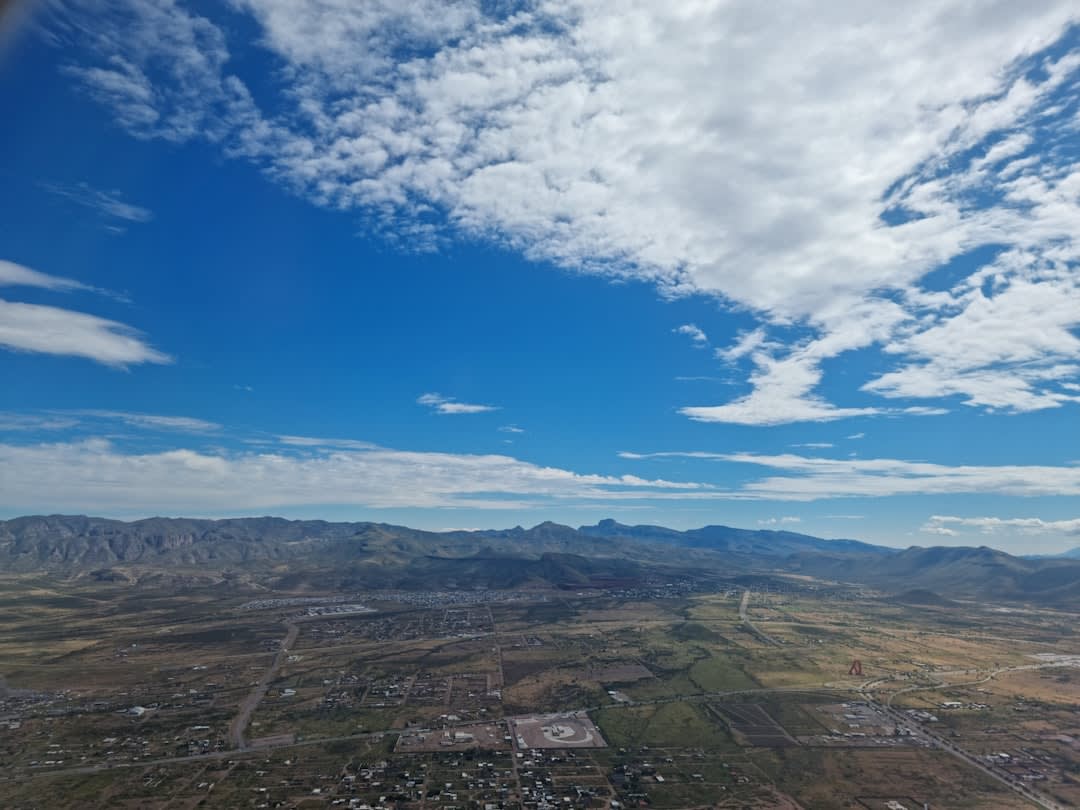
I took the bus from Chihuahua city on a Thursday, arriving in Guachochi in the late afternoon when the light was already tilting gold through the pines. Nobody at the bus station seemed particularly interested in my arrival. That was the first indication I had gone somewhere real. Creel, two hours north, has hotels with English menus and guided canyon tours departing at nine sharp. Guachochi has a municipal building painted ochre, a plaza that smells of wood smoke in the morning, and Rarámuri women sitting cross-legged on the pavement with bowls of pinole and small carved figures arranged on cloth beside them.
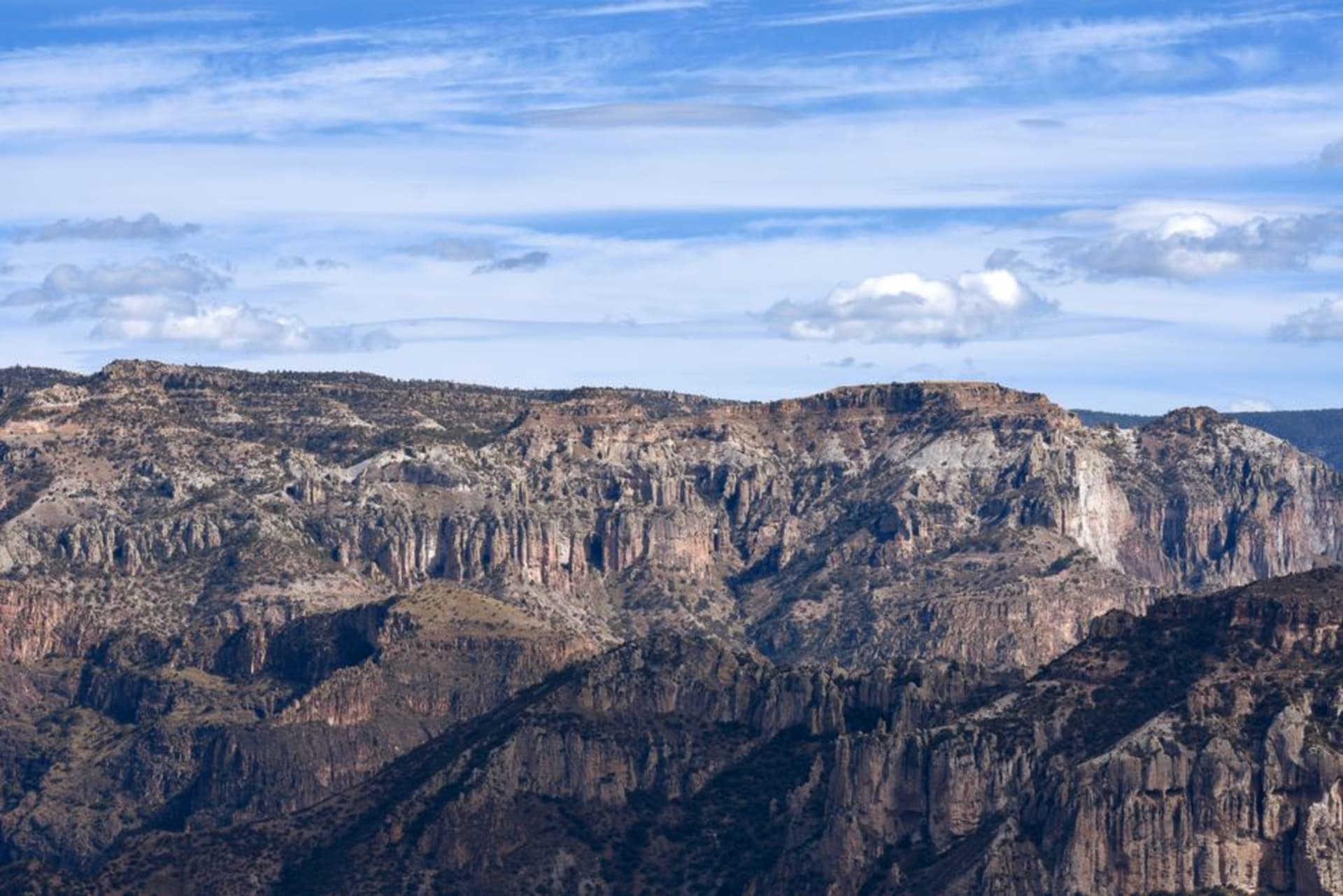
The Barranca de Sinforosa
The canyon is not visible from town. You have to want it — hire a ride out past the ejido lands and scattered ranches until the ground simply stops and the Sierra Madre drops away beneath you in a vertical gash that runs more than 1,800 meters to the river below. The Barranca de Sinforosa is deeper than the Grand Canyon in places and carries the Río Verde along its floor, which runs cold and green through tropical vegetation that feels impossible given the pine forests on the rim. I stood at the mirador for a long time without speaking, which is unusual for me. The canyon doesn’t demand silence exactly — it makes conversation seem beside the point. What the Barranca de Sinforosa doesn’t have is a visitor center, a fee booth, or a shuttle. It has a dirt road and a view that has not changed.
The Saturday Tianguis
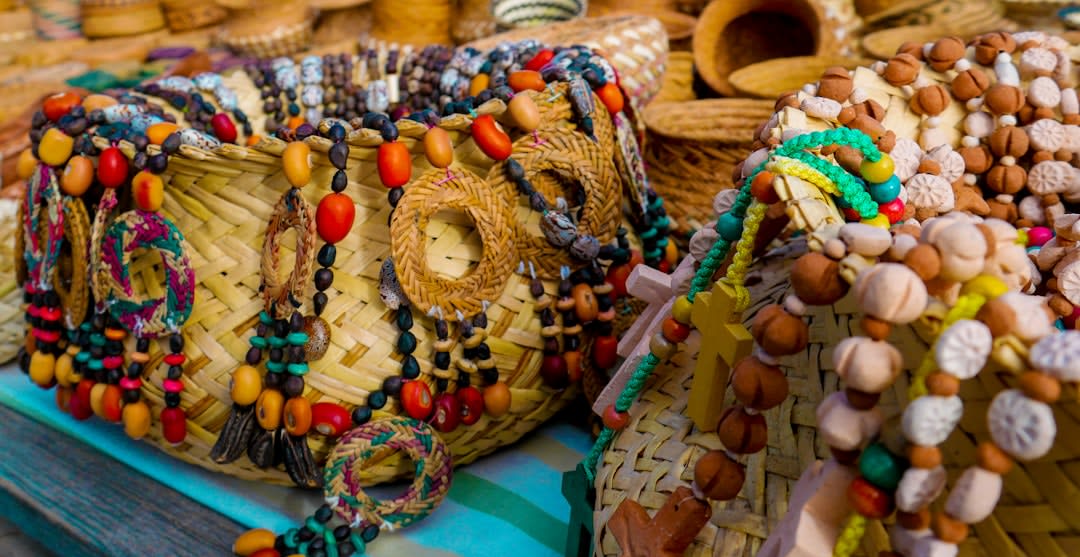
The Saturday market in Guachochi is not organized for anyone in particular, which is what makes it worth attending. Rarámuri women come down from surrounding communities — some walking hours, some catching rides in pickup beds — and set up on the concrete plaza and the surrounding streets by seven in the morning. The pinole is sold in small plastic bags and tastes of toasted corn with something faintly sweet, sometimes mixed with chia or ground amaranth. The carved wooden animals — deer, small horses, birds — are not sold as curios but as objects of a craft that has been running for generations. I bought a small deer and a bag of pinole, then ate breakfast at a comedor on the corner: caldo de res, warm handmade tortillas, a glass of agua de Jamaica. The woman running it called me joven without any particular irony.
Running at Altitude
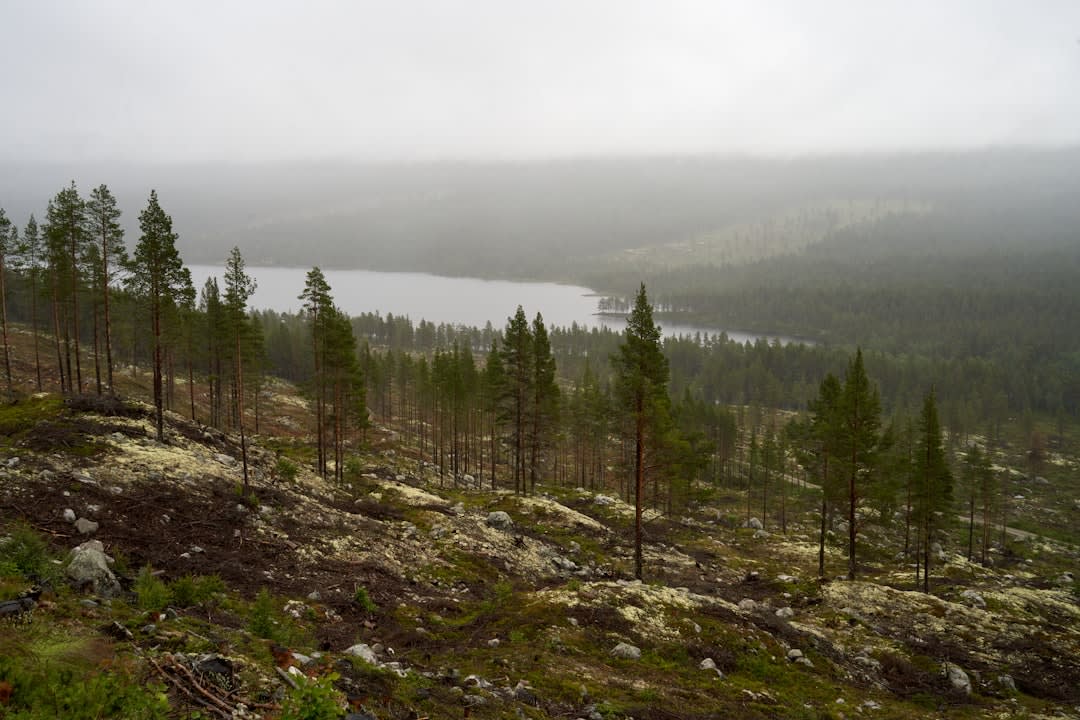
The Rarámuri are the most celebrated long-distance runners in the world, and Guachochi sits at the center of their territory at roughly 2,200 meters. On weekend mornings, runners appear on the roadsides — men and women moving in that specific unhurried pace that looks almost casual until you realize they have been at it for an hour without visible effort. Several ultramarathon events pass through the sierra here, including races that descend into the Barranca de Sinforosa and climb back out. The trail network around town is accessible without a guide if you are comfortable with altitude and unmarked paths. I went out early one morning and followed a dirt road south until the pines thickened and town disappeared behind a ridge. A Rarámuri man passed me going the other direction — barefoot, moving faster than I was on trail shoes, apparently headed nowhere urgent.
Getting There
Buses run from Chihuahua city to Guachochi several times daily; the trip takes five to six hours through increasingly dramatic mountain terrain. The road is paved for most of the route but narrows considerably in the final stretch. The Chepe train does not serve this route — that passes through Creel. Accommodation is modest: a small handful of hotels near the plaza. Book ahead on weekends during the cooler sierra months, October through February.