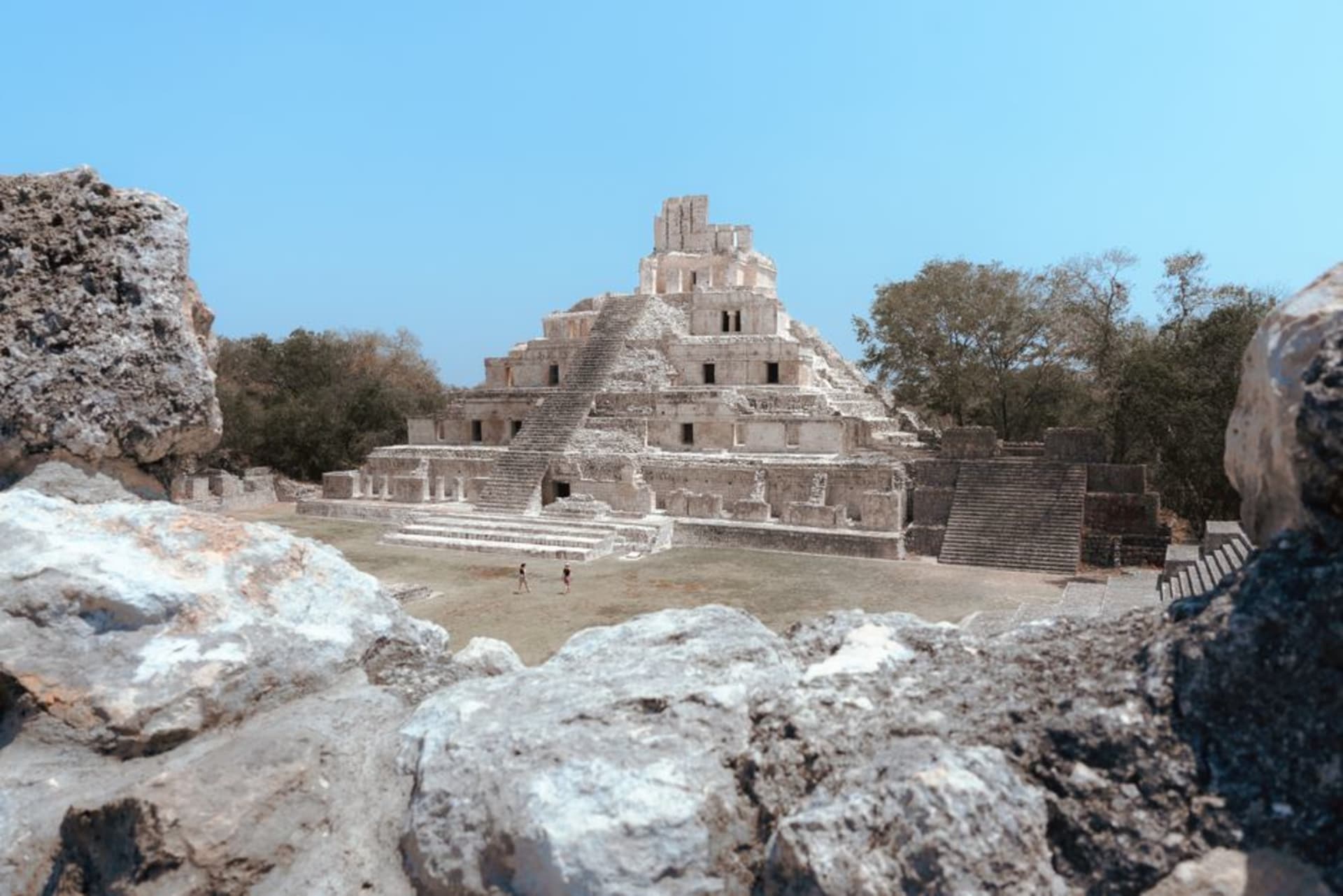
Xpujil
"The three false towers at Xpujil are too steep to climb and too strange to ignore — Maya architects building for gods, not tourists."
I pulled into Xpujil at noon on a Tuesday and the main street had exactly one taco stand doing any business. That felt about right. The town exists because the highway exists — Carretera 186 cuts through the Yucatán Peninsula here, and Xpujil is the comma in that sentence, a place people pass through or, if they know what the jungle is hiding on either side, stop at deliberately. I stopped deliberately. The heat was absolute, the shade thin, and somewhere behind the trees a few kilometers west, three towers nobody climbs were waiting for the afternoon light.
The Rio Bec Sites
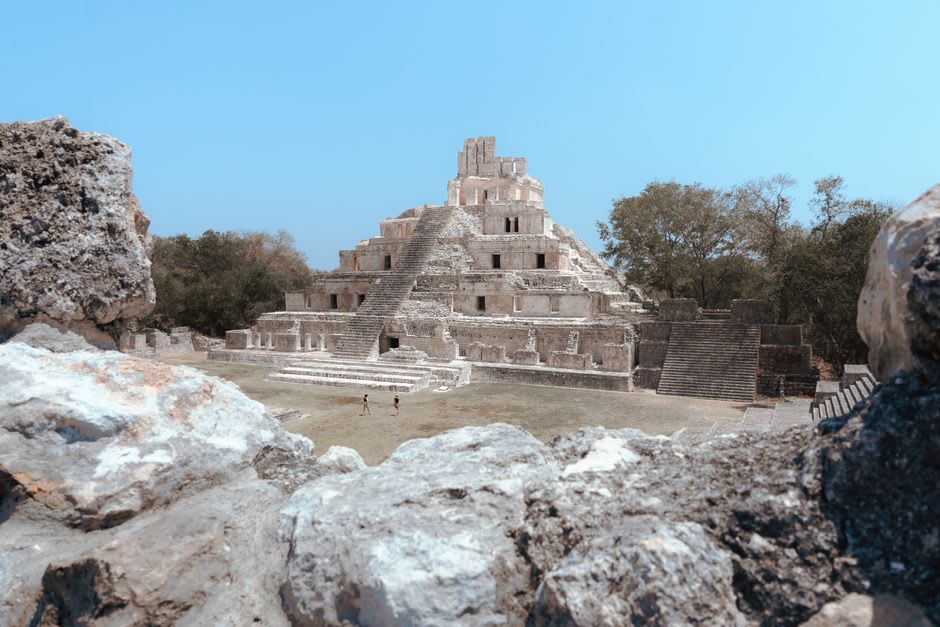
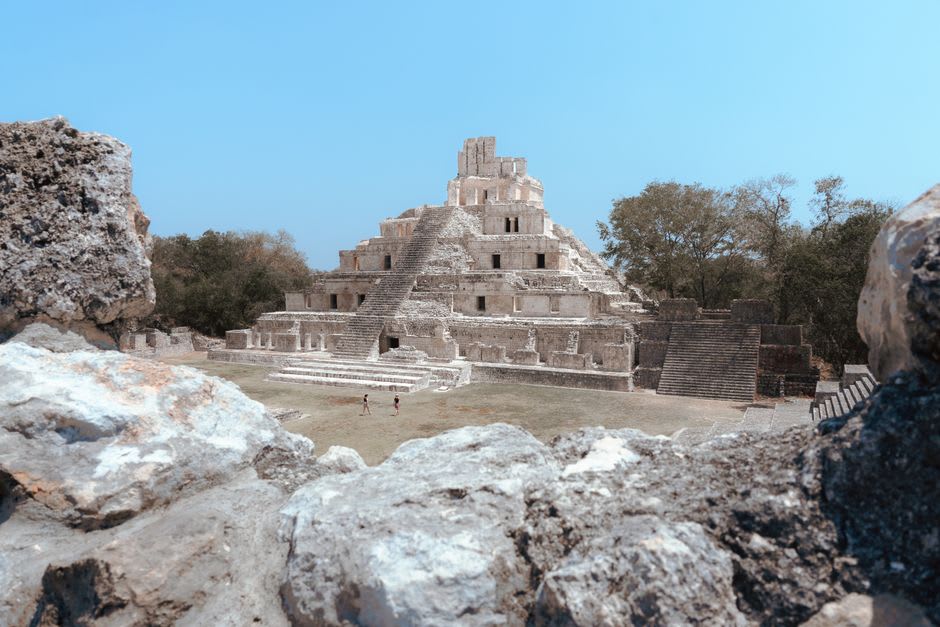
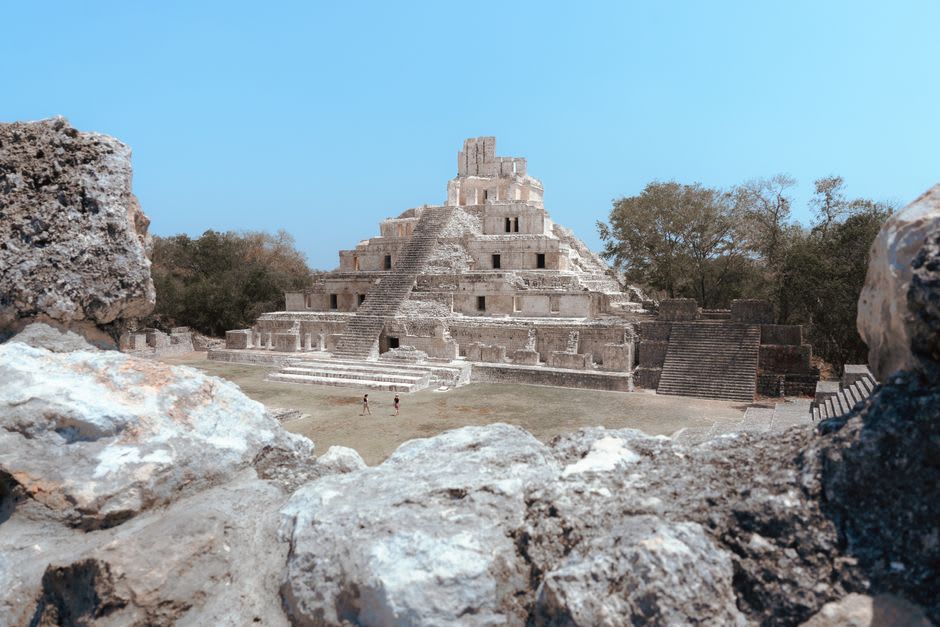
The ruins scattered around Xpujil operate under a style archaeologists call Rio Bec — towers built to look climbable but intentionally not, with near-vertical false staircases and temple facades that are pure theater. The main site at Xpujil itself has three of them, tilted slightly, half-consumed by roots on one side. I walked the path at Becán, which is encircled by a dry moat, in about forty minutes and passed two other visitors. At Chicanná the zoomorphic doorway — a monster-mouth entrance with fangs intact — stopped me longer than anything else I saw that week. These sites don’t have the dramatic scale of Palenque or Uxmal. What they have is quiet, and the quality of that quiet is different when the jungle around it is actual jungle: sounds, movement, the occasional crashing of something unseen through the undergrowth.
Eating and Staying in Town
The restaurant options are modest and the town wears that without apology. I ate most meals at a comedor near the ADO bus station where the señora served poc chuc and black bean soup that arrived without being ordered, which is the best kind of arrival. There are a handful of small hotels on the main drag and a couple of more comfortable options just outside town aimed at birders and archaeologists — the Chicanna Ecovillage is the most established. The surrounding reserve pulls serious wildlife watchers; the area sits inside the Calakmul Biosphere Reserve, and the birding along the access roads in early morning is, by all accounts from people who track these things, genuinely exceptional.
Timing the Sites
The ruins open at eight and the serious heat arrives by ten. I was at Xpujil site by eight-fifteen and had the towers to myself for the better part of an hour. By midday the light is flat and brutal and lunch becomes non-negotiable. The sites are spread over roughly fifty kilometers of highway — Becán is a few kilometers west, Chicanná a little further, and Calakmul requires a longer commitment on a jungle road — so a car or hired taxi from town is necessary. The entrance fee to each site is separate and the INAH staff at Becán, when I visited, seemed mildly surprised to see anyone at all.
Getting There
ADO buses run Carretera 186 between Chetumal (roughly two hours east) and Campeche city (five hours northwest), with a stop in Xpujil. Coming from Palenque, most people change in Escárcega or take a direct bus that operates a few times daily. There is no direct service from Cancún without a connection.