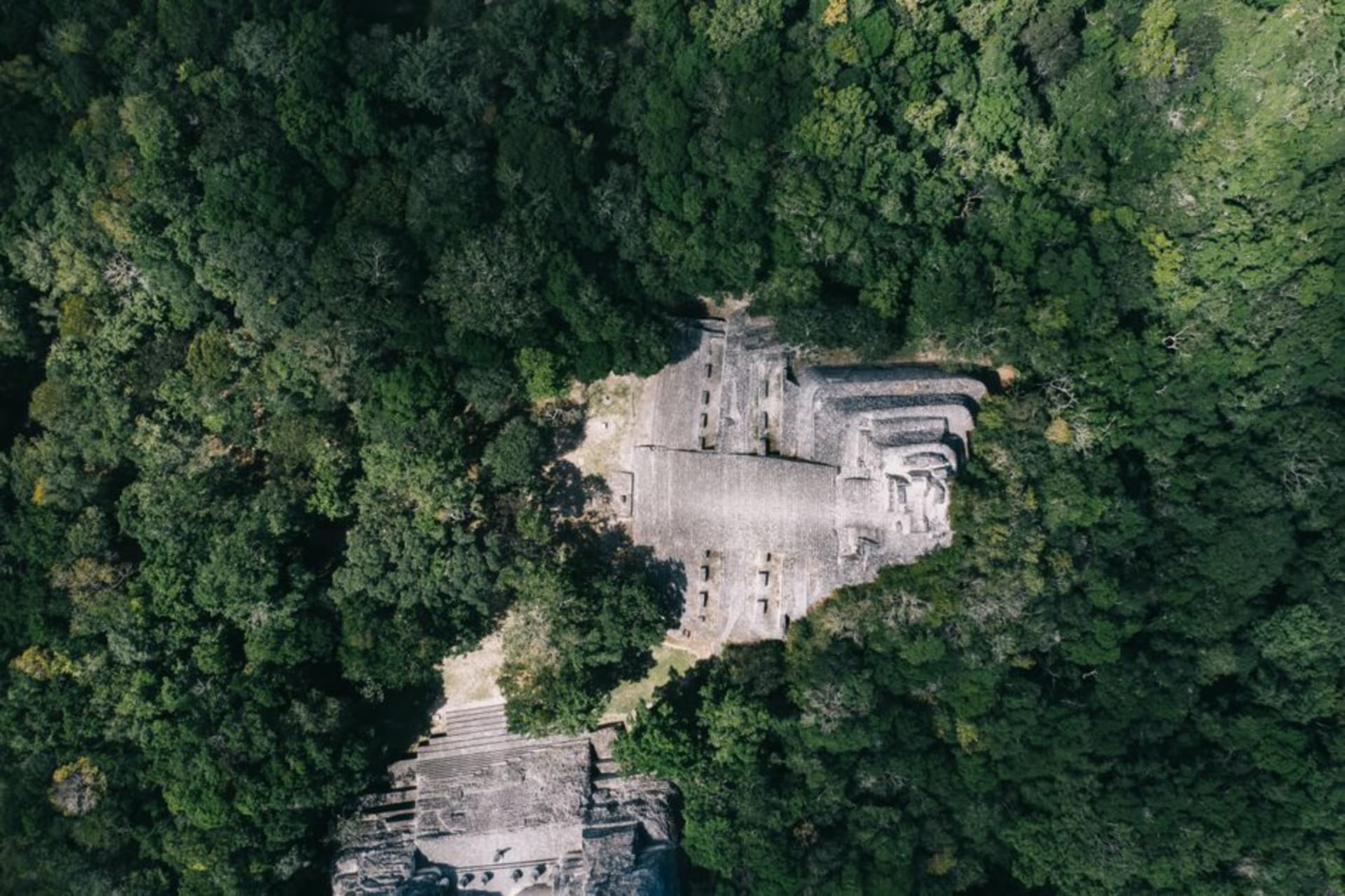
Calakmul
"At six in the morning the howler monkeys start. The sound carries two kilometers. It sounds nothing like a monkey."
Calakmul is the Maya city that history almost forgot. While Chichén Itzá and Palenque were receiving archaeologists and tourists through the 20th century, Calakmul sat in the deepest jungle of the Yucatán peninsula, 35 kilometers from the Guatemalan border, essentially inaccessible. It wasn’t mapped from the air until 1931. It wasn’t excavated seriously until the 1980s. What the excavations revealed rewrote the political history of the Classic Maya: Calakmul, not Chichén Itzá, was one of the two dominant superpowers of the Maya world, the long rival of Tikal in Guatemala, controlling a network of vassal states across what is now southern Mexico, Belize, and Guatemala.
The site still sits in the middle of the largest tropical forest reserve in Mexico. Getting there requires either a day trip from Campeche (3.5 hours each way) or staying at one of the handful of ecolodges inside the biosphere reserve. Both are worth whatever planning they require.
The Ruins
The site contains over 6,000 structures — more than any other Maya city — spread across 70 square kilometers of jungle. The accessible section, a small fraction of the total, contains the two largest pyramids in the Maya world by volume.
Structure II — the taller of the two main pyramids, rising 45 meters — was the political and ceremonial center of the city for most of its history. The climb, using the restored central staircase, takes about ten minutes and emerges above the jungle canopy into open sky. On clear mornings (October through February are best) the view extends over an unbroken carpet of jungle canopy that reaches the horizon in every direction, with no human structure visible except the top of the other Calakmul pyramid emerging from the trees 150 meters away.
Structure I — the northern pyramid, slightly shorter but with a broader base — has been less restored and has a wilder character. The carved stone masks at its corners, representing the sun deity, are among the finest at the site.
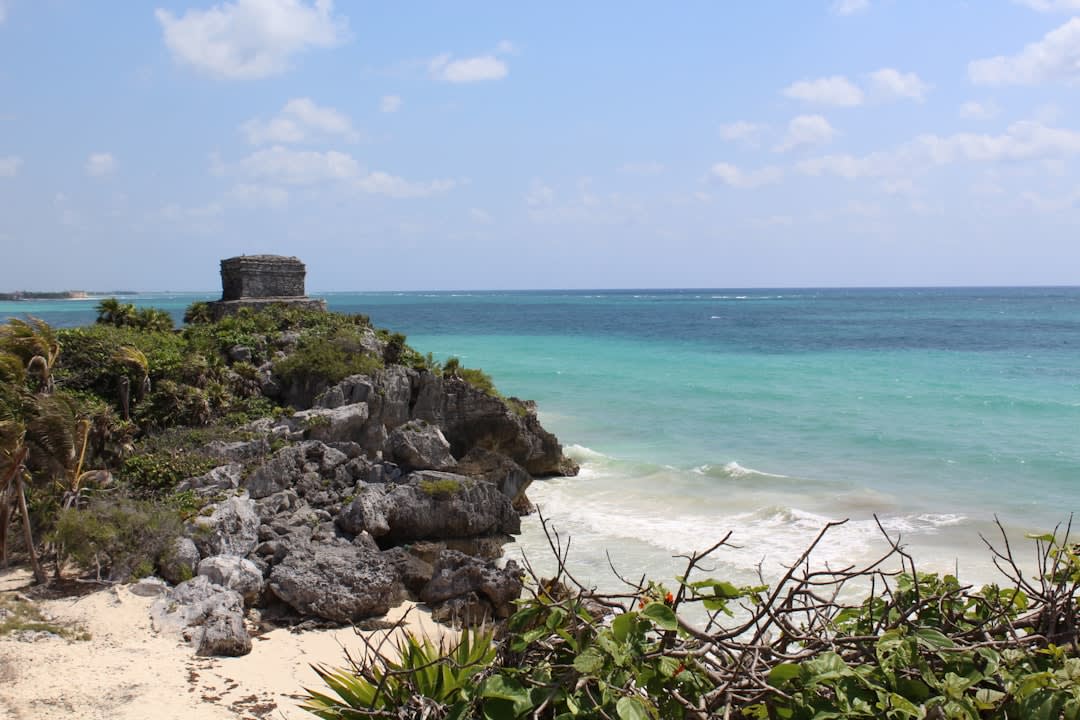
The stelae at Calakmul — stone monuments recording historical events in carved hieroglyphs — are the most numerous of any Maya site. Over 120 stelae have been found at Calakmul, more than anywhere else in the Maya world. Most are eroded by centuries of tropical rain and are more evocative than legible; the best preserved are in the site museum.
The Wildlife
The Calakmul Biosphere Reserve — 723,000 hectares of tropical forest — is home to populations of jaguar, puma, tapir, ocelot, white-lipped peccary, and all five species of Mexican wild cats. The morning hours at the ruins (the site opens at 7am) are reliably productive for wildlife: spider monkeys and howler monkeys in the trees overhead, oscillated turkeys at the base of the pyramids, toucans and parrots in the canopy.
Jaguars cross the road into the ruins area at dawn with enough regularity that the site guards mention it as a routine fact. I saw fresh tracks on the access road at 6am on both of my mornings at Calakmul. I didn’t see the jaguar, but the tracks were large and the night had been recent.
Howler monkeys (Alouatta pigra — the Yucatán black howler, the largest primate in Mexico) produce a vocalization that has to be experienced to be properly described. It sounds nothing like any monkey I had previously heard; it is a deep, resonant roar that carries two kilometers through the jungle and causes first-time visitors to look urgently for the large carnivore making the sound. The howl is territorial and happens at dawn and dusk with the reliability of an alarm clock.
Logistics
Calakmul’s remoteness is both its greatest virtue and its primary logistical challenge. The nearest town of any size is Xpujil, 60 kilometers away on the Campeche-Chetumal highway.
From Campeche: 3.5 hours to the site entrance, then 60 kilometers of unpaved road through the reserve to the ruins (passable in any car, often shared taxi from the entrance). Full day minimum.
Staying inside the reserve: Several ecolodges operate within the biosphere reserve, most notably Puerta Calakmul, which allows dawn access to the ruins before day visitors arrive. Two nights is the minimum to see the ruins properly and have time for the wildlife walks.
From Bacalar or Chetumal: 3 hours to Xpujil; the ruins are a further 90 minutes by rental car or taxi.
When to go: October through March for cooler temperatures and better wildlife activity. Avoid April-June (extreme heat) and July-September (rain, access road can flood). Dawn entry is the correct approach; the ruins are close to unvisited from 7-9am on most days.