Bolonchén de Rejón
"You buy a tamal on the street, then descend into an underground world that was a lifeline for a civilization — the contrast is very Campeche."
I stopped in Bolonchén de Rejón because the road from Campeche City toward the Puuc region passes directly through it, and because a woman near the market was selling tamales de chaya wrapped in banana leaf that smelled better than anything I had planned to eat that day. The town is small, Yucatecan in feel, its central plaza shaded by trees that have been here longer than the church beside them. Nobody announces anything. And then you learn that directly beneath this quiet afternoon is one of the most significant water sources in ancient Mesoamerica.
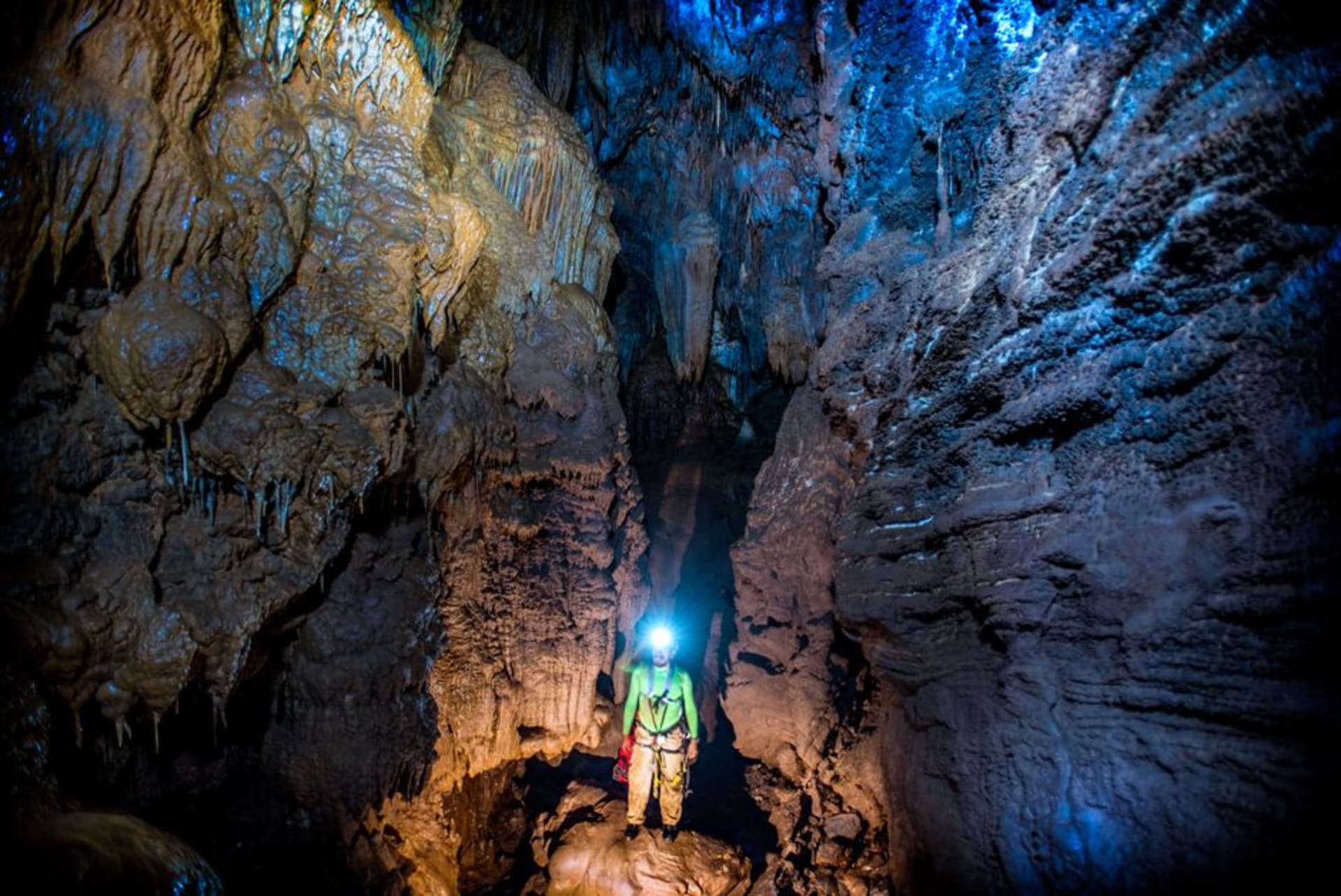
Descending Into Xtacumbilxunaan
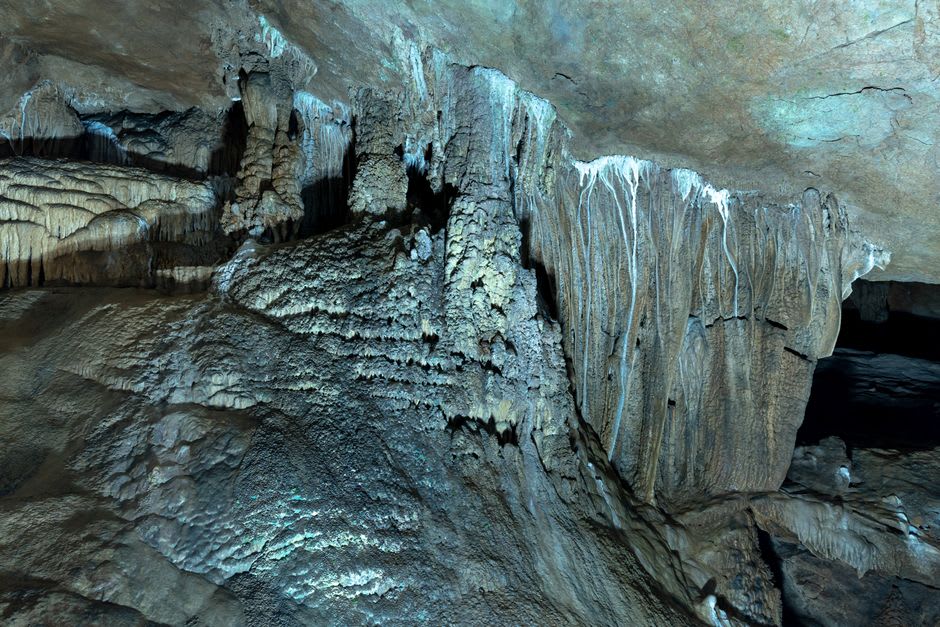
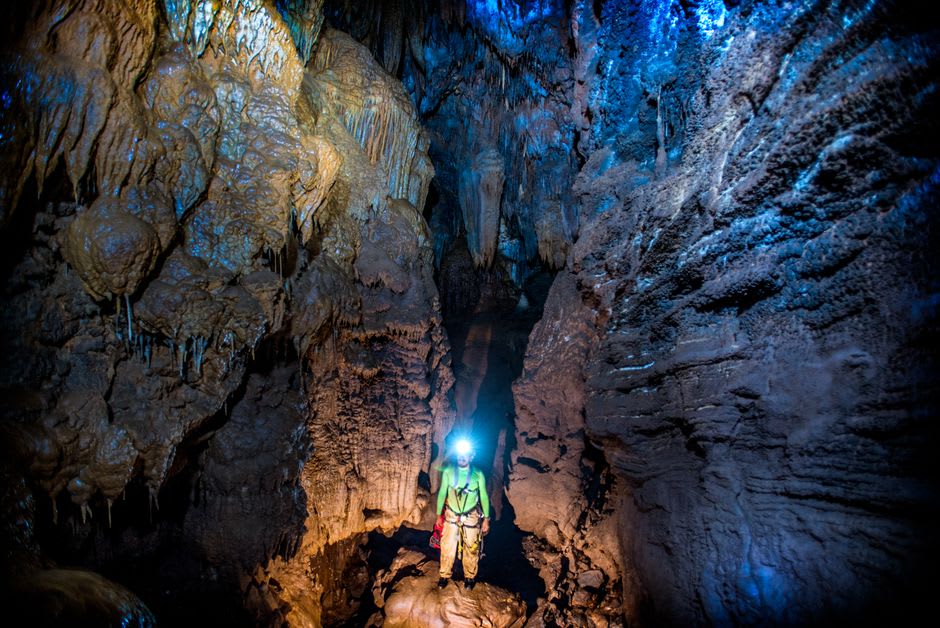
The name means “hidden lady” in Yucatec Maya, and it earns that. From the road the cave entrance looks modest — a stone arch cut into a hillside, vegetation pressing in on both sides. But the cave drops, and keeps dropping. During the worst droughts of the Classic period, people came here and descended more than 150 meters underground on wooden ladders, carrying clay vessels, to reach the water that kept their communities alive. When the French explorer Jean-Frédéric Waldeck documented the site in 1843, he counted nine distinct chambers at different depths, each one accessed by those ladders in the dark. The infrastructure now is concrete stairs, not ladders, but the scale still catches you off guard. You step down into cooler air, the light changes, and the world above — the tamal, the plaza, the gas station at the edge of town — becomes remote very quickly. What you are walking through was not a wonder of its time. It was an emergency measure.
The Town Itself
Bolonchén means “nine wells” in Yucatec Maya, the wells being those cave chambers, and the town holds to that quiet duality: something significant hiding inside something ordinary. The mercado municipal on the main street has stalls selling chaya juice, panuchos, and a cochinita pibil that this part of Campeche prepares with more restraint than Yucatán does — less sweet, with a sharper citrus edge. On the plaza there is a pale yellow church and a bench in front of it where, both times I have passed through, at least one person was asleep in the shade. There is no tourism infrastructure to speak of. No menus in English, no craft shops arranged for outside consumption. In my experience, that is a reliable sign that the food is priced honestly and the cooks are cooking for themselves.
How to Use a Day Here
I would arrive from the north — from Mérida or after Uxmal — early enough to eat in the mercado before the heat settles in, and be at the cave entrance when it opens. The site is managed by INAH and charges a modest entrance fee. A visit runs between one and two hours depending on how long you spend in the lower chambers. Bolonchén makes a reasonable staging point if you are continuing south toward Hopelchén or southeast toward Xpujil and the deeper Campeche biosphere reserves. There is simple accommodation in town, though most people use Campeche City as a base and come on a day trip. Either works. What does not work is arriving at three in the afternoon expecting to be done by four.
Getting There
Bolonchén de Rejón sits on Federal Highway 261, roughly 110 kilometers south of Mérida and 130 kilometers southeast of Campeche City. ADO buses serve both routes; the ride from Mérida takes around two hours. The cave entrance is a short taxi ride from the main plaza. A rental car gives you more flexibility, especially if you are pairing Bolonchén with Uxmal or the Puuc archaeological sites to the north.