Tepezalá
"The silver ran out generations ago. What stayed behind is a colonial plaza where nothing is trying to impress you, and that turns out to be surprisingly hard to find in central Mexico."
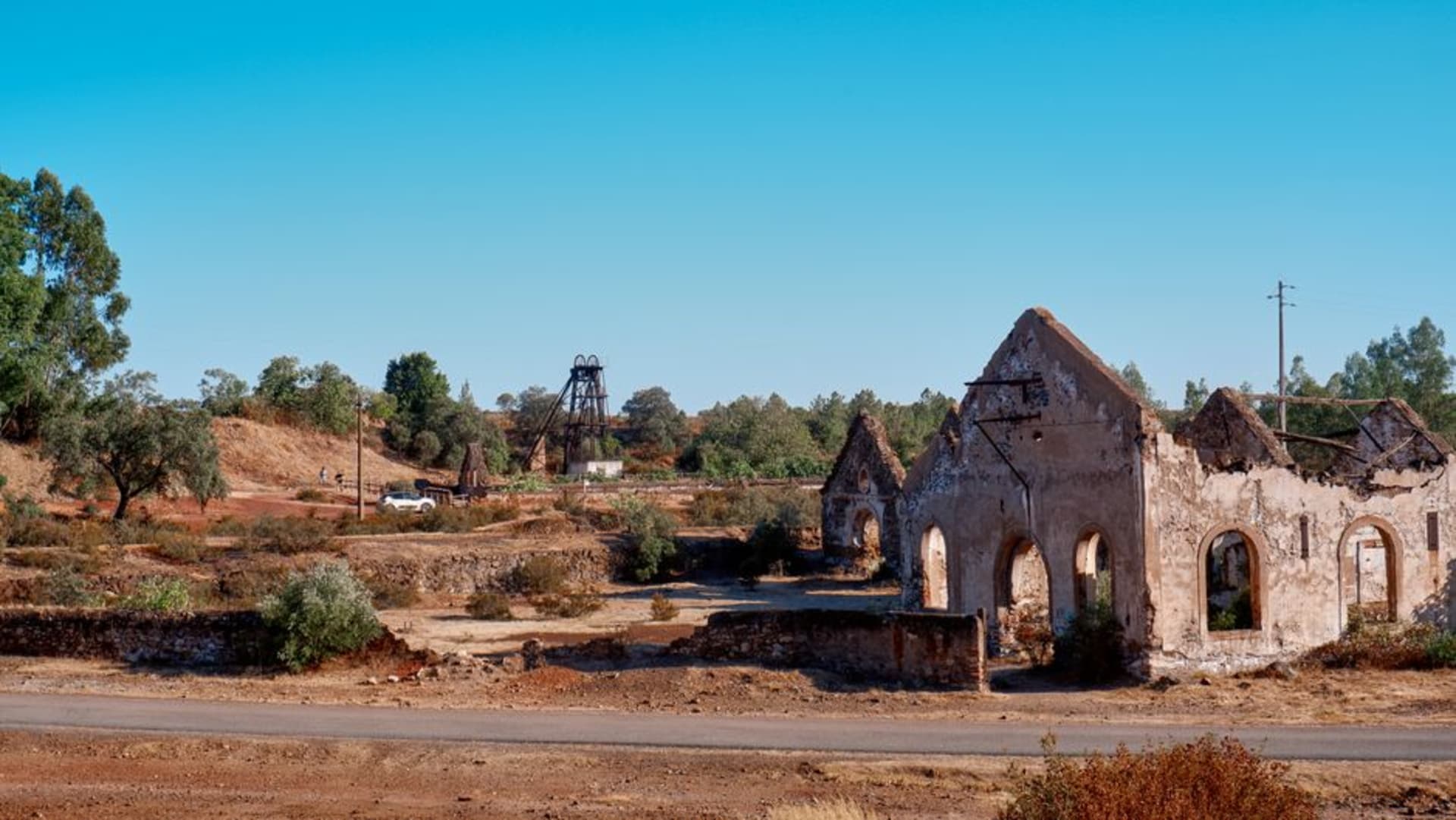
I pulled off the highway northeast of Aguascalientes city on a Thursday morning when the light was still flat and the hills the color of unpolished copper. Tepezalá shows itself slowly — first a water tower, then a cluster of rooftops below the ridge, then the tower of San Mateo appearing above the rest with the unhurried authority of something that has been there four hundred years. Two men were sweeping the atrium when I arrived. They didn’t look up. I had the distinct feeling that Tepezalá receives visitors the way a patient person receives unwanted advice: politely, without adjustment.
San Mateo and the Plaza Mayor
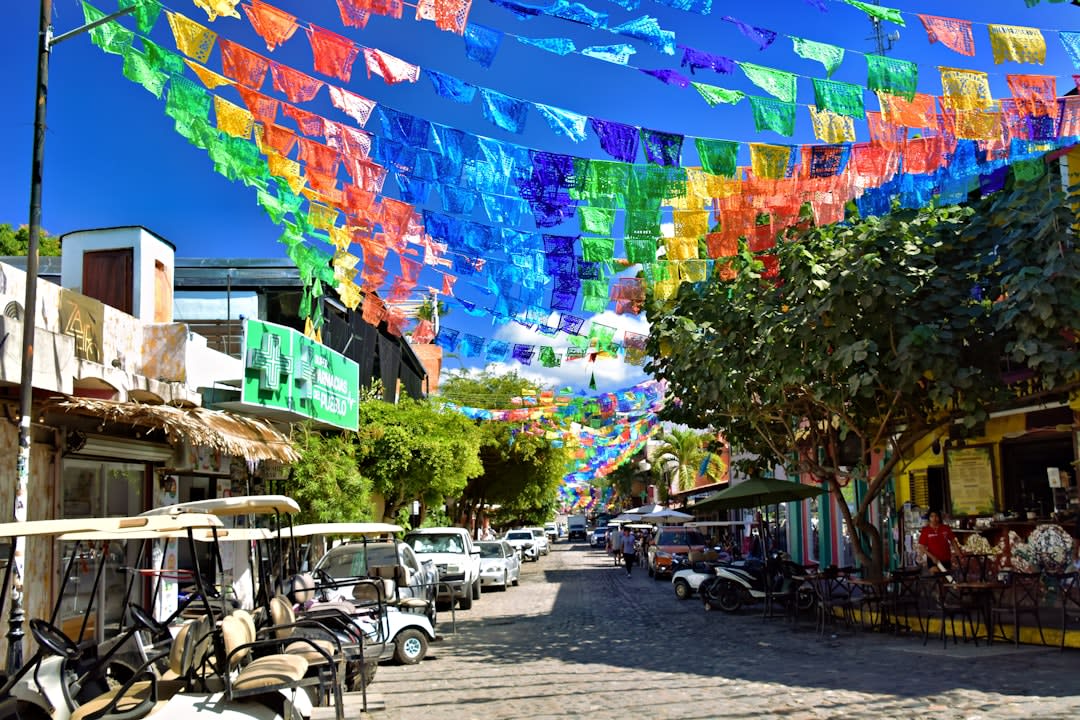
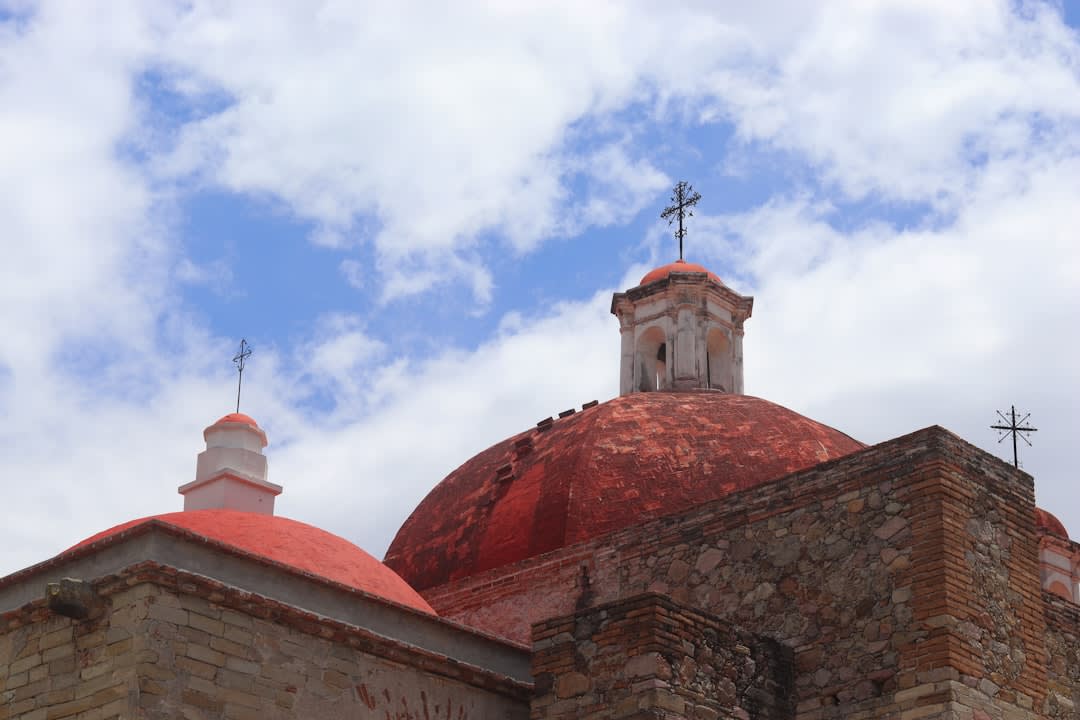
The church of San Mateo is baroque in the way that colonial highland churches tend to be baroque — formally ambitious but scaled to the means of a mining economy that was already thinning out when the facade was finished. Stone the color of dried corn, carved pilasters, a single bell tower that still operates on what I assume is the original schedule. Inside, the ceiling is painted in flat ochre and rust tones that feel less like decoration and more like the walls simply needed covering. The plaza that fronts it is small, un-manicured by design or neglect — I couldn’t tell which — with a kiosk in the center where a woman was selling cups of jicama with lime and chile piquín from a plastic cooler. I sat there for the better part of an hour. The men on the opposite bench were discussing something about rain with the seriousness the subject deserves at this altitude in late spring. Nobody photographed anything.
What the Hills Remember
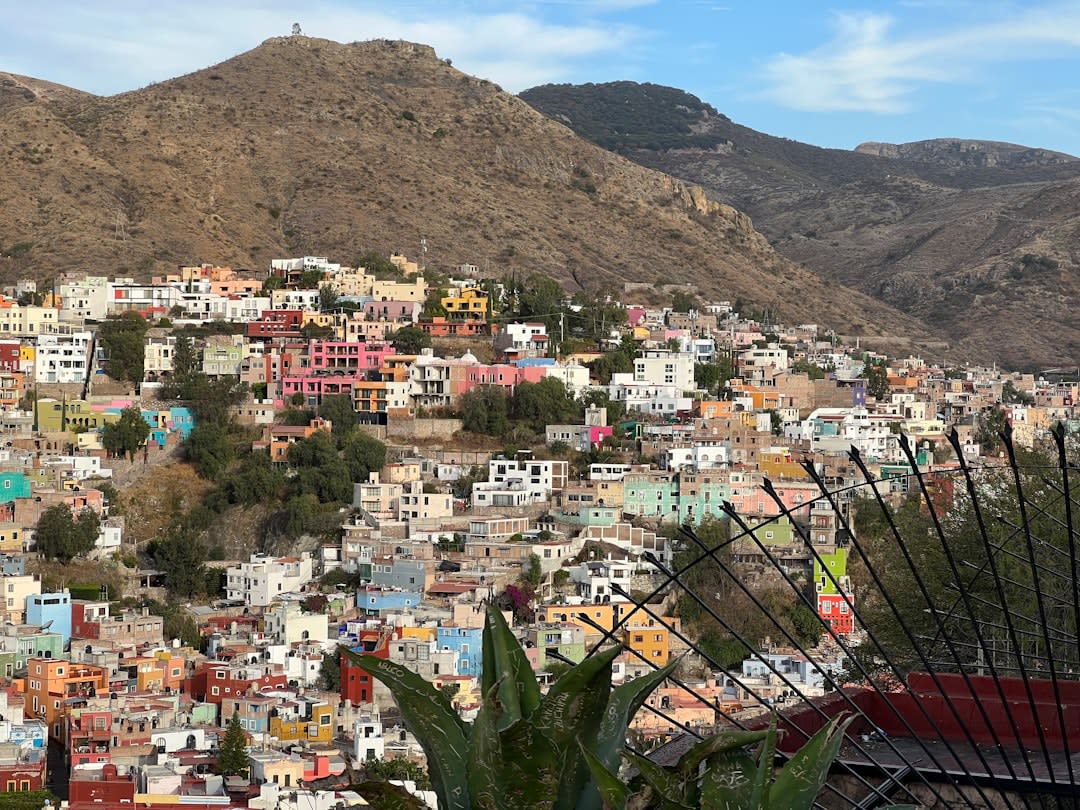
The hills around Tepezalá are not dramatic. They are the dry, folded kind — semi-arid scrub, the occasional organ cactus, soil that looks like it hasn’t entirely forgiven the sixteenth century. You can still find the surface evidence of colonial extraction if you walk twenty minutes east of the plaza: shallow depressions, old shaft mouths half-filled with rubble, tailings that the vegetation has only partially reclaimed. None of it is marked or narrated. Tepezalá doesn’t stage its mining past for anyone. It just leaves the evidence in the landscape and lets you draw conclusions. There is something almost relieving about that — so much of colonial Mexico is now packaged as a tour narrative, complete with audio guide and exit-through-the-gift-shop logic. Here the history is simply present, unglamorous, and available to anyone willing to walk toward it.
How to Spend a Day
The mercado municipal sits two blocks from the plaza, and on weekday mornings it is the most active place in town. I ate a bowl of pozole rojo at a stall run by a woman who had clearly been making it since before I was born — the broth dark and serious, the hominy properly bloated, a stack of dried oregano and tostadas on the side that I depleted faster than I should have. The tortillas are hand-pressed and thick. There is also a modest selection of queso fresco and dried chiles from the region worth buying if you’re driving back to Aguascalientes city with a cooler. I also walked out to the remains of the ex-hacienda on the road south of town — its stone walls still standing, the colonial courtyard stripped of pretension but full of afternoon light.
Getting There
Tepezalá is roughly 50 kilometers north of Aguascalientes city on Highway 45 — about 45 minutes by car. Buses depart the Aguascalientes central bus terminal several times daily and cost almost nothing. October through March is the most comfortable season; highland summers are hot and occasionally volatile. There is no dedicated accommodation in town, so Aguascalientes city makes the obvious base.