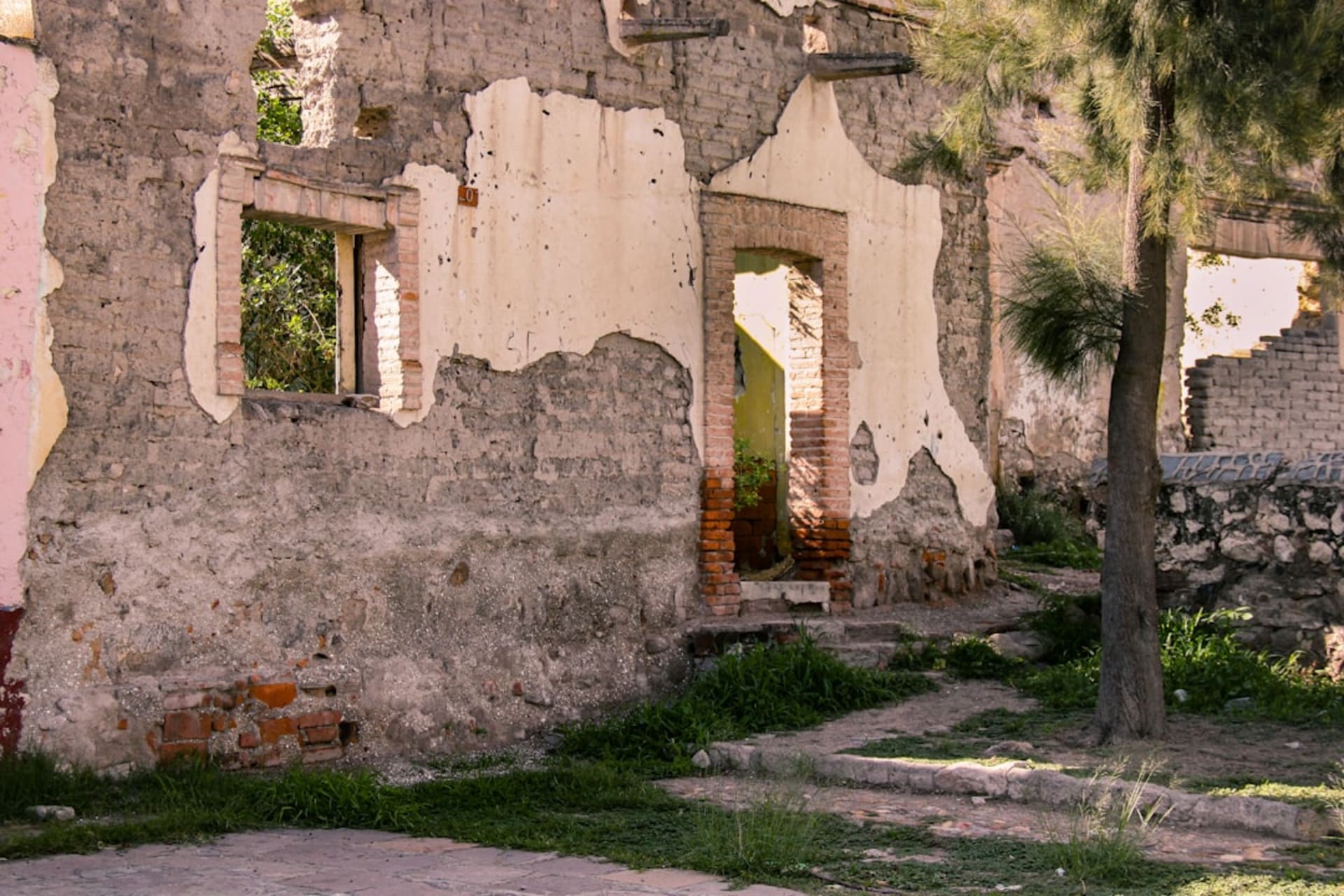
San José de Gracia
"The loudest thing in San José de Gracia on a Tuesday afternoon is the church bell, and after a few weeks on Mexican highways, that silence feels like arriving somewhere."
I came in from Calvillo on a secondary road that drops into San José de Gracia without announcement — no billboard, no tourism arch, just a tightening of the canyon and then suddenly a zócalo in front of you with old men under the portales and nobody trying to sell you anything. I had been driving since early morning. I sat in the main plaza for twenty minutes before I ordered anything, just letting the afternoon recalibrate around me. The church bell rang once at three o’clock and nothing else happened. That was more or less the point.
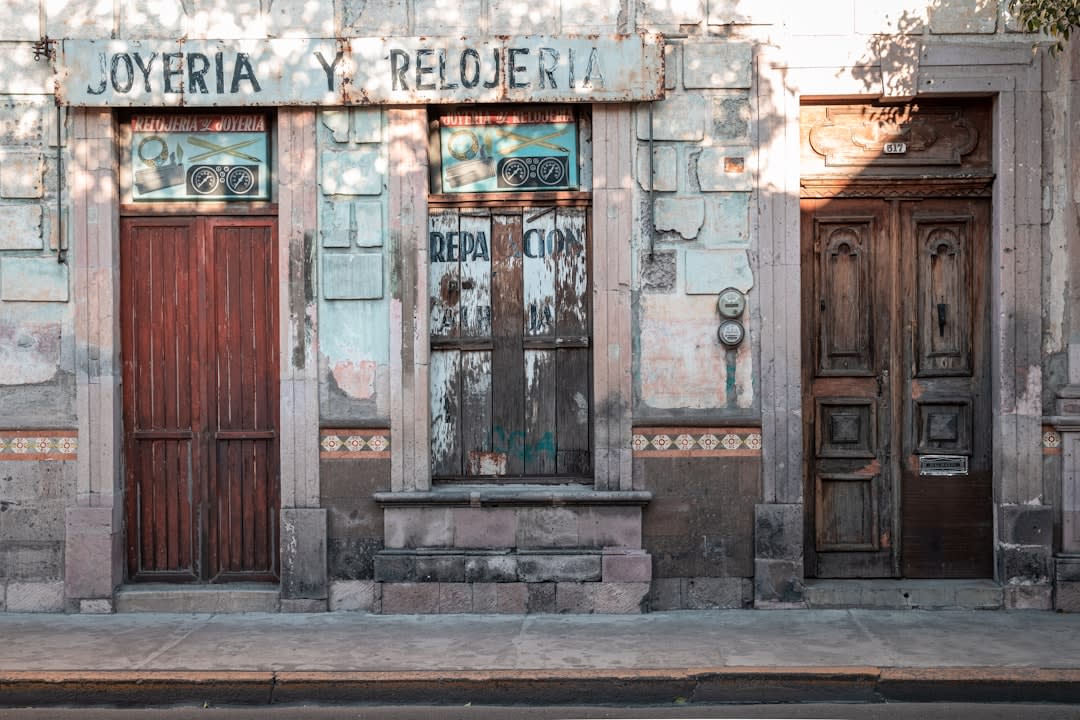
The Parish and the Portales
The thing that distinguishes San José de Gracia from other Pueblos Mágicos — and I say this knowing it sounds like the kind of compliment that eventually ruins a place — is that nobody here appears to be performing heritage. The parish church of San José, which faces the zócalo from the north, is an austere baroque structure that has been repaired but never prettified. No floodlights in theatrical colors, no interpretive signage about its colonial founding. The portales on the east side of the plaza house three or four establishments that have been serving café de olla and pan dulce to the same clientele for longer than anyone is going to stop to calculate. On the Tuesday afternoon I was there, a group of men who were probably in their seventies were deep in a card game under the arches, and when a norteño song came on from somewhere I couldn’t locate, one of them hummed along without looking up from his hand. The cobblestone streets running off the plaza — Calle Independencia, the ones climbing toward the hillside orchards — are empty enough in the midday heat that you can hear your own footsteps.
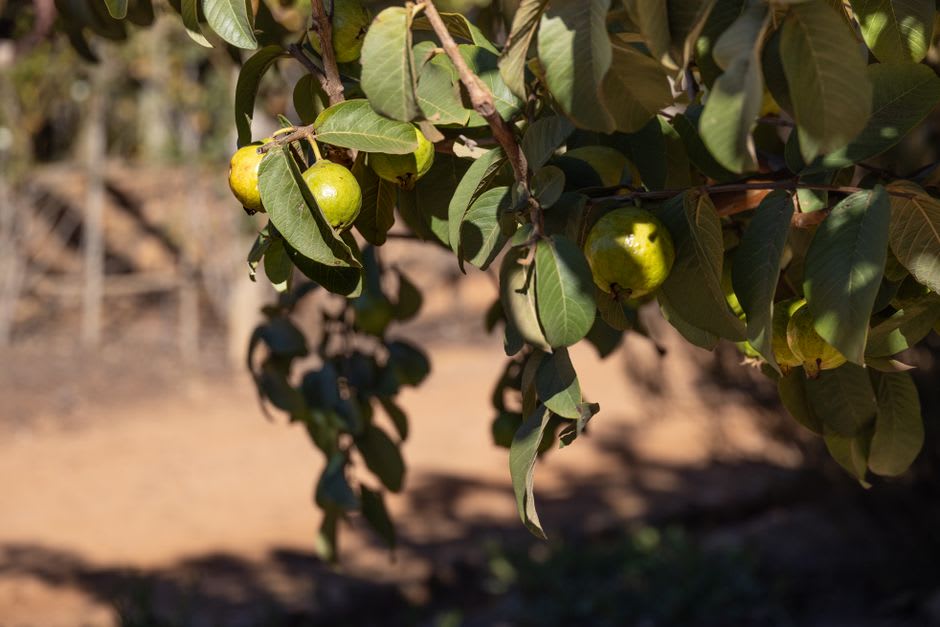
Guava Country
San José de Gracia sits at the edge of a microclimate the surrounding sierra creates, and the hillsides above town are terraced with orchards that have been producing guava and quince for generations. Neither fruit announces itself dramatically, but you notice them in everything: the mermelada de membrillo served with a slice of manchego at breakfast in the comedor on the plaza, the guayaba atole being ladled from a clay pot at a stall near the tianguis on Saturday mornings. I bought a kilo of quince from a woman selling from plastic crates on the unpaved road above town and she looked at me as though purchasing a kilo of quince was a perfectly ordinary thing to do on a Thursday, which in San José it evidently is. Some of that fruit ends up in the Aguascalientes city market; a fair portion becomes ate de membrillo and cajeta sold in the small tienda near the parish, wrapped in wax paper with no label except handwriting.
How to Use the Time Here
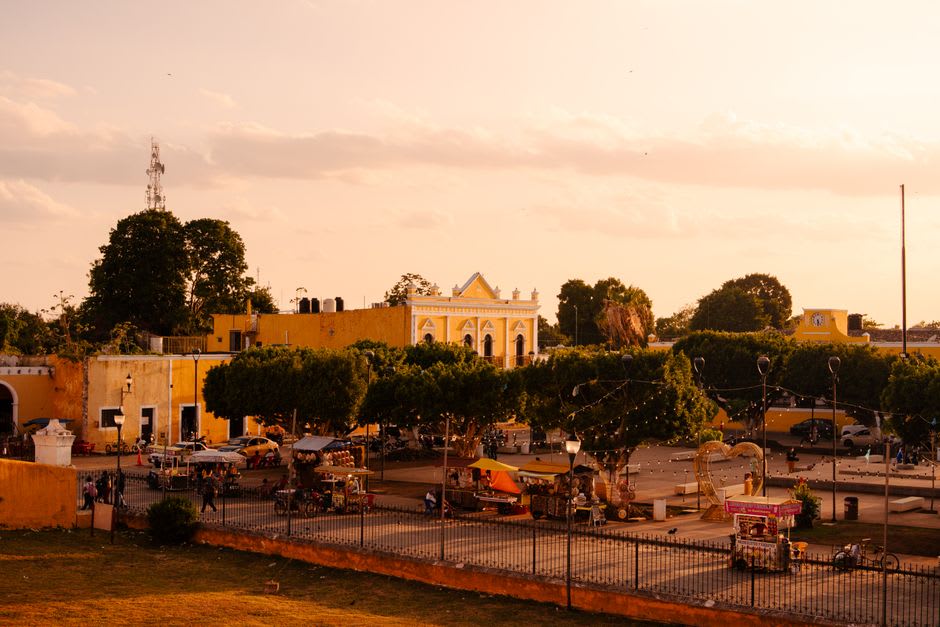
There is no obvious itinerary in San José de Gracia, and I mean that as description rather than criticism. The walk that made the most sense to me loops out of the zócalo toward the hillside orchards along the dirt track past the water tank — forty minutes up and back, long enough to see the whole bowl the town sits in with the sierra ridge behind it. For food, the comedor under the portales on the north side does a solid pozole rojo on Fridays and a guisado del día the rest of the week that runs out by one in the afternoon. Arrive before noon if you want options. Coffee from the place with the hand-painted sign — no other description needed once you’re standing in the plaza — arrives in a clay cup with a small piece of piloncillo balanced on the saucer.
Getting There
The nearest city is Aguascalientes, about 80 kilometers northwest via Calvillo and a secondary sierra road — roughly an hour and a half by car. No direct bus service connects them; reach Calvillo first and ask about combis heading into the hills. Spring and early autumn are the best seasons, when the orchards are active and the sierra afternoon storms haven’t settled in. Accommodation is limited; most people day-trip from Calvillo or Aguascalientes city.