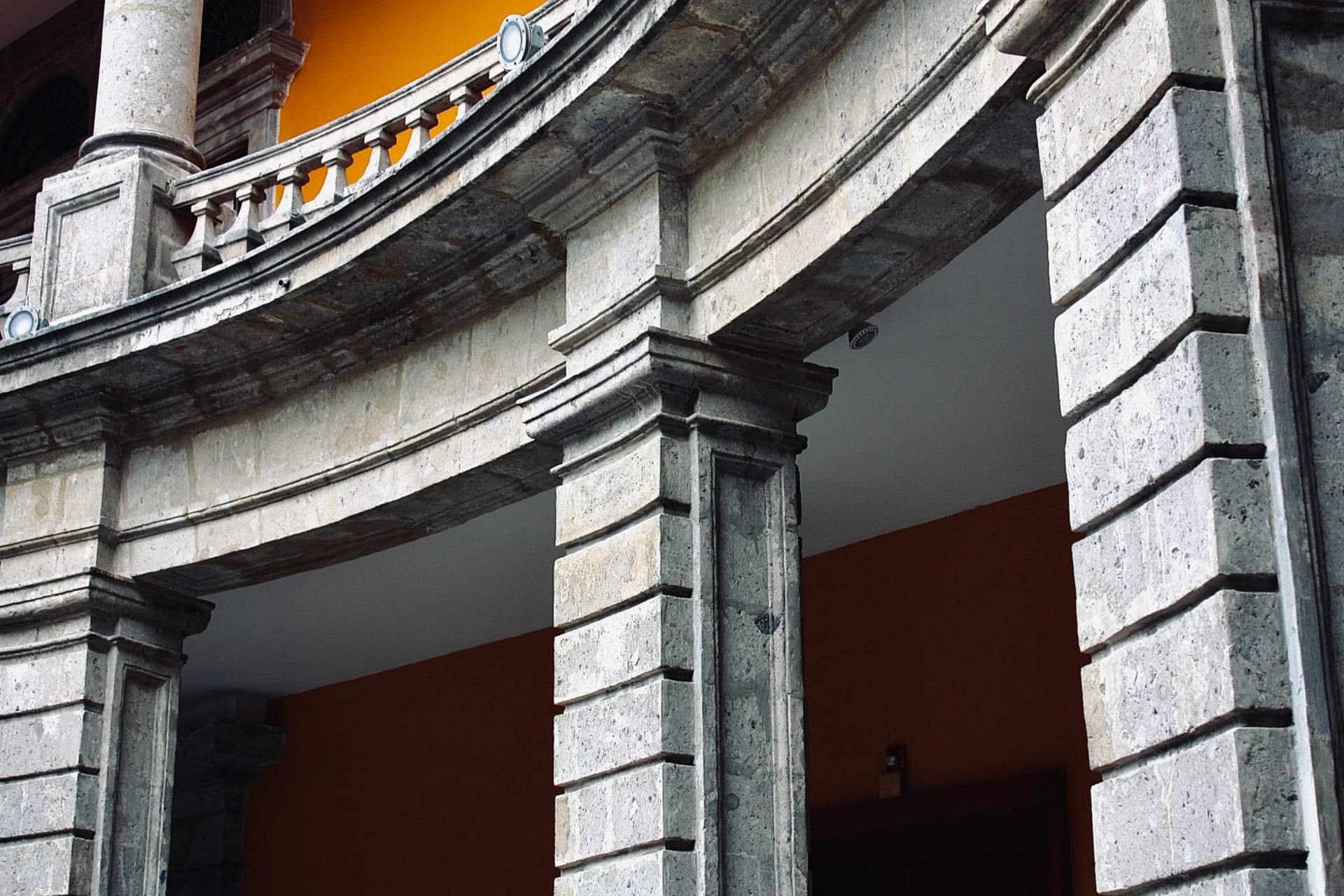
Pabellón de Arteaga
"The church was bigger than it had any right to be. The town looked up at it with the patient expression of people who have always lived next to something outsized."
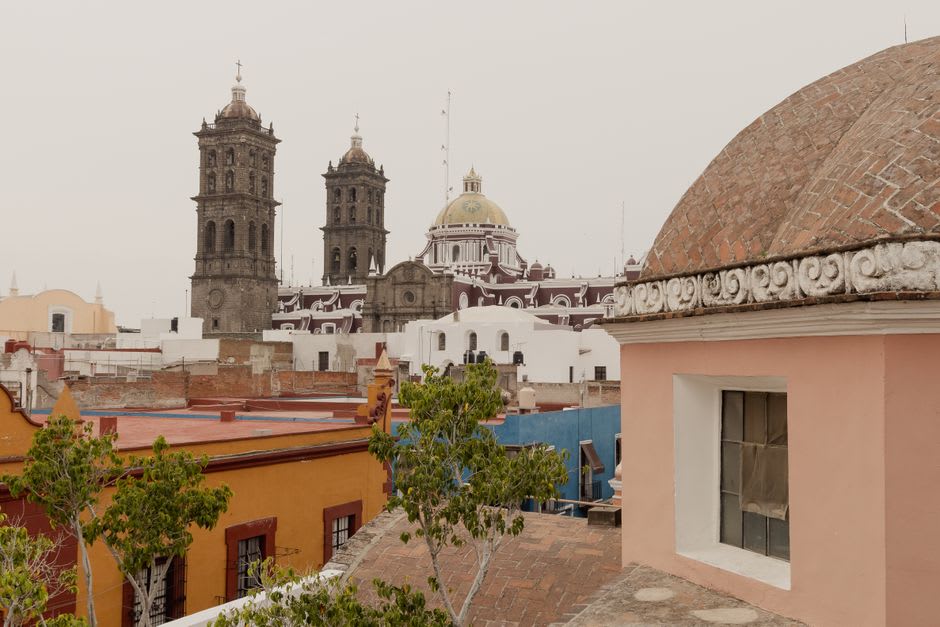
I was driving the route between Aguascalientes City and Zacatecas — a stretch of central Mexican highway I had covered before without stopping — when the church appeared on the horizon before the town did. That is not a common experience. Usually you arrive somewhere and then find the church inside it. Here the church announced itself from several kilometers out, a baroque silhouette rising from the flat plateau scrub with a clarity that seemed disproportionate to everything around it.
Pabellón de Arteaga is a small town. The church is not.
What Mining Money Built
The parish of San Francisco de Asís is one of those buildings that requires a moment of adjustment when you stand in front of it. You know, intellectually, that 18th-century silver wealth funded extraordinary architecture throughout central Mexico — you have been to Zacatecas, to Guanajuato, to San Luis Potosí. But Pabellón is not a mining city. It is a Pueblo Mágico of moderate size on the road between two larger places, and its church is bigger than either of those cities’ secondary churches.
The haciendas of the surrounding valley funded it. Aguascalientes is not famous for mining the way Zacatecas is, but the geology doesn’t stop at state lines, and in the 1700s there was enough silver wealth moving through these valleys to pay for that facade, those towers, that scale. I walked the church’s perimeter — it took longer than I expected, which is itself a form of architectural information. The baroque stonework on the towers has the specific density of a place where someone had unlimited ambition and the money to match it, at least for the years it took to build.
Inside, the space is cooler and quieter than the plaza. A woman near the front was praying in a way that required no acknowledgment of anyone else in the building. I sat in one of the wooden pews for a few minutes and was grateful, as I often am in Mexican churches that haven’t been overwhelmed by tourism, for the sense that the building was still being used for what it was built for.
The Plaza, Correctly Occupied
I bought a lemon sorbet from the shaved ice cart on the corner of the plaza. The vendor asked whether I wanted it in a cup or a cone of plastic bag — the bag option, where you bite the corner and eat the ice directly, is the local choice, and his expression when I chose it suggested I had passed some minor test.
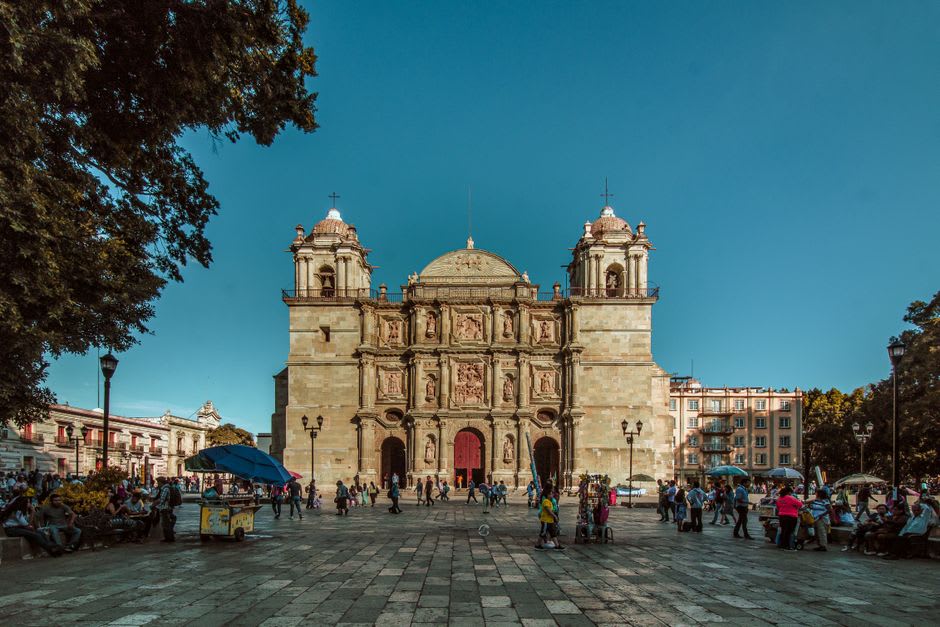
The plaza in Pabellón de Arteaga works the way Mexican plazas are supposed to work and increasingly don’t in places that have been discovered by travel articles. There were schoolchildren from somewhere nearby. There were two old men on a bench who had clearly been on that bench before and would be again. There was a woman selling something from a cooler that turned out to be a corn-based drink I didn’t recognize and should have asked about. I sat with my sorbet and looked at the church across the square and thought about the relationship between mining wealth, devotion, and stone — the way those three things produce buildings that outlast the specific circumstances that funded them.
If you come on a Sunday, the market wraps around the plaza and down the adjacent streets: dried chiles, grains, plastic goods, the assorted hardware that marks a real market rather than a crafts market aimed at visitors. I arrived on a Thursday and missed it, which is a reason to come back.
The Valley’s Unremarked Wine
What I hadn’t known before stopping was that the surrounding valley grows wine grapes. Aguascalientes doesn’t appear on the mental map of Mexican wine regions — you hear about Valle de Guadalupe, increasingly about Parras in Coahuila, occasionally about Querétaro. You don’t hear about Aguascalientes. But the central plateau at nearly 2,000 meters, with the temperature swings that altitude produces, turns out to suit viticulture, and there are small family operations in the valley that sell locally without making much noise about it.
A man near the market mentioned a winery within a few kilometers. I didn’t go — I was already behind schedule for Zacatecas and had spent longer than intended on the church walk and the sorbet. I noted it as an argument for a proper return visit rather than a passing stop.
Getting There
Pabellón de Arteaga sits on Federal Highway 45, about 40 minutes north of Aguascalientes City. If you’re driving toward Zacatecas it is genuinely impossible to miss the church towers from the highway, which is itself a reasonable argument for stopping. Buses on the Aguascalientes–Zacatecas route pass through and some stop in the town center. The church, the plaza, and a short walk through the surrounding streets cover the essential geography in an unhurried afternoon. Don’t skip it because you’re en route somewhere larger.