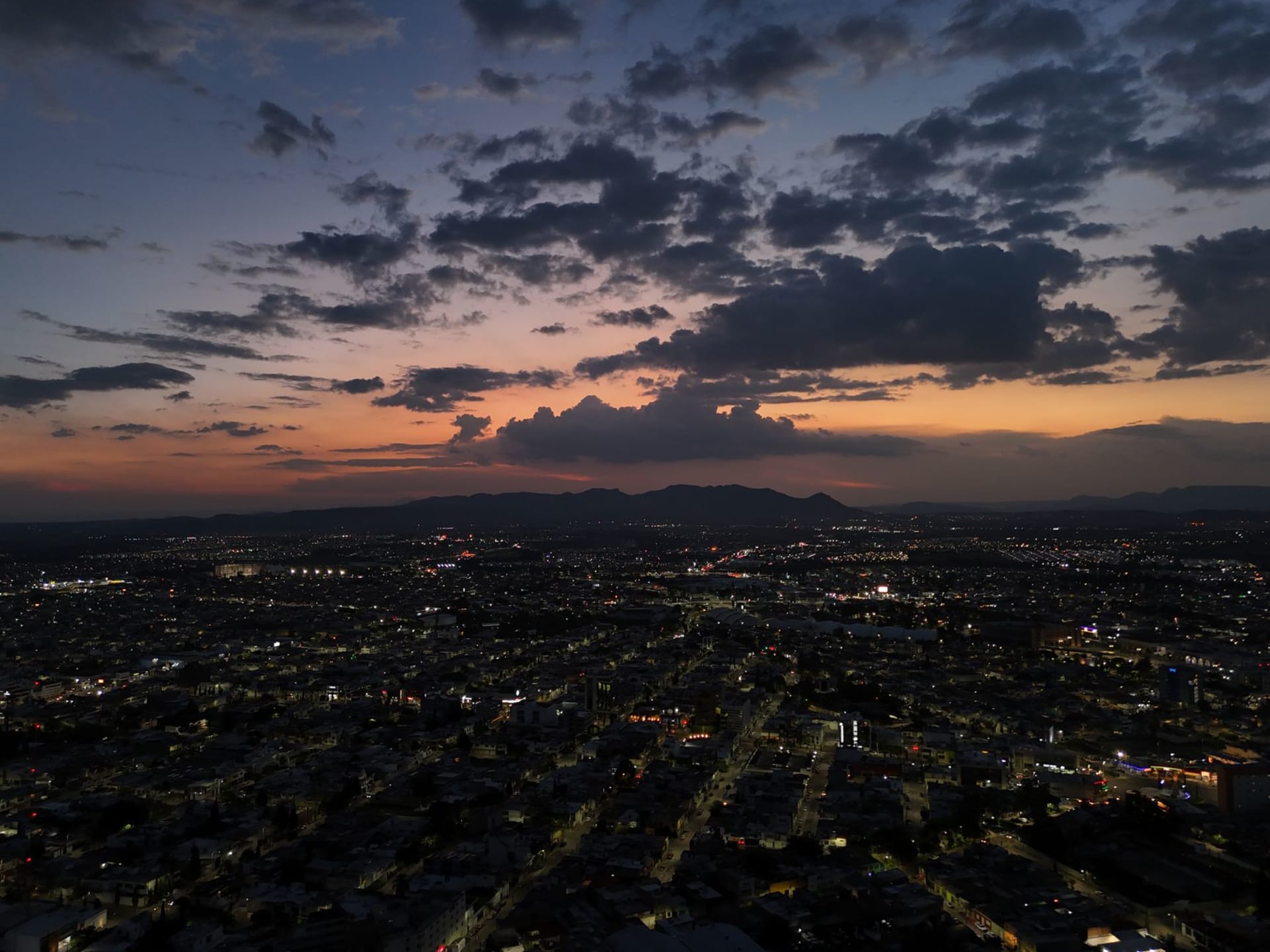
Aguascalientes City
"I arrived on a Tuesday expecting heritage tourism. I found a city entirely occupied with being itself."
I arrived on a Tuesday in late October, having miscalculated the bus connection from Zacatecas, and I walked into the centro of Aguascalientes with a bag that was heavier than I’d packed and a vague expectation of colonial prettiness marketed at me. What I found was different, and better.
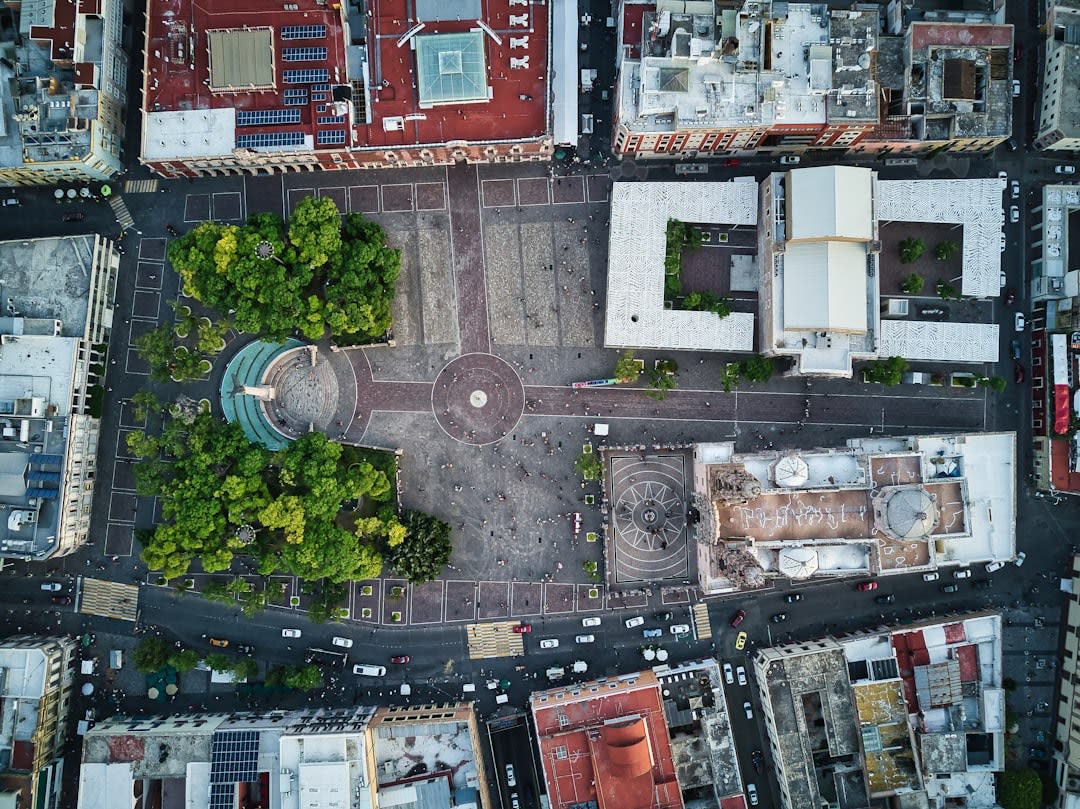
The historic center has the bones of a serious colonial city — the cathedral, the government palace, the shaded main plaza, the old aqueduct tunnels running beneath the streets — but the city wearing those bones is a working-class capital of half a million people that has never oriented itself around being photographed. On a Tuesday at eleven in the morning, the people in the centro were going to government offices, eating breakfast, picking up children from school, arguing about parking. I ate a gordita from a woman selling them from a cart outside the Palacio de Gobierno. The gordita had chicharrón and a green sauce that was hotter than it looked. The woman selling them had been at that corner for long enough that the businessmen passing bought from her without stopping to look at what they were buying.
What the Baroque City Actually Looks Like
The cathedral anchors everything. Its two baroque towers are the kind of architectural statement that requires direct sunlight to fully make sense — in flat morning light they look merely grand, but when the afternoon sun comes in at an angle, the carved stone ornament starts throwing shadows that rearrange the facade entirely. I stood in the plaza for an hour at different times of day, which is the kind of thing you can do in a city that is not performing for you. Nobody tried to sell me anything. A man on a bench was reading a newspaper with the focused attention of someone who does this daily and doesn’t consider it notable.
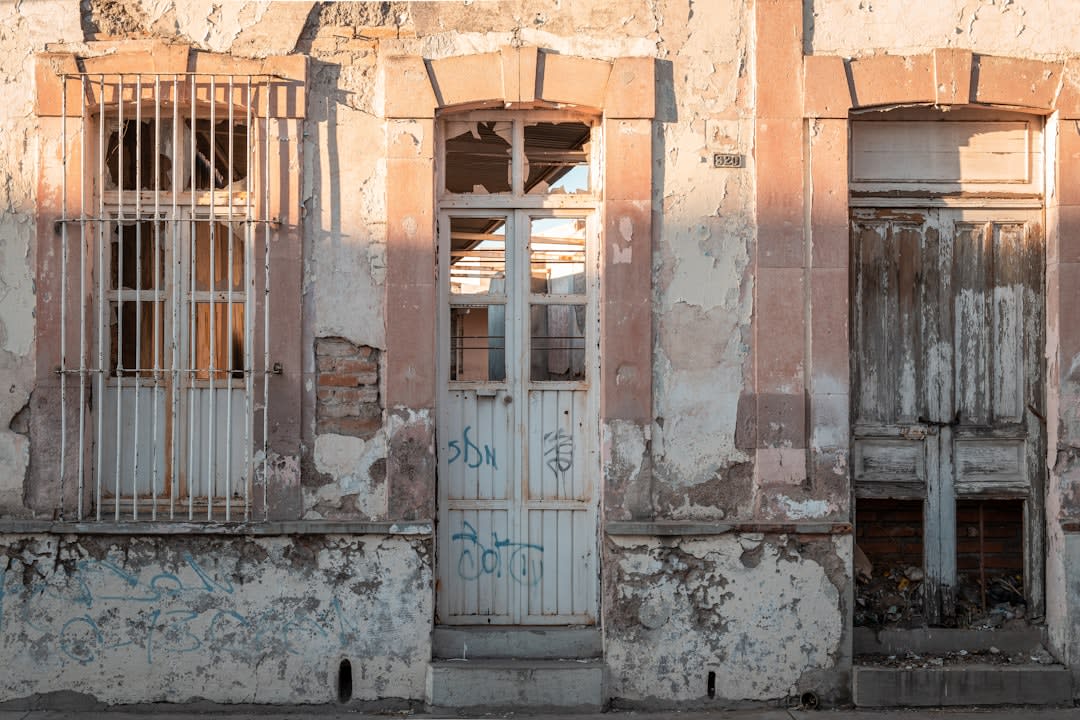
The centro is compact enough to walk without a plan. The Templo de San Marcos is a few blocks from the main plaza, quieter and less visited, with the best proportions of the colonial churches I saw here. The streets between them have the slightly faded grandeur I associate with provincial French cities — Lyon’s Presqu’île, maybe, before the restaurants got famous — buildings of real quality that have been patched and adapted over two centuries without anyone particularly trying to make them presentable.
The Tunnels Beneath the Streets
Aguascalientes means “hot waters,” and the city is built over a network of natural hot springs that have been channeled and managed since colonial times. The acequia tunnels — old aqueduct channels running under the historic center — are part of this water infrastructure, and some sections are now accessible as a kind of accidental underground attraction. I went down into them with a local guide through an entrance near the market.
The tunnels are not especially dramatic. They are low-ceilinged and smell of old stone and the whole experience takes about twenty minutes. What they do is give you a concrete sense of what it took to build a city in the middle of a dry plateau — the sheer hydraulic effort underneath the pretty facades. There’s something I find moving about that, infrastructure as serious as architecture, most of it invisible.
The Fair That Defines the City, and What It’s Like When It’s Gone
The Festival Nacional de San Marcos runs for three weeks every April, and if you don’t know about it, the scale of the thing is difficult to convey. It is not a regional food fair. It is one of the largest annual gatherings in Mexico — bullfights, lucha libre, cockfights, live music on multiple stages simultaneously, an exhibition space the size of a small city, and what is essentially one of the world’s largest outdoor parties running continuously for weeks. The fair has been going since 1828, which means it is older than a significant portion of independent Mexico.
I was there in October, which meant the fairgrounds were locked and the streets around them were quiet with a slightly end-of-season quality. At the Sunday market, I ate tacos de barbacoa at a long table crowded with families — the barbacoa was slow-cooked lamb, served in soft corn tortillas with a consommé broth alongside, and it was so good that I went back for a second round without pretending to consider whether I should. An older man at the table told me without being asked that the fair was the only time he saw his cousins from Guadalajara. This was said as a statement of fact, without sentiment, the way you describe the calendar.
Getting There and Staying
Aguascalientes is on the main highway and rail corridor between Guadalajara and Zacatecas. ADO and other first-class buses run regularly from both directions; the journey from Guadalajara is about two and a half hours, from Zacatecas about an hour and a half. The terminal is outside the center but taxis are inexpensive.
Stay in the centro if you can — there are several small hotels in renovated colonial buildings within walking distance of the cathedral. The city is not expensive. The food is better than it has any right to be given how little attention it receives in Mexican gastronomy circles. Come in April if the fair is something you want to experience; come in any other month if you want to experience the city that the fair happens to belong to.