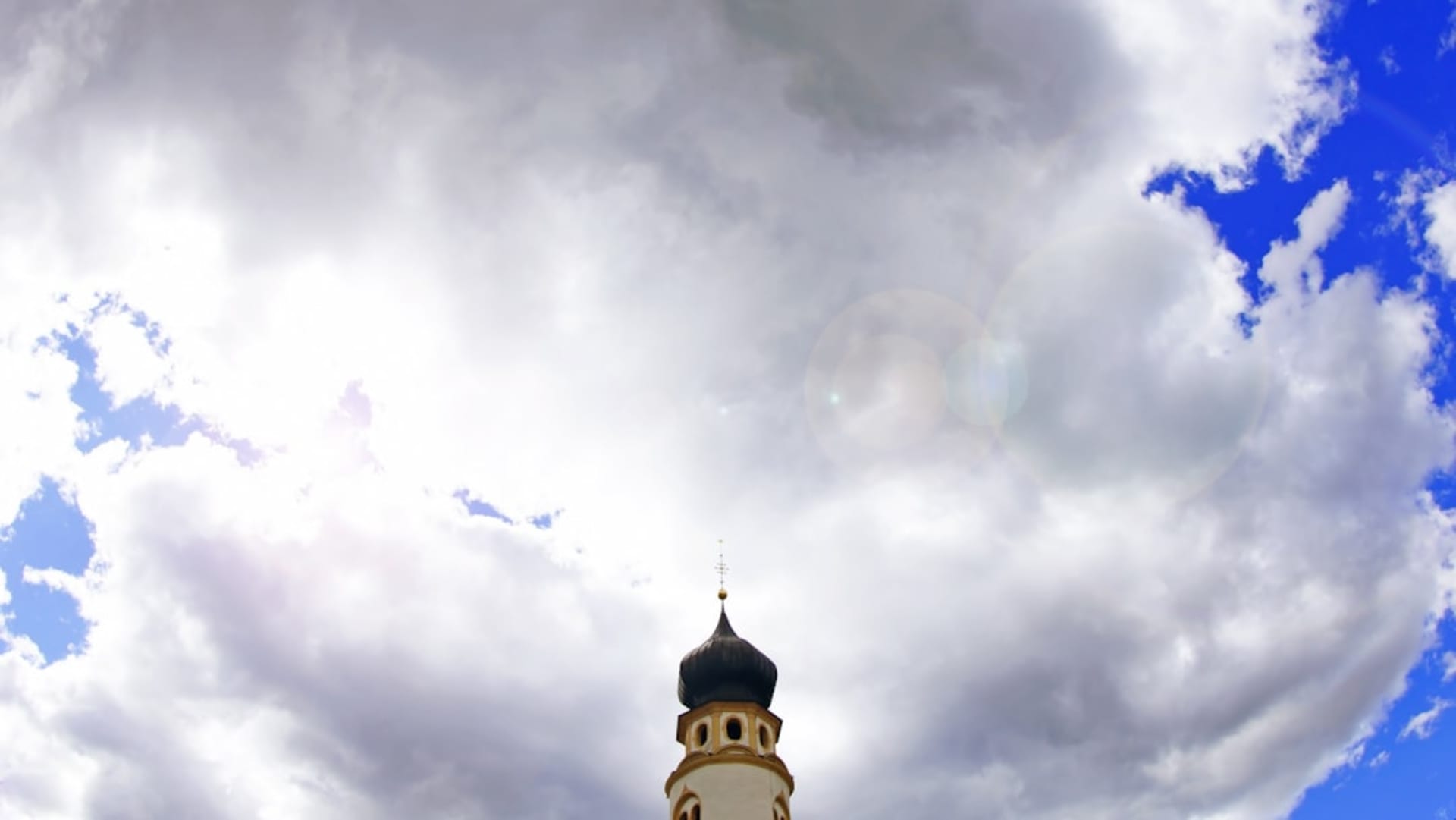
Samarra
"The Abbasids built a capital meant to outshine Baghdad. For sixty years, it did."
A brief, dazzling ninth-century capital on the Tigris, where a spiraling minaret still climbs out of the ruins of what was once the largest city in the world.
The Malwiya minaret announces itself from a distance the way almost nothing else in Iraq does — a fifty-two-meter spiral cone of mudbrick, its exterior ramp winding upward like something a child would draw if you asked them to imagine an ancient tower. I climbed it on my first afternoon in Samarra, the ramp wide enough for two people to pass but narrow enough to feel genuinely exposed, no railing on the outer edge, the wind picking up the higher I went. At the top, the view is the whole point: the vast, largely unexcavated footprint of what was, for about sixty years in the ninth century, the capital of the Abbasid Caliphate and reportedly the largest city on earth.
The Abbasids built Samarra in 836 CE, partly to get their unruly Turkish military guard out of Baghdad and partly, I suspect, because a fresh capital lets a dynasty write its own myth from scratch. They built fast and enormous — the Great Mosque the Malwiya belonged to was, at the time, the largest mosque in the world, its outer walls still tracing a rectangle you can walk for a genuinely long time before you circle back. Palaces sprawled along the riverbank for kilometers, canals were dug, gardens planted, and then, in 892, the caliphate moved back to Baghdad and Samarra deflated almost as fast as it had inflated. What you’re walking through today is one of the largest archaeological sites on the planet by area — and one of the least excavated, precisely because it was inhabited so briefly that later cities never buried it under themselves.
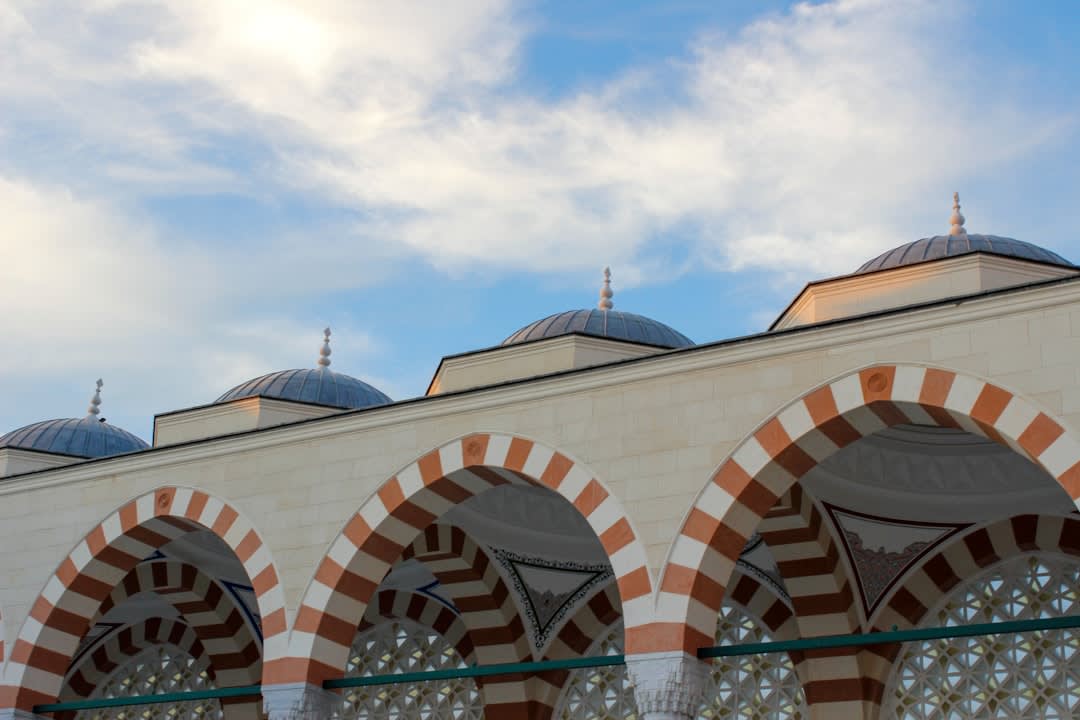
Samarra is also a living pilgrimage site, not just a ruin, and this is where the modern history gets heavier. The Al-Askari Shrine, sacred to Shia Muslims as the burial place of the tenth and eleventh Imams, sat at the heart of the modern town — its golden dome one of the most photographed religious structures in Iraq — until it was bombed in February 2006, an attack that triggered some of the worst sectarian violence of the entire Iraq War. I stood in the rebuilt courtyard, the new dome gleaming, gold leaf applied by craftsmen who worked on it for years, and talked with a young shrine guard who had been a child during the bombing and remembered the sound reaching his house across town. Reconstruction here isn’t an abstraction. It’s personal, recent, and still being paid for.
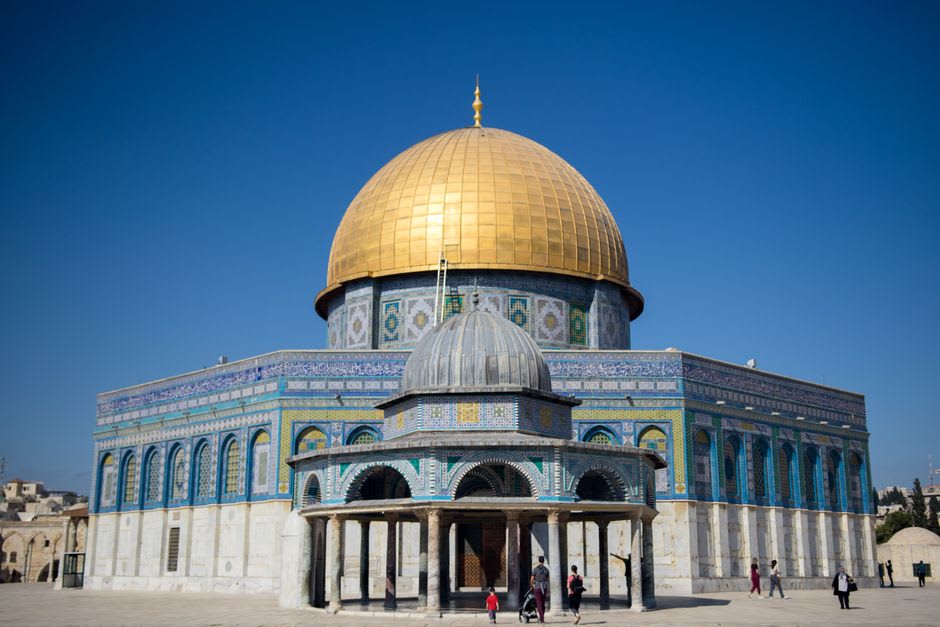
What struck me most, leaving Samarra, was how the ninth-century ambition and the twenty-first-century grief sit within walking distance of each other — a spiral minaret built to declare a new capital’s confidence, and a rebuilt golden dome built to declare that a wounded community intends to keep gathering exactly where it was attacked.
When to go: October through April for the archaeological site, when you can walk the exposed grounds around the Malwiya without punishing heat. Confirm current security conditions before visiting the shrine area, as Samarra sits in a historically sensitive security zone north of Baghdad.