Middle East
Mesopotamia
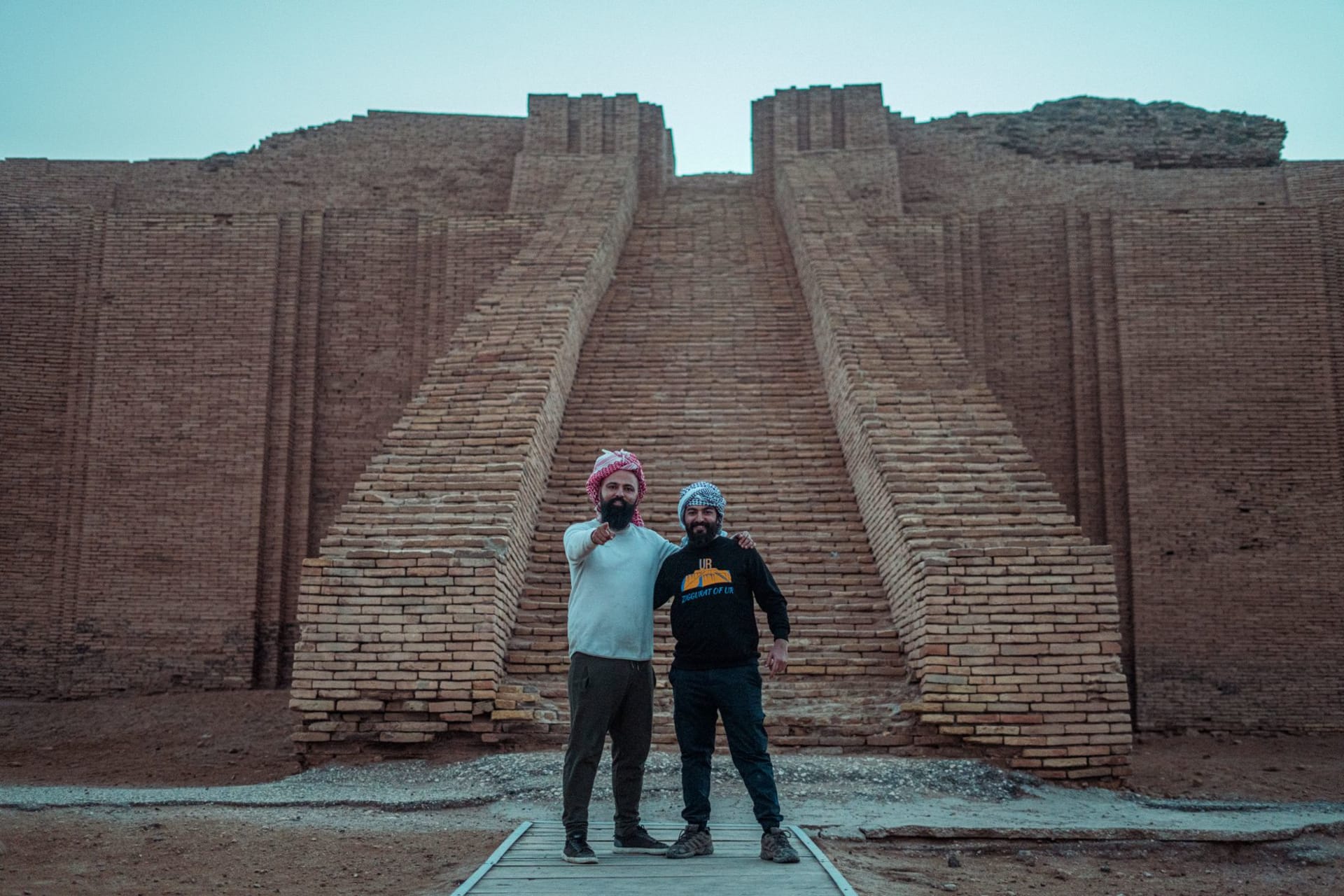
"Standing at Ur, I understood why every civilization claims it started here."
The Ziggurat of Ur hits you before you understand what you’re looking at. You come up the road from Nasiriyah, the plain completely flat in every direction, the sky enormous, and then this stepped mass of dark brick appears on the horizon and simply refuses to be contextualized. It is four thousand years old. It was already ancient when Alexander the Great passed through. The Sumerians built it as a physical connection between earth and the gods, and standing at its base — the bricks still warm from the afternoon sun, the silence total — you feel not exactly religious but undeniably in the presence of something that outlasted every empire that tried to claim it.
Southern Iraq is where this civilization quietly unfolds. Babylon, two hours south of Baghdad, is where Hammurabi codified the world’s first laws and where Nebuchadnezzar built a city so dazzling that the ancient world couldn’t stop writing about it. The ruins are humbling in a different way from Ur — more spread out, more archaeological, requiring more imagination — but the scale of what Babylon was eventually lands. Nearby, the Marshes of the Euphrates have been repopulated since Saddam drained them in the nineties, and the Ma’dan people, the Marsh Arabs, have partially returned to their reed islands. Eating fresh river fish in a mudhif — a traditional reed guesthouse — with a family that has lived on this same stretch of water for generations is the kind of experience that reorients what travel is supposed to do.
The food is simpler here than in Baghdad: flatbread called samoon, slow-cooked lamb and rice called quzi, river carp grilled over palm wood. Tea arrives constantly, sugared and black, in small glasses. People ask where you’re from with genuine curiosity, not commercial interest. The infrastructure is difficult, the logistics require patience, and the political situation demands current research before any visit. But Mesopotamia is not a destination for people looking for ease. It is a destination for people who want to stand in the place where human civilization decided to try something new.
When to go: October through April are the viable months — temperatures drop to a manageable range between 15°C and 28°C. Summers in southern Iraq are extreme, pushing past 50°C in the Euphrates plain and making outdoor visits to ruins genuinely dangerous. March and April bring a brief season of green to the marshes before the heat sets in.
What most guides get wrong: They frame Mesopotamia as an archaeological abstraction — a place to understand in textbooks, not visit in person. The reality is that Iraqi hospitality is among the most overwhelming I have encountered anywhere, and the country is more accessible to independent travelers than its reputation suggests. The threat landscape has changed significantly since 2019. Do your research, register with your embassy, and go. The Ziggurat of Ur has almost no tourists. That will not last.