Mosul
"They said Mosul would take a generation to rebuild. Walking its Old City, you can watch that generation getting to work."
A city rebuilding itself, street by street, from an occupation that tried to erase it — the Old City's souks, churches, and mosques returning to life across the river from ancient Nineveh.
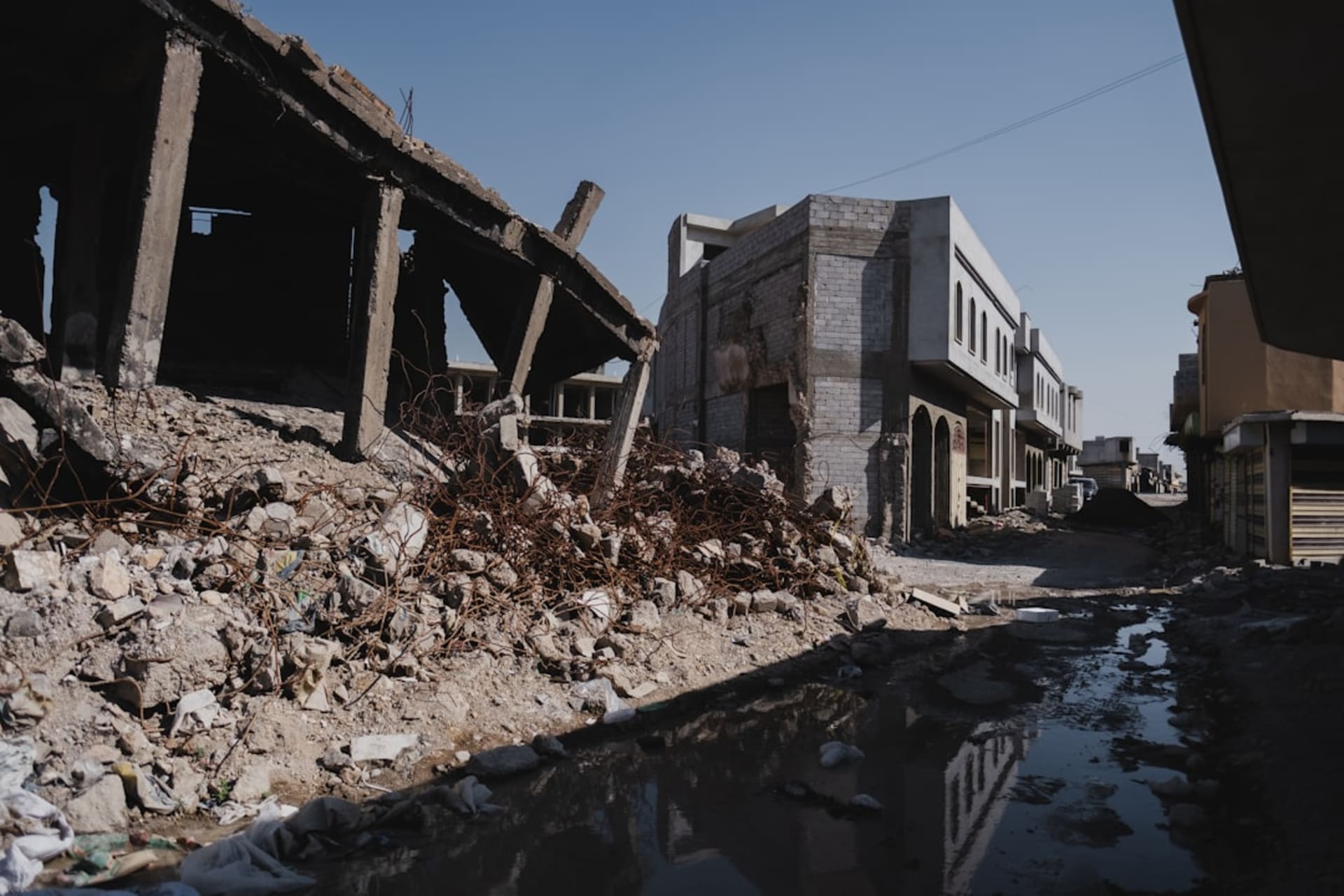
I need to be honest about how I expected to feel walking into Mosul’s Old City, and how wrong that expectation was. I’d read enough about the 2016-2017 battle to liberate the city from ISIS — nine months of urban warfare, the Old City reduced in places to rubble, the Great Mosque of al-Nuri’s leaning minaret, al-Hadba, dynamited by the group as its own defeat became inevitable — that I arrived braced for a ghost town. What I found instead was scaffolding, cranes, restored stone facades next to still-shattered ones, and an unmistakable, stubborn hum of a city insisting on itself again.
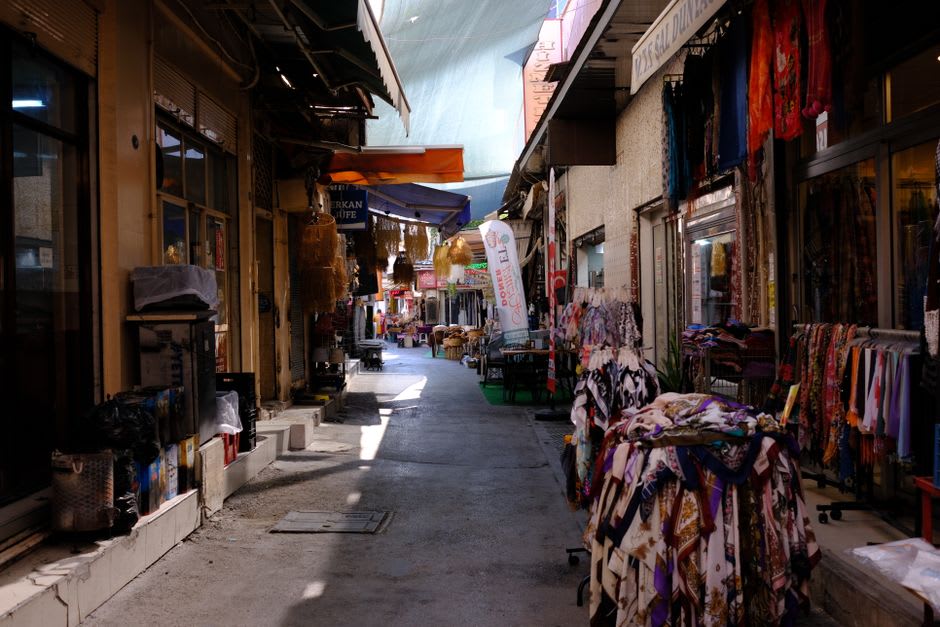
The reconstruction of al-Nuri Mosque, led by UNESCO’s “Revive the Spirit of Mosul” initiative alongside the UAE, has become the visible symbol of that insistence — I watched masons working the stone by hand, matching the original Mosuli style, rebuilding al-Hadba’s distinctive lean (the minaret has tilted for centuries, a quirk of its foundation, and locals were adamant it be rebuilt crooked, exactly as it always was, rather than corrected). Nearby, the reconstruction of the Church of Our Lady of the Hour, the Latin Church with its French-donated clock, and the Al-Tahera Syriac Catholic Church proceeds alongside the mosque, funded and staffed in a way that felt, walking between them, like the most concrete argument against sectarian narratives I’ve encountered anywhere.
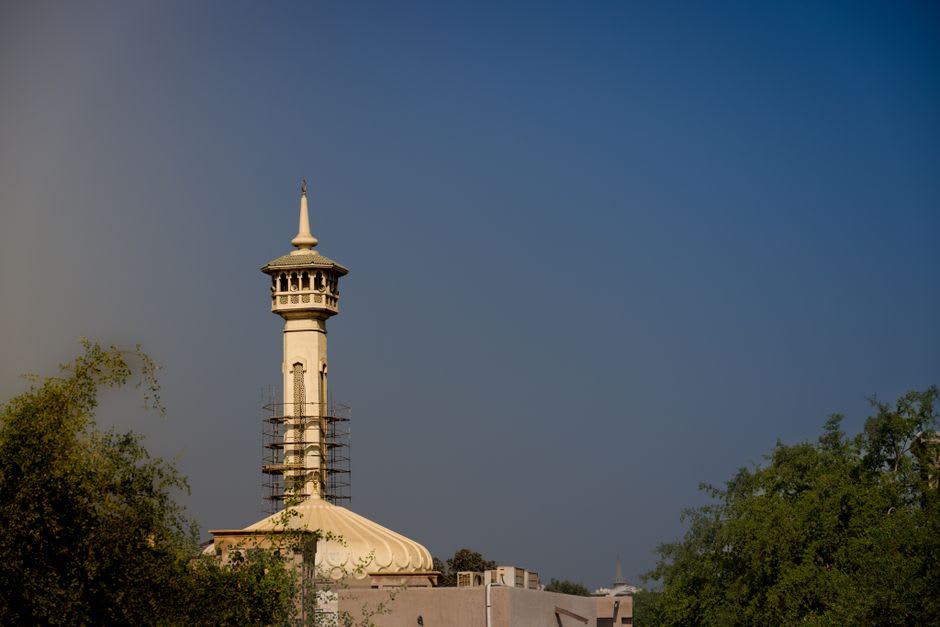
Mosul’s covered souk, the Qaysariyya, has come back too, though unevenly — some alleys are fully restored with new stalls selling spices, fabric, and copperware, others still show blast damage on upper floors while the ground level trades as if nothing happened. I bought dates from a vendor whose grandfather had the same stall, in the same alley, and he told me — matter-of-factly, without asking for sympathy — that he’d rebuilt the stall three times since 2003 for different reasons. That’s the real texture of Mosul: not a city defined by its worst years, but one whose residents have simply gotten extremely good, out of necessity, at starting over.
Across the Tigris sit the mounds of ancient Nineveh, which makes Mosul, in a strange way, a city permanently in conversation with its own deep past — a modern population rebuilding itself in direct view of ruins that have already survived, and been rebuilt from, far worse.
When to go: October through April for manageable heat. Reconstruction is genuinely ongoing and some Old City areas remain restricted; hire a local guide who can confirm current access to al-Nuri, the churches, and the souk before you go.