Basra
"They call it the Venice of the East. The canals are real. So is everything Venice doesn't have to deal with."
Iraq's southern port city, threaded with canals and palm groves along the Shatt al-Arab, where Sinbad supposedly set sail and where oil money and old commerce still argue with each other.
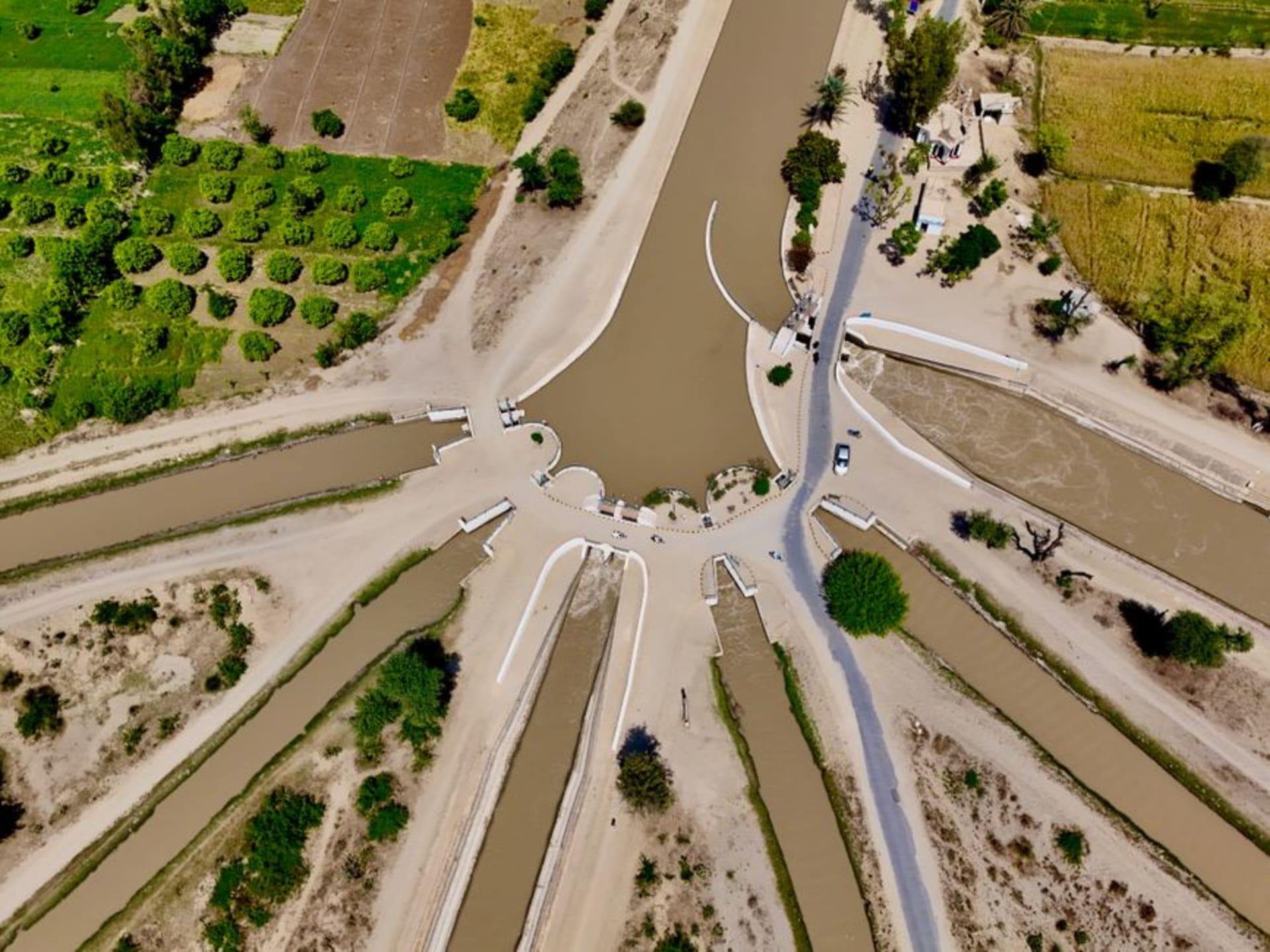
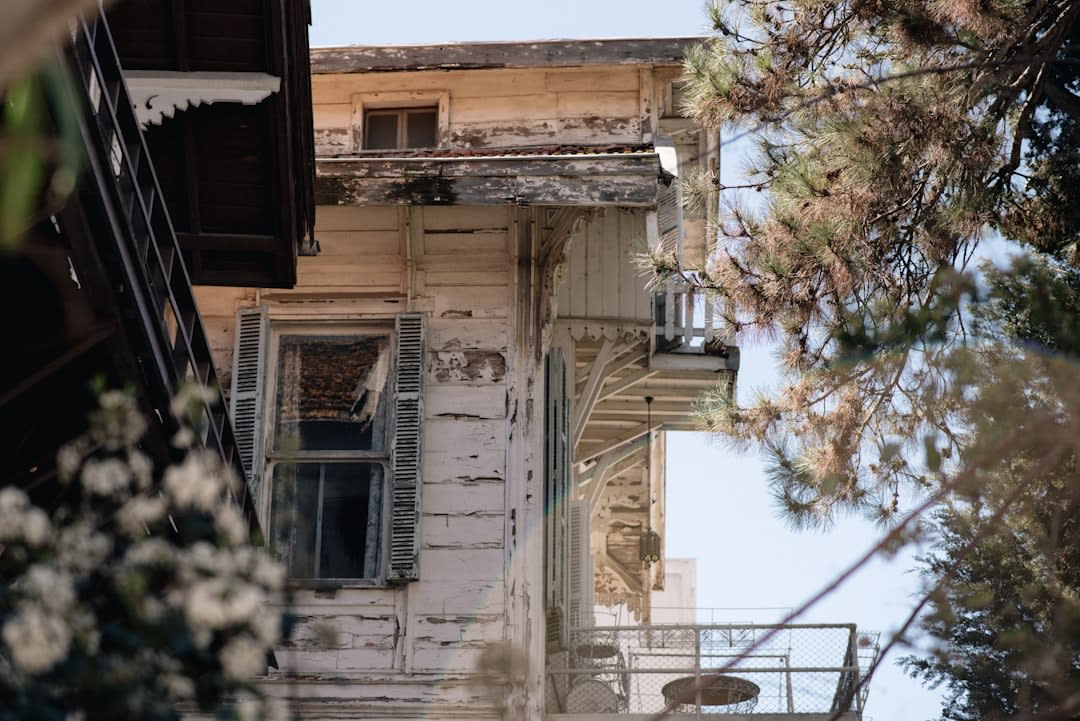
Basra earns its old nickname honestly and then immediately complicates it, which is exactly the kind of city I find myself liking more than the postcard version of anywhere. The canals are genuinely there, cutting through the older quarters, lined with the wooden mashrabiya balconies that made Basra’s merchant houses famous across the Gulf a century ago — some restored, most sagging, a few collapsed outright. I took an early evening walk along the Ashar waterfront with a local friend of a friend who has lived here his whole life, and he pointed out which buildings used to belong to Ottoman-era pearl merchants, which canals used to run boats loaded with dates for export as far as India and East Africa, and which stretches are now simply silted up, waiting for a restoration budget that keeps getting deferred.
This is also, according to layered folklore that Basra locals will happily argue about over tea, the departure point for Sinbad the Sailor’s voyages, and whether or not you take that literally, the city’s identity as a port obsessed with the sea beyond its visible horizon runs very deep. The Shatt al-Arab, the wide combined waterway formed by the Tigris and Euphrates just north of here, gives Basra its access to the Gulf, and standing at the corniche watching container ships and small fishing dhows share the same water, you get a genuine sense of a trading city that has been doing this, one way or another, for over a thousand years.
Basra is also, unmistakably, an oil city, and that fact sits uneasily alongside the old merchant romance. Southern Iraq’s oil fields fund most of the national budget, and Basra province processes and exports the overwhelming majority of it, which means the city has simultaneously immense wealth passing through it and a surprisingly threadbare public infrastructure — protests here over water quality, electricity shortages, and unemployment have been a recurring feature of Iraqi politics for years. I don’t say this to be grim about the visit; I say it because understanding that tension is the difference between seeing Basra as a curiosity and understanding it as a real, frustrated, resilient city.
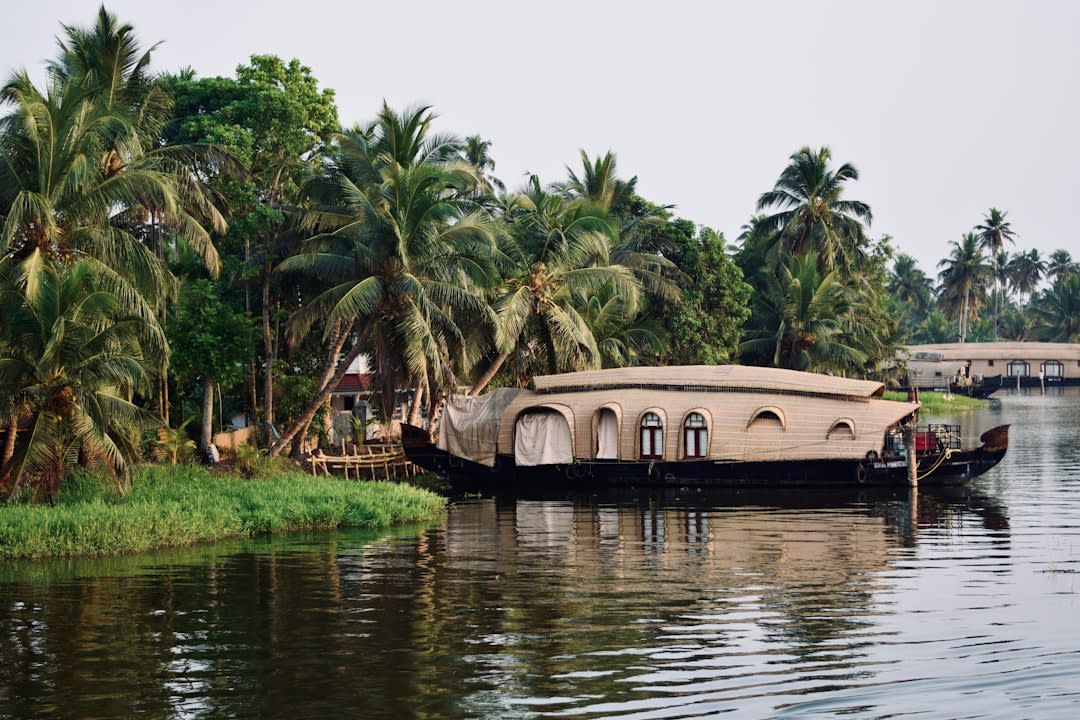
What I’ll remember longest is an evening tea stall on the corniche, glasses refilled without being asked, three different men separately insisting I try their preferred grilled fish stall down the street, each one certain the others were wrong. That argument, warm and specific and entirely unresolved by the time I left, felt like the truest thing Basra offered me.
When to go: November through March. Basra’s summer heat, intensified by humidity off the Gulf, is genuinely brutal even by Iraqi standards, regularly exceeding 48°C. Winter evenings on the corniche are the city at its best.