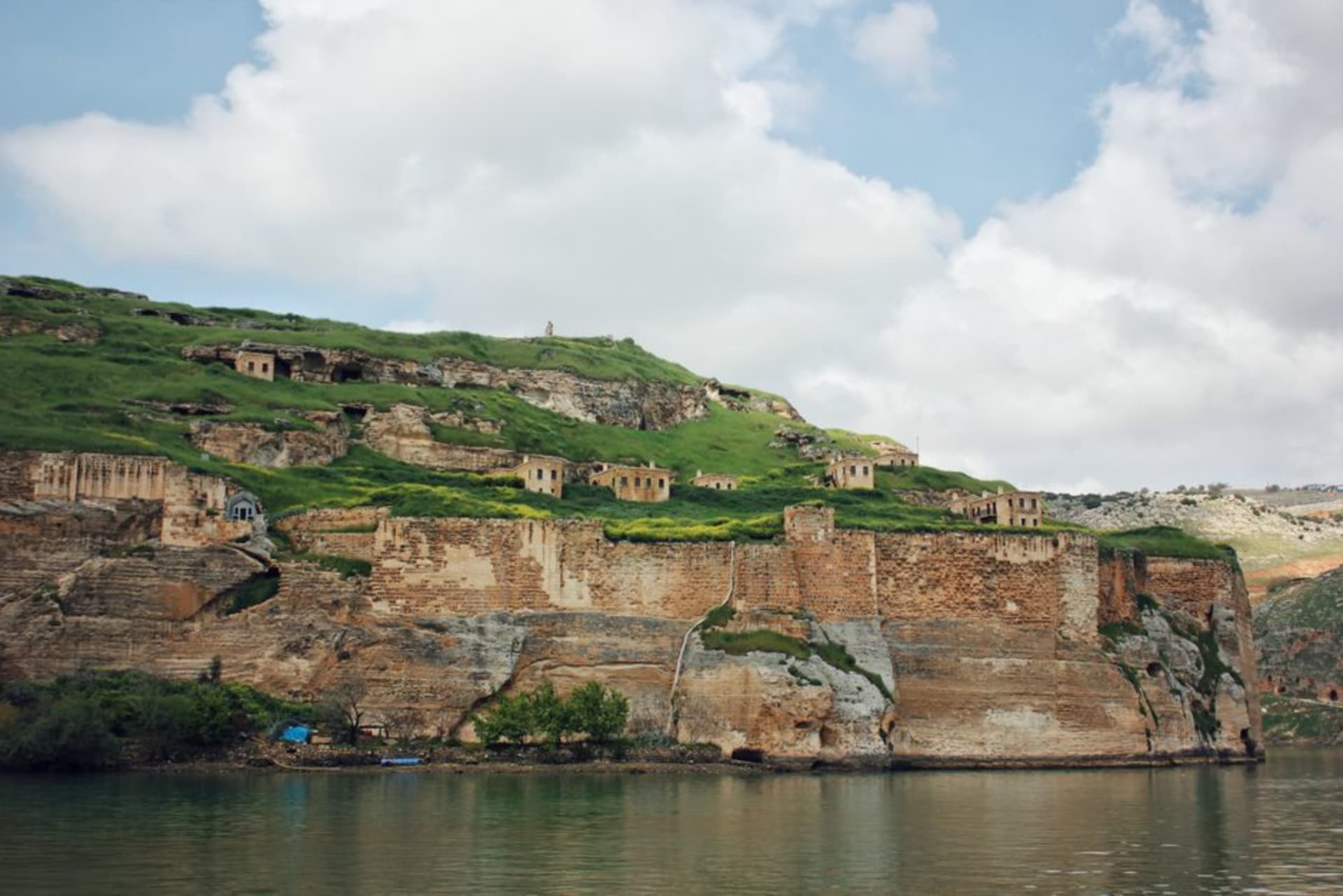
Ashur
"Nineveh was the empire's showpiece. Ashur was its soul, and it never forgot it."
The original heart of the Assyrian empire, perched on a limestone cliff over the Tigris — a UNESCO site that survived three thousand years of history only to nearly lose a fight against a proposed dam.
Every Assyrian king, no matter how far the empire’s capital moved — to Kalhu, to Dur-Sharrukin, to Nineveh — still came back to Ashur to be crowned and to be buried. That fact alone tells you what this place meant, and standing on the bluff where the city sits, the Tigris curling below in a wide green bend, you understand the choice immediately. This is a naturally fortified promontory, cliffs on three sides, the river doing half the defensive work for free, and the Assyrians built their god’s namesake city — Ashur was both the place and the deity — directly on top of that natural advantage more than four thousand years ago.
What survives now is quieter than Nimrud or Nineveh in tourist terms but arguably richer in what it tells you about continuity. The double ziggurat bases, the temples to Ashur and to Ishtar, the royal tombs where excavators found actual sarcophagi of Assyrian queens still holding their grave goods — gold, ivory, rock crystal — when German archaeologists opened them in the 1980s. I walked the site with a guide from nearby Sherqat, the modern town that gives the ruins their commonly used name, Qal’at Sherqat, and he pointed out where the old city wall drops straight into the cliff face, no transition, just architecture surrendering to geology.
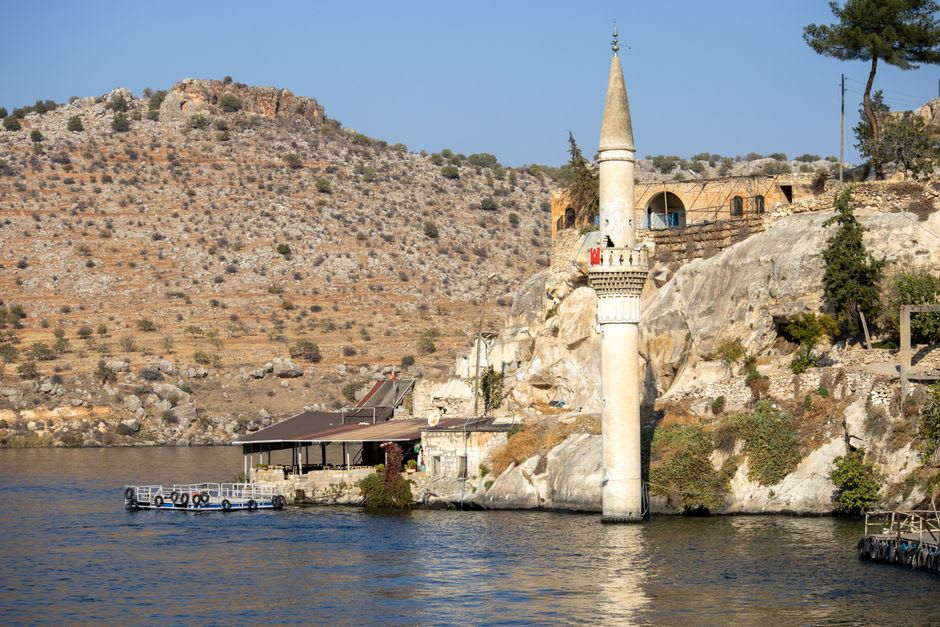
Ashur has had a strange modern history layered on top of the ancient one. In the early 2000s, a proposed dam downstream threatened to submerge much of the site under a reservoir, and it took a genuinely international campaign — UNESCO listing it as a World Heritage Site in Danger in 2003, archaeologists and diplomats lobbying together — to get the project shelved. Then ISIS occupied the area in 2014, and though the group did not destroy Ashur with the theatrical violence it brought to Nimrud and Hatra, the site suffered from neglect, looting risk, and years of inaccessibility. Iraqi and international teams have since returned, and when I visited, restoration scaffolding stood next to the royal tombs, an odd, hopeful contradiction: this place has now survived both a flood and a fire that never quite arrived.
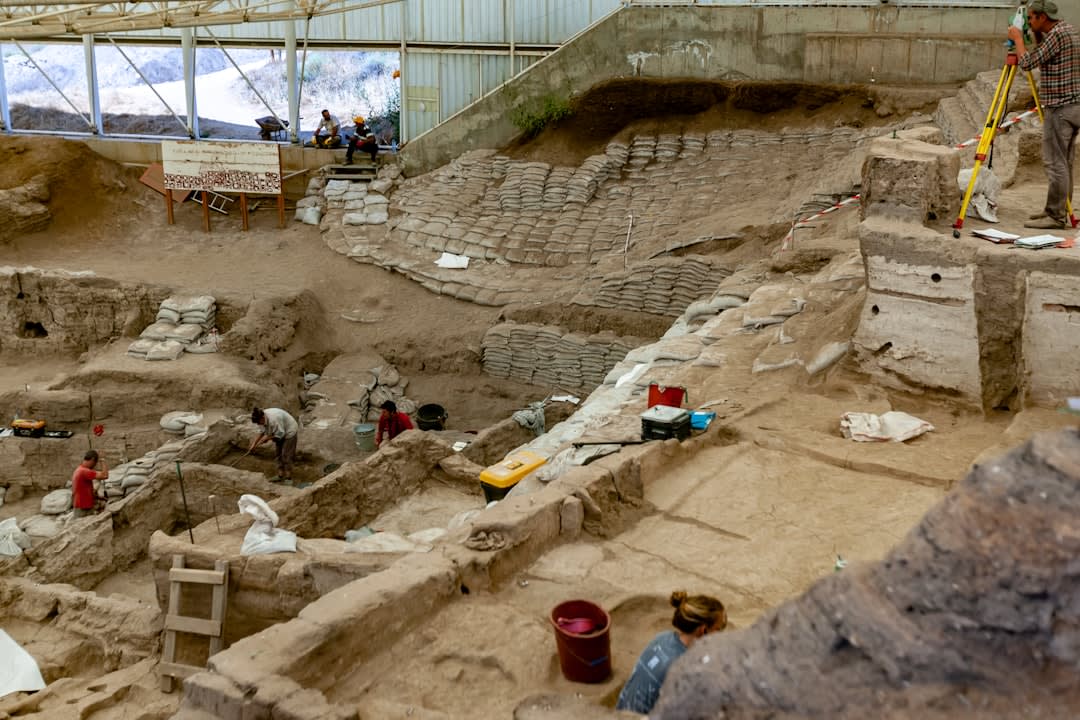
What stayed with me longest wasn’t a specific ruin but the view from the cliff edge at dusk — the Tigris catching the last orange light, fishermen’s boats small and slow on the water, and the sense that this river has been watched from this exact spot, by this exact civilization’s kings, for longer than most of human history has bothered to keep count.
When to go: October through April, avoiding the brutal heat of the Tigris valley in summer. The site is roughly a two-hour drive south of Mosul; combine it with a visit to the modern town of Sherqat for tea and to arrange a local guide.