Vistalba
"A vine that old isn't just producing wine — it's telling you something about the century it grew through."
The vine trunk was thick as my forearm and twisted like old rope. The bark was dark and cracked, the kind of weathered wood you see on trees in alpine gullies, and yet rising from it were a few thin green canes bearing clusters of Malbec that would, in six weeks, be harvested and sorted and put into a bottle that would sell for more money than most wine drinkers spend on a case. Old-vine Malbec from Vistalba is one of those wines where the rarity is visible in the plant itself: a vine this age — seventy, eighty, perhaps ninety years, depending on who you ask and how charitable the vineyard records are — produces so little fruit that each bottle represents an absurd amount of agricultural effort for a tiny return. The results are worth it.
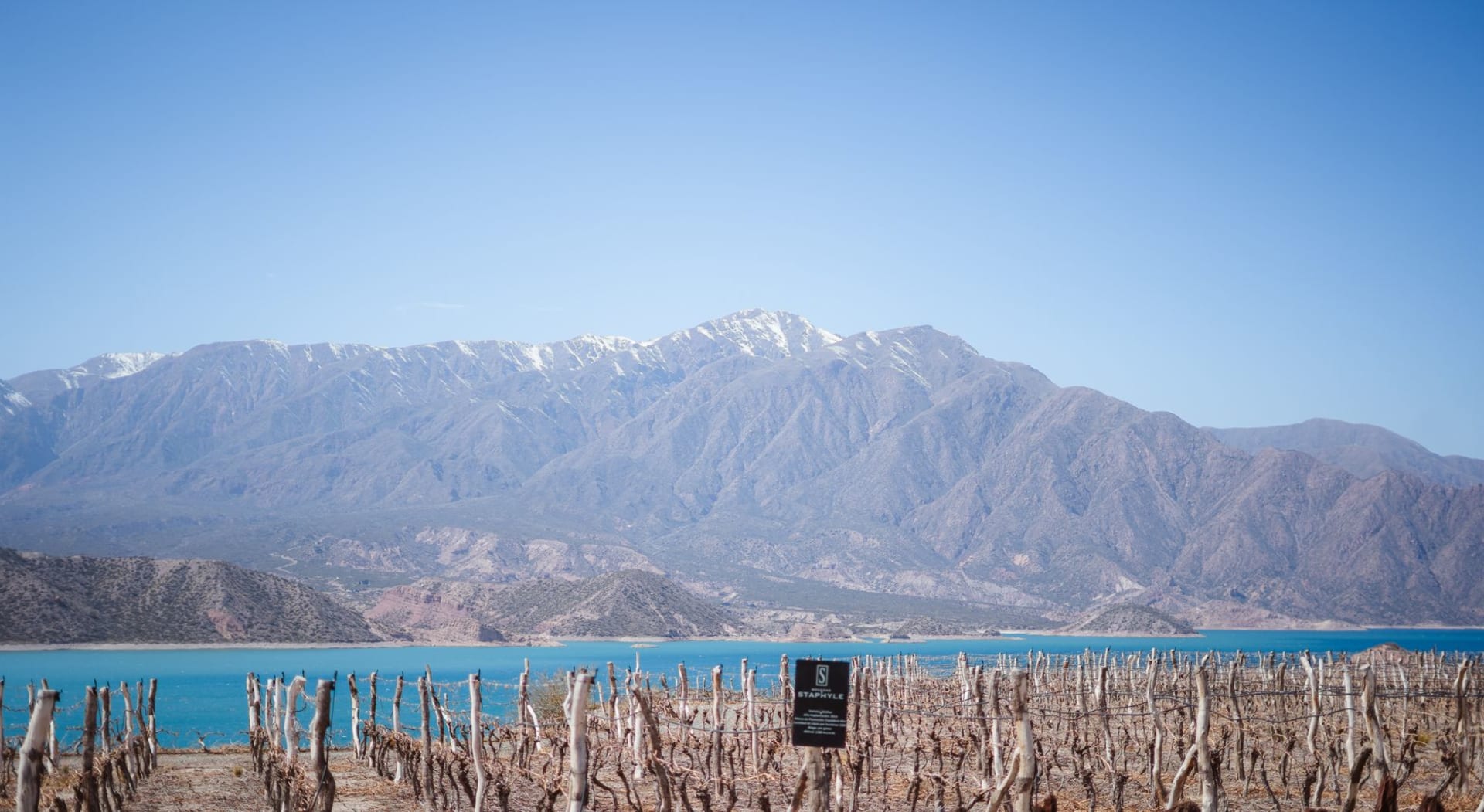
Vistalba is a district of Luján de Cuyo, a small scatter of houses and bodegas and family plots along a road that runs south from the city through increasingly quiet countryside. The soils here are alluvial gravel with volcanic deposits — dark and rocky, warm in the sun, draining fast and forcing root systems down through the substrate in search of water. It is uncomfortable ground for vines, which is why the wines they make here are so interesting. Carlos Pulenta’s winery sits behind a low adobe wall with a hand-painted name on it, and the contrast between that discretion and what’s inside the barrels is the whole point of the place. His Tomero Gran Reserva from the Vistalba parcel is a Malbec that tastes of concentrated dried fruit and volcanic earth and — faintly, persistently — something that I can only describe as cold stone, the mineral signature of this specific soil.
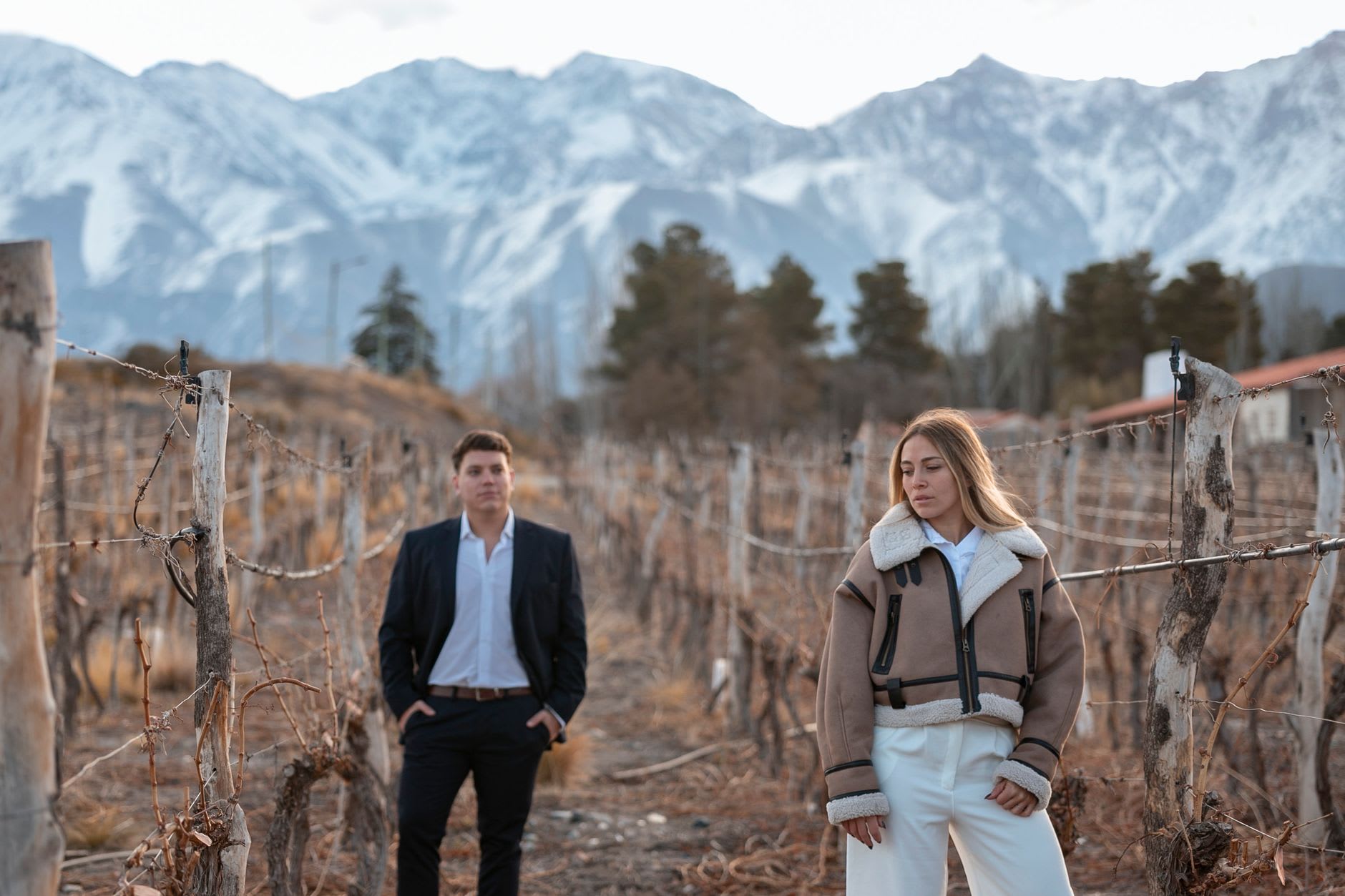
The village pace is agricultural and unhurried. Most of the people here are connected to the vineyards in some way — as workers, as owners of small family plots, as people who inherited a quarter-hectare from a grandfather and tend it on weekends because you don’t sell the grandfather’s vines. I had lunch at a pulpería where the daily special was a lamb stew served with a mountain of bread and a carafe of local Bonarda poured from a plastic container that had been refilled from a larger container behind the counter. The Bonarda was cold and rough and tasted of dark berries and a little tannin, and it went perfectly with the lamb. This is not the wine tourism Mendoza sells in its visitor centres. It is considerably better.

Achaval Ferrer — whose vineyards include some of the most celebrated old-vine parcels in Luján de Cuyo, notably the Finca Bella Vista in Vistalba — has one of the cleaner tasting room experiences in the area: serious, informative, and honest about the wine in a way that doesn’t require theatrical props. Their single-vineyard Malbecs, made without new oak to let the fruit and soil do the talking, are among the most genuinely terroir-expressive wines I’ve tasted anywhere. I walked out with more bottles than I could comfortably carry on the bus back to the city, which tells you everything you need to know about the afternoon.
When to go: March through April for harvest season, when the old vines are at their most visually spectacular — heavy with clusters, dark with ripe fruit. October and November to see the new growth emerging after winter pruning, the pale green against dark trunks. Most small bodegas in Vistalba don’t keep formal hours; call ahead or simply knock.