Americas
Mendoza Wine Country
"No wine tastes like this anywhere else — the mountains see to that."
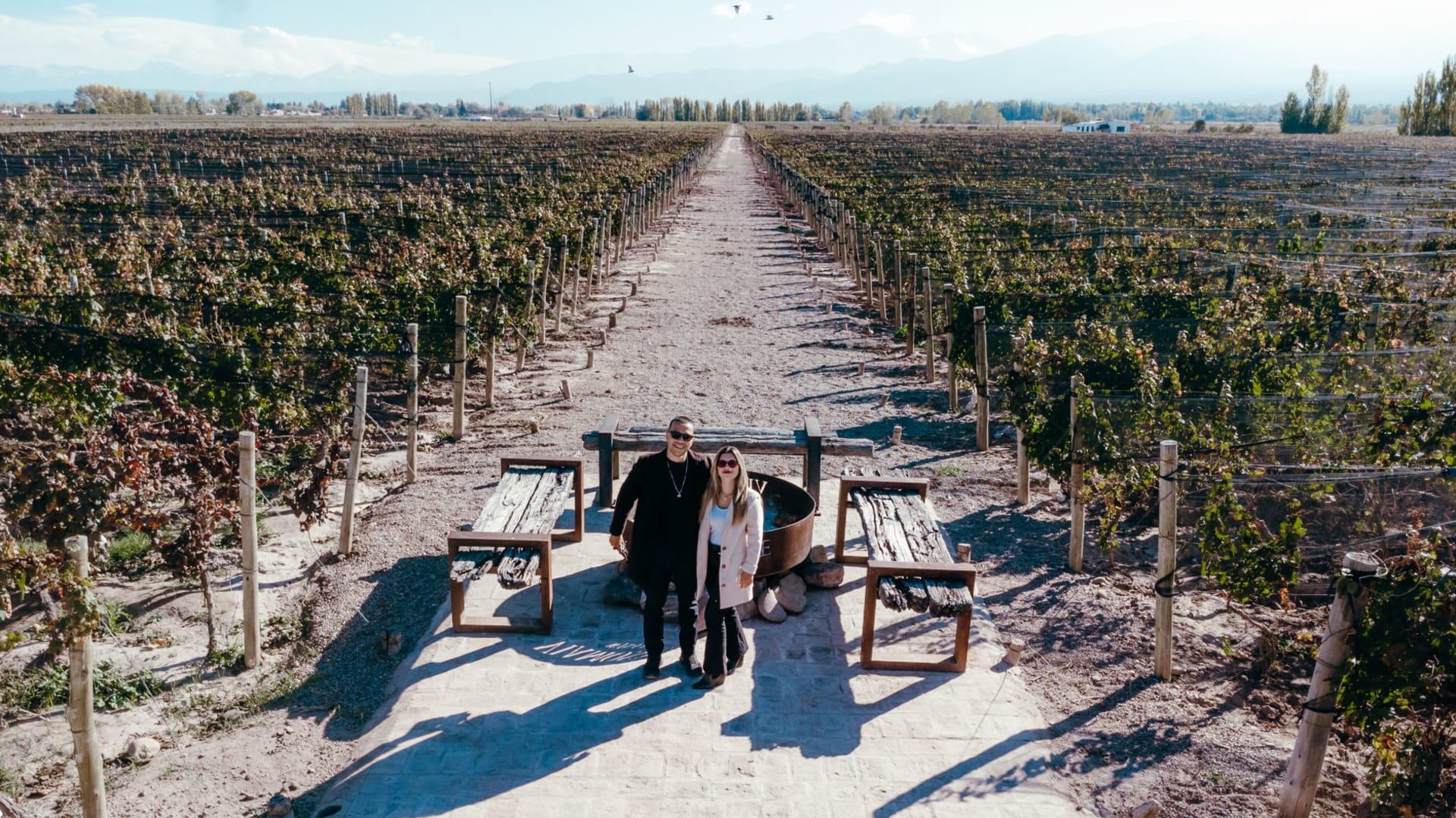
I arrived in Mendoza in March, at the tail end of harvest, when the vines still smelled of crushed grapes and the sorting tables at every bodega were stained purple. The city itself surprised me — a low-slung, tree-lined grid of cafés and restaurants that moves at a pace you don’t expect from a wine capital. Buenos Aires gets the glamour. Mendoza gets the life. People eat at ten, drink slowly, and nobody is performing sophistication at anyone. It is refreshingly unimpressed with itself.
The wines are the reason you come, but the how of them is what stays with you. Mendoza’s vineyards sit at elevations between 600 and 1,500 metres — higher than almost any other major wine region in the world. The altitude means intense sun and cold nights, a thermal range that locks flavour into the grape with a concentration that lower-elevation growing can’t replicate. The Malbec here — Argentina’s adopted grape, a refugee from Cahors in southwestern France where it never quite found its footing — has found its true home in the thin air of the pre-Andes. The best examples from Luján de Cuyo and the Uco Valley are dark and structured and smell of crushed violets and dried plums, with a mineral thread that comes directly from the volcanic soils. Cheval des Andes, Clos de los Siete, Achaval Ferrer, Zuccardi — these are names that belong in any serious conversation about world wine.
What you don’t read enough about is the food. Mendoza eats the way a wine region should: simply, confidently, and seasonally. A chivito asado — kid goat slow-roasted over wood coals — paired with a Bonarda from a small family bodega in Maipú is one of the great meals I’ve had in South America. The olive oil is exceptional; the empanadas are stuffed with beef braised in local wine; and the almonds, walnuts, and stone fruits grown in the same irrigated desert as the vines are sold from wooden crates at the Mercado Central for next to nothing. It is a place that rewards eating like a local rather than dining like a tourist.
When to go: March and April for harvest season, when the bodegas are active and the valley is at its most alive. October and November bring the vines back to green after winter pruning. July is cold and quiet — not unpleasant if you want the wineries to yourself — but the mountain roads into the Andes can close with snow.
What most guides get wrong: They route you only through the big, well-marketed bodegas. Mendoza’s real character lives in the family-run operations of Maipú and the high-altitude plots of the Uco Valley — places like La Azul or Clos de los Siete that don’t spend money on tourism infrastructure because they don’t need to. Rent a bicycle in Maipú, follow the irrigation canals, and knock on doors. The best glass of Malbec I ever drank cost me two dollars and was poured by the winemaker’s grandmother.