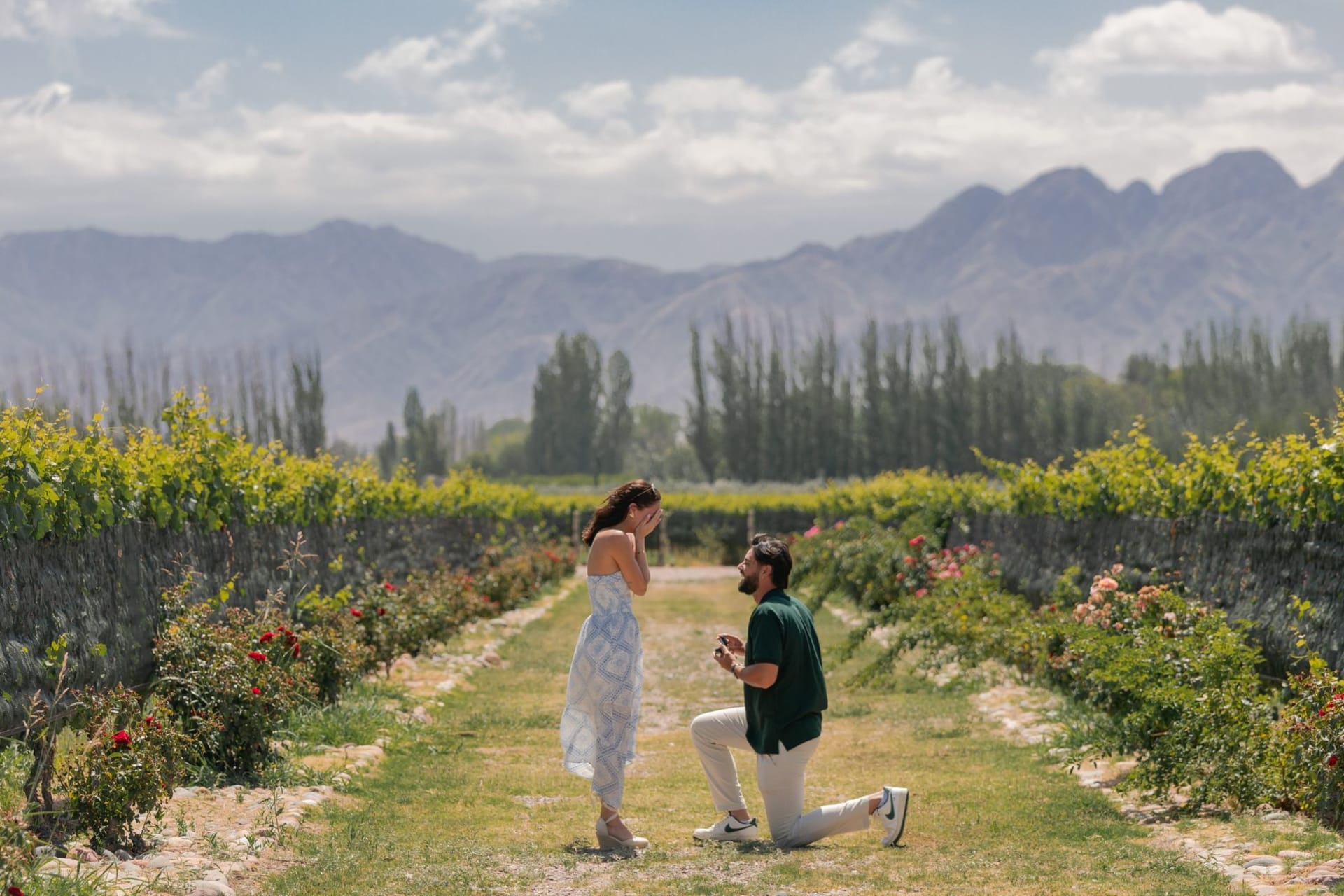
Tupungato
"At 1,400 metres you don't grow wine — you coax it, argue with it, and eventually let the altitude decide."
The frost came on a February night, which was not supposed to happen in summer. I woke up in the small hours to a sound I couldn’t identify — a kind of dry crackling that turned out, when I went to the window, to be the thin crust of ice forming on the puddles in the road. In Tupungato, even midsummer nights can drop to two or three degrees. By morning the frost had burned off and the temperature was climbing toward thirty-five in the sun, and the vines in the plots above town were vibrating in the thermal range that makes this sub-zone of the Uco Valley one of the most demanding and most interesting places to grow grapes anywhere in South America.
Tupungato sits in the northern section of the Valle de Uco, running up toward altitudes of 1,400 and 1,500 metres where the air is noticeably thinner and the Andean peaks feel closer than they are. The volcano that gives the district its name — Tupungato, 6,570 metres, one of the highest in the Americas — dominates the western horizon with an authority that is difficult to describe without sounding melodramatic. Standing in a vineyard at this altitude with that mountain behind the vines is one of those moments where wine stops being a product and starts being an argument about place. The grapes can’t grow anywhere else on earth and look like this at the same time. The connection is direct.
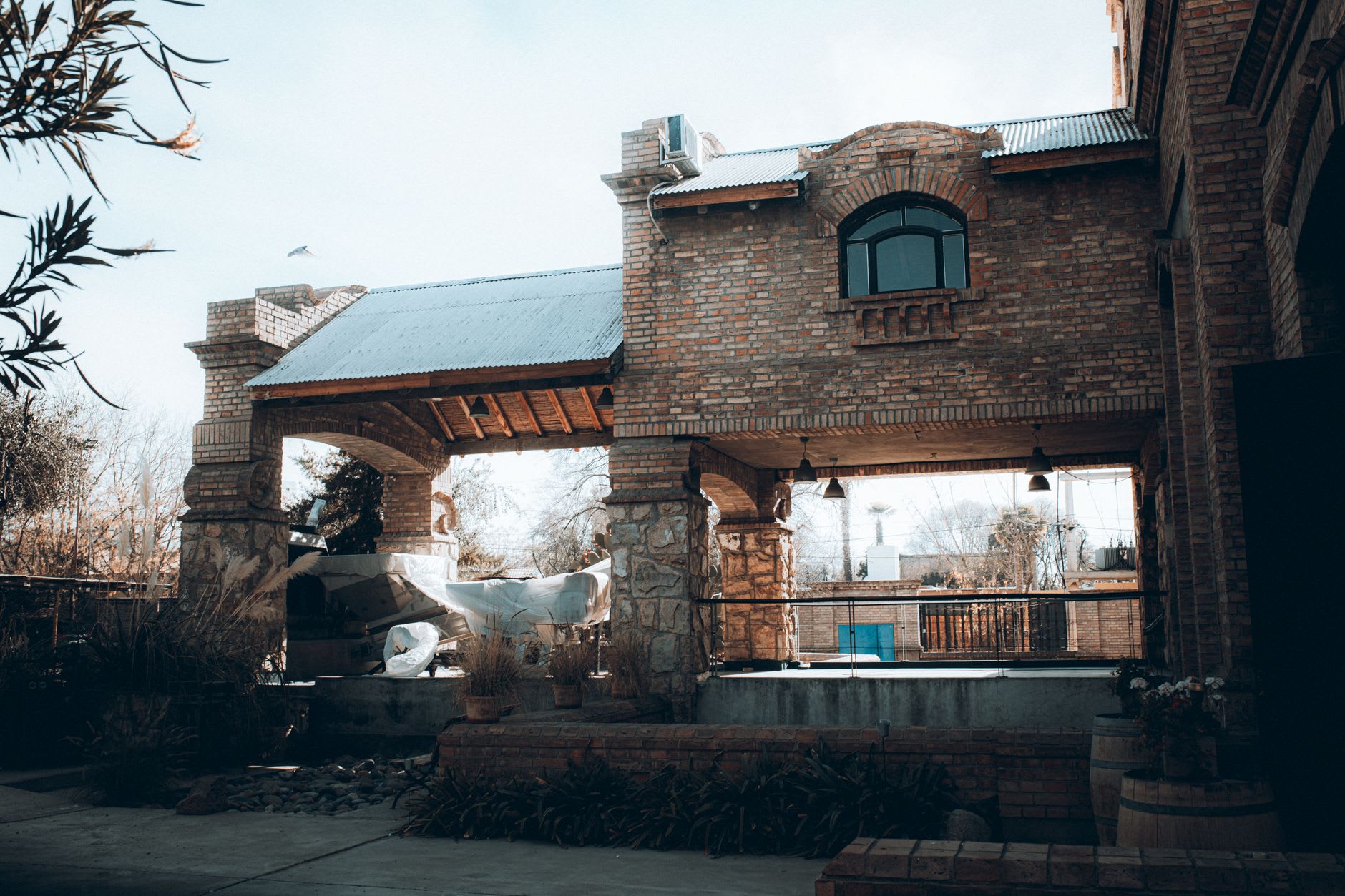
The winemaking here skews toward organic and biodynamic practices — not because it’s fashionable, but because the altitude and extreme thermal range reduce the fungal pressure that plagues lower-elevation vineyards, making chemical intervention genuinely unnecessary. Domaine Bousquet, a family operation established by a French winemaker who tasted a Tupungato Malbec in the late 1990s and moved his family to Argentina within the year, is certified organic across all their vineyards. Their Ameri Organic Malbec — pressed from fruit grown at around 1,200 metres — is the kind of wine that tastes clean in a way that has nothing to do with sweetness: it is bright and precise, with a floral lift that the lower-altitude wines don’t have, and a mineral finish that runs long and cool like the nights up here.
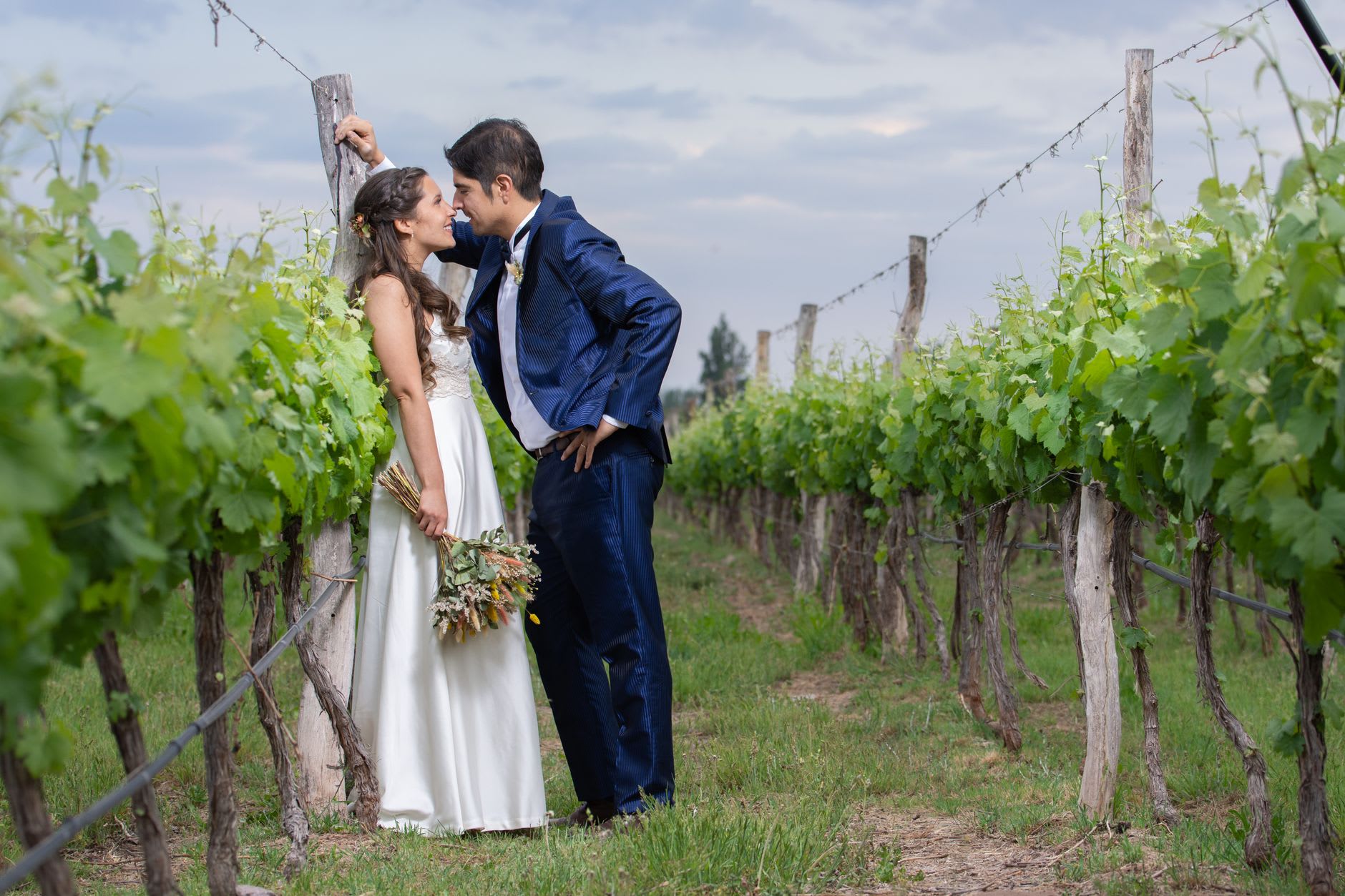
The town of Tupungato is functional and unpretentious — a grid of streets with a small market, a couple of restaurants that serve the same rotating menu of milanesas and empanadas and parrilla cuts, and a hardware store that doubles as a general conversation point for the agricultural community. It is not a place that performs wine tourism; it is a farming town that happens to sit inside one of the world’s most exciting emerging wine zones. I ate lunch at a table behind the petrol station — the only option the woman at the guesthouse could recommend — and the churrasco with chimichurri was one of the better versions I’d had in Argentina. She told me the restaurant’s owner uses the cooking fat from the beef to waterproof his work boots. This information improved the chimichurri somehow.
When to go: April is ideal — the harvest is underway or just finishing, the temperature swings are at their most dramatic, and the Andes are sharply clear before winter cloud builds. October through November for spring growth and the most accessible roads. Mountain weather moves fast at this altitude; carry a warm layer in any season.